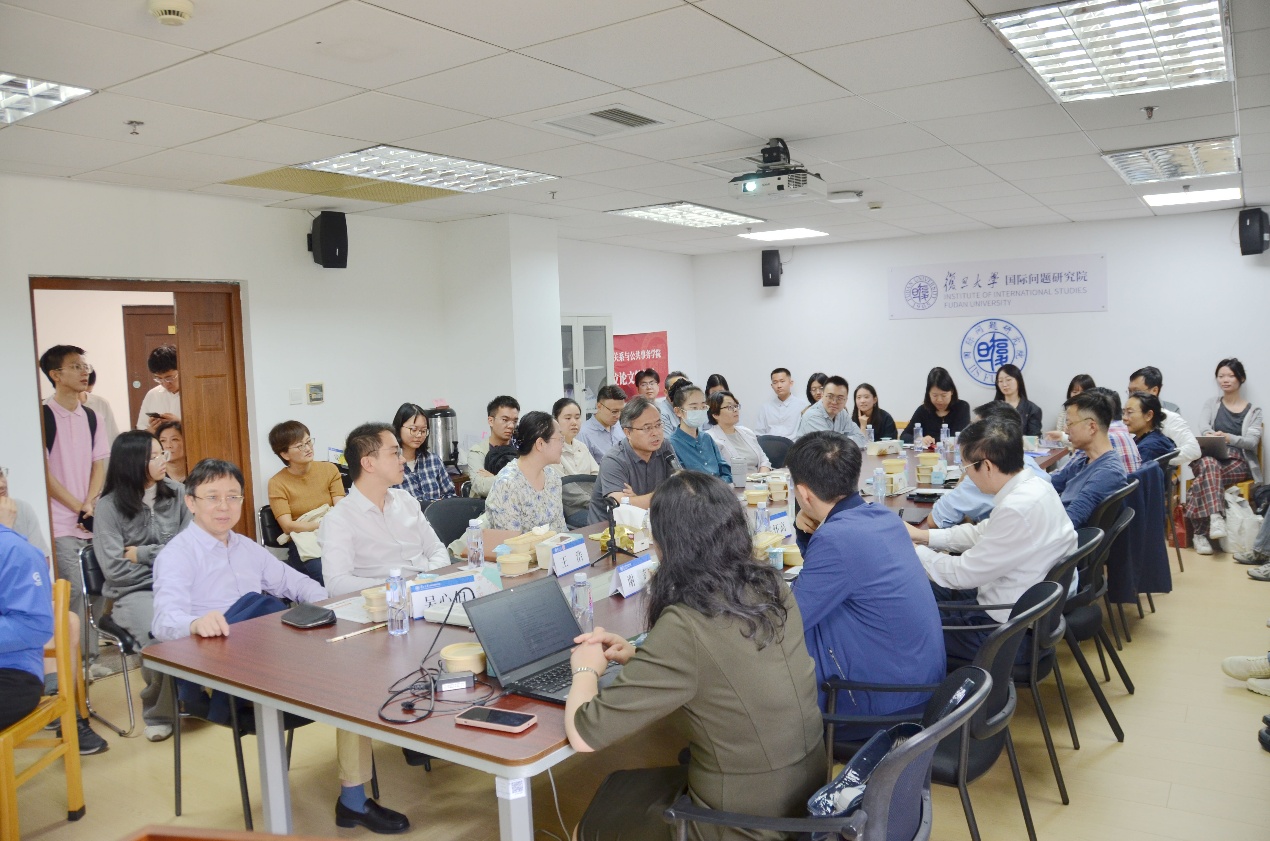
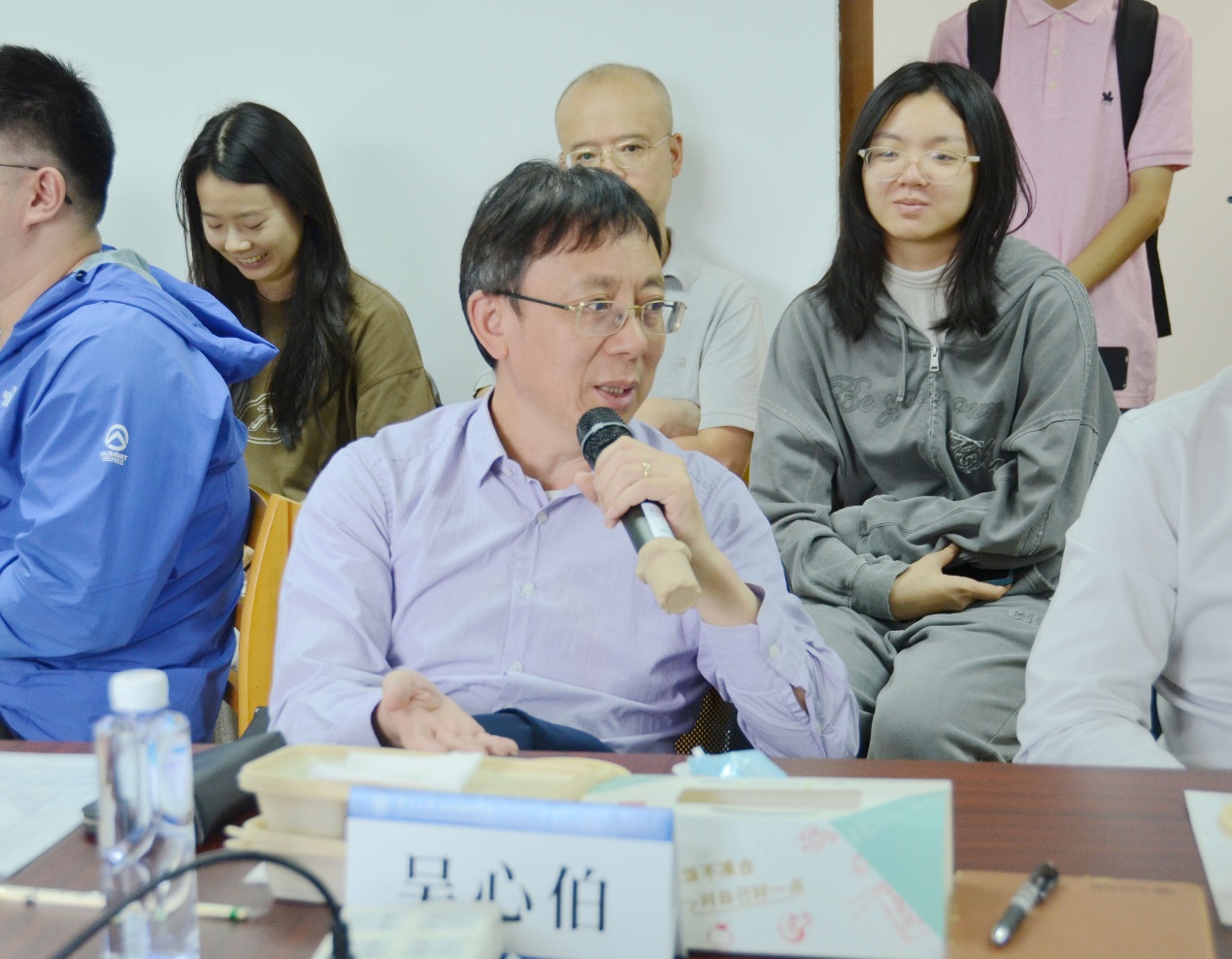
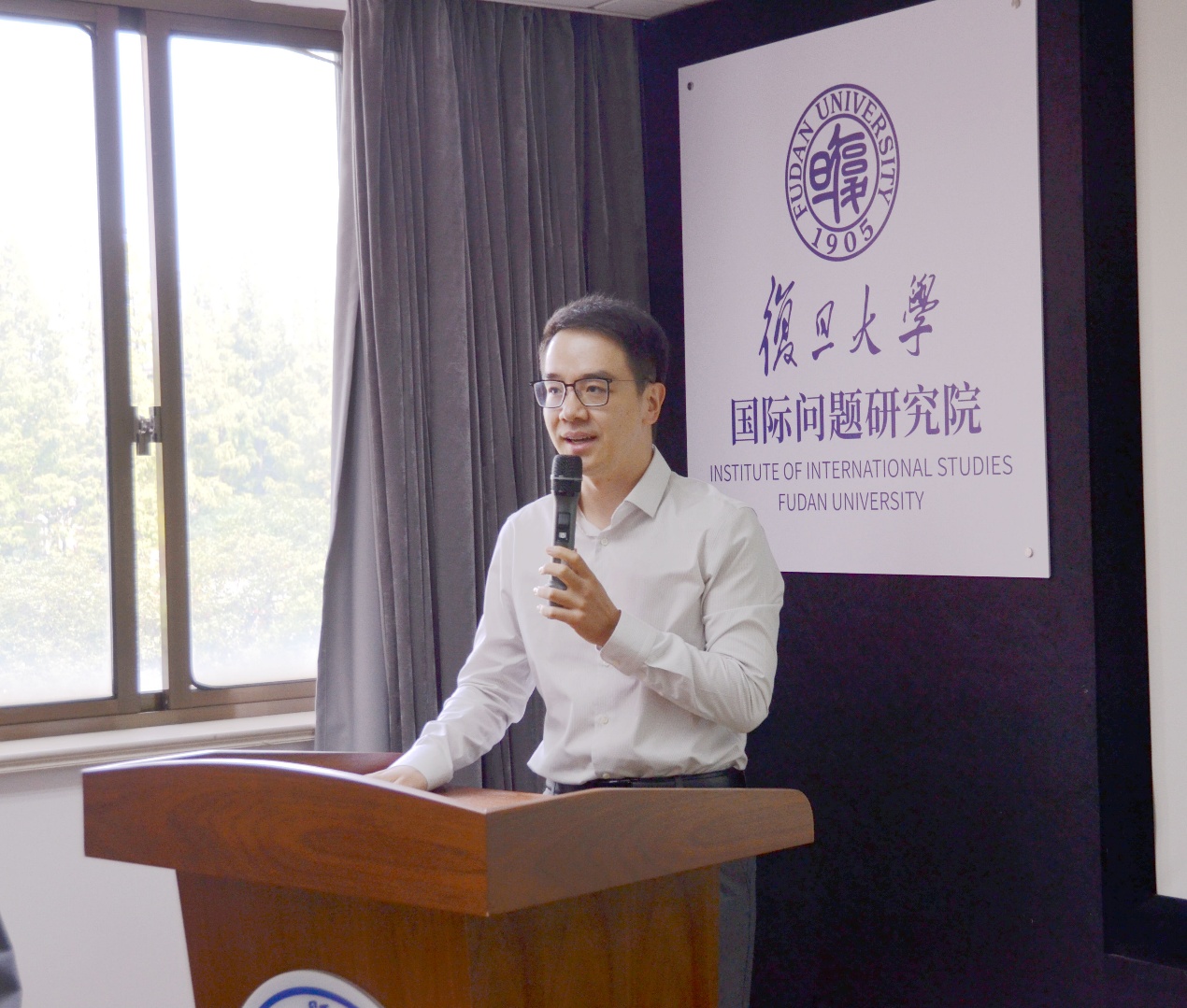
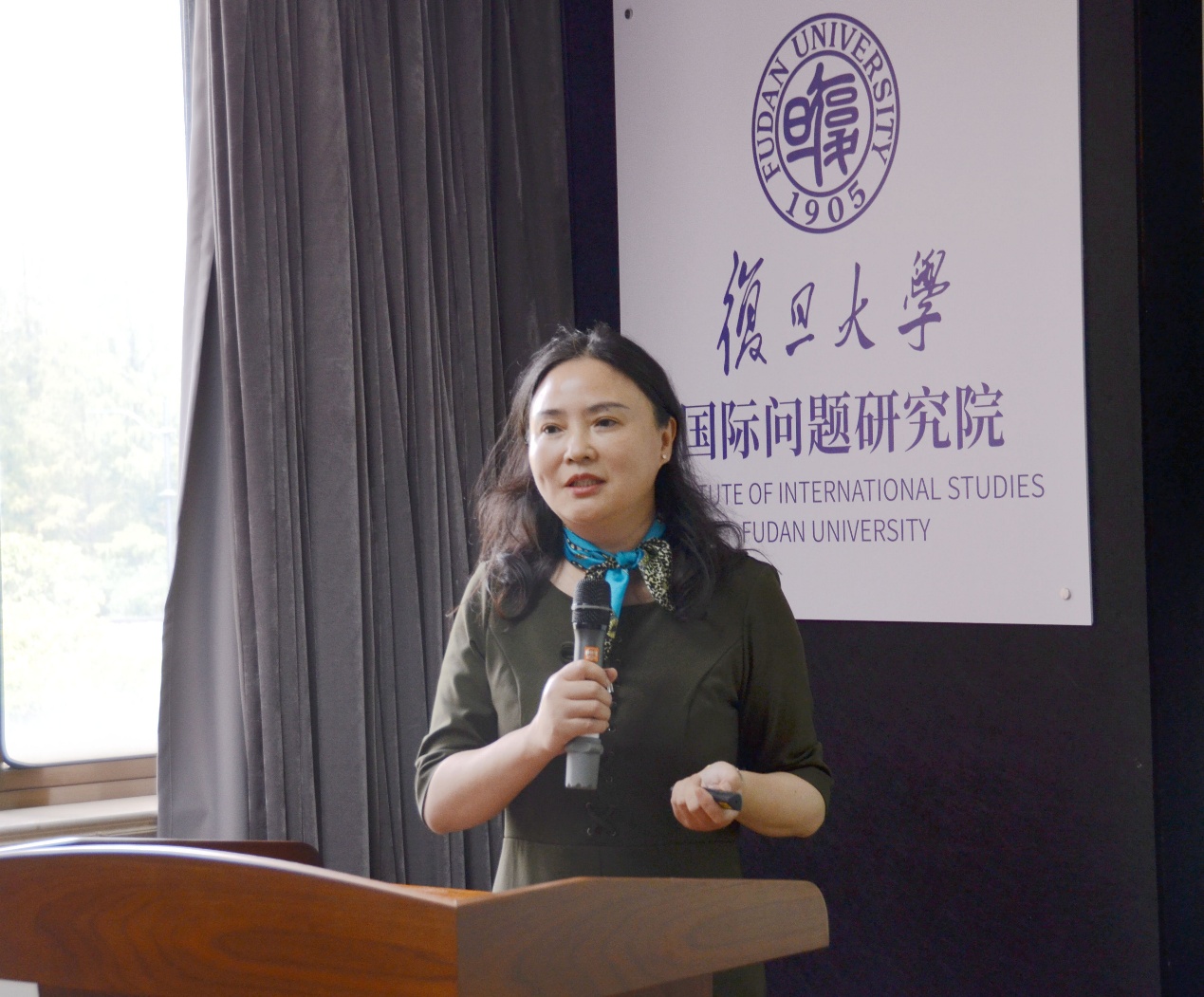
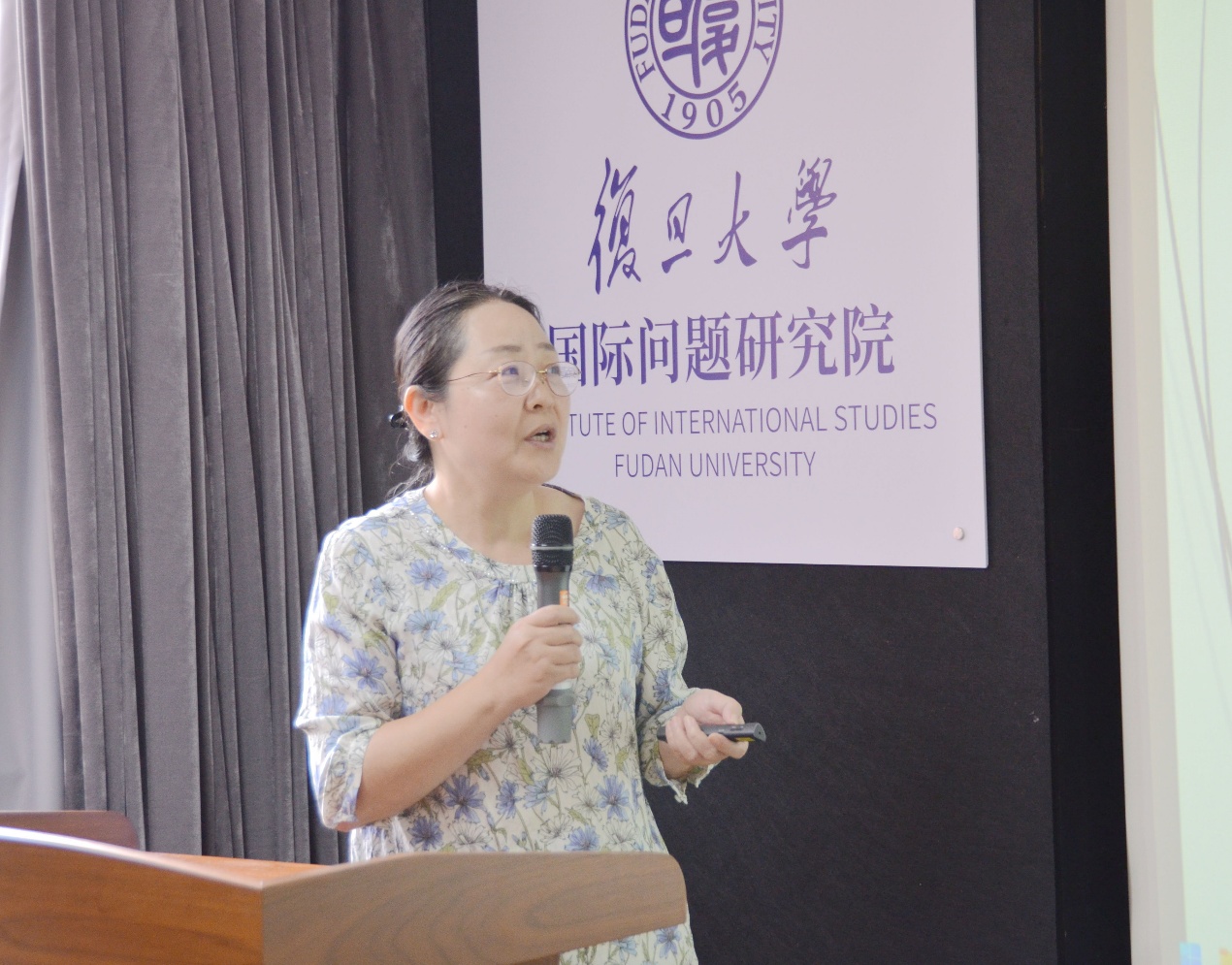
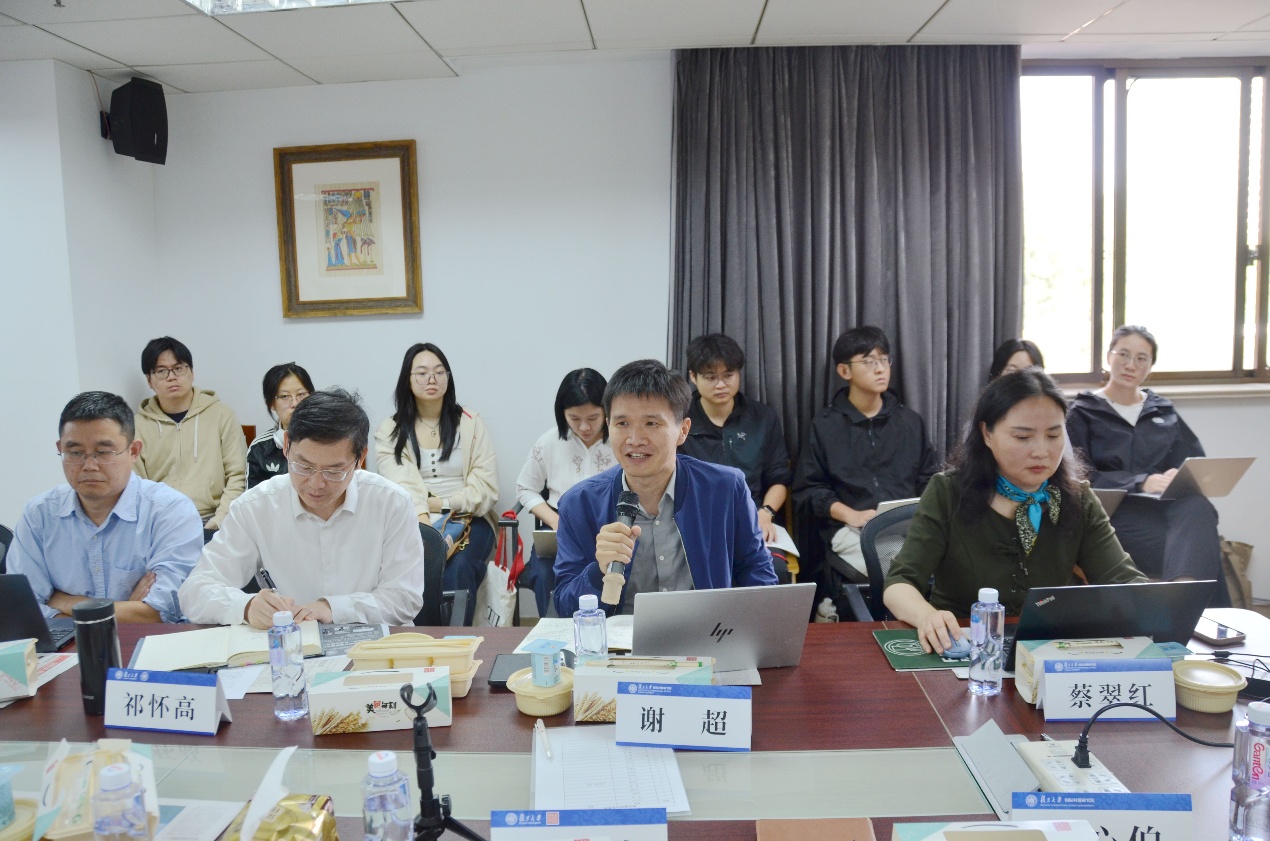
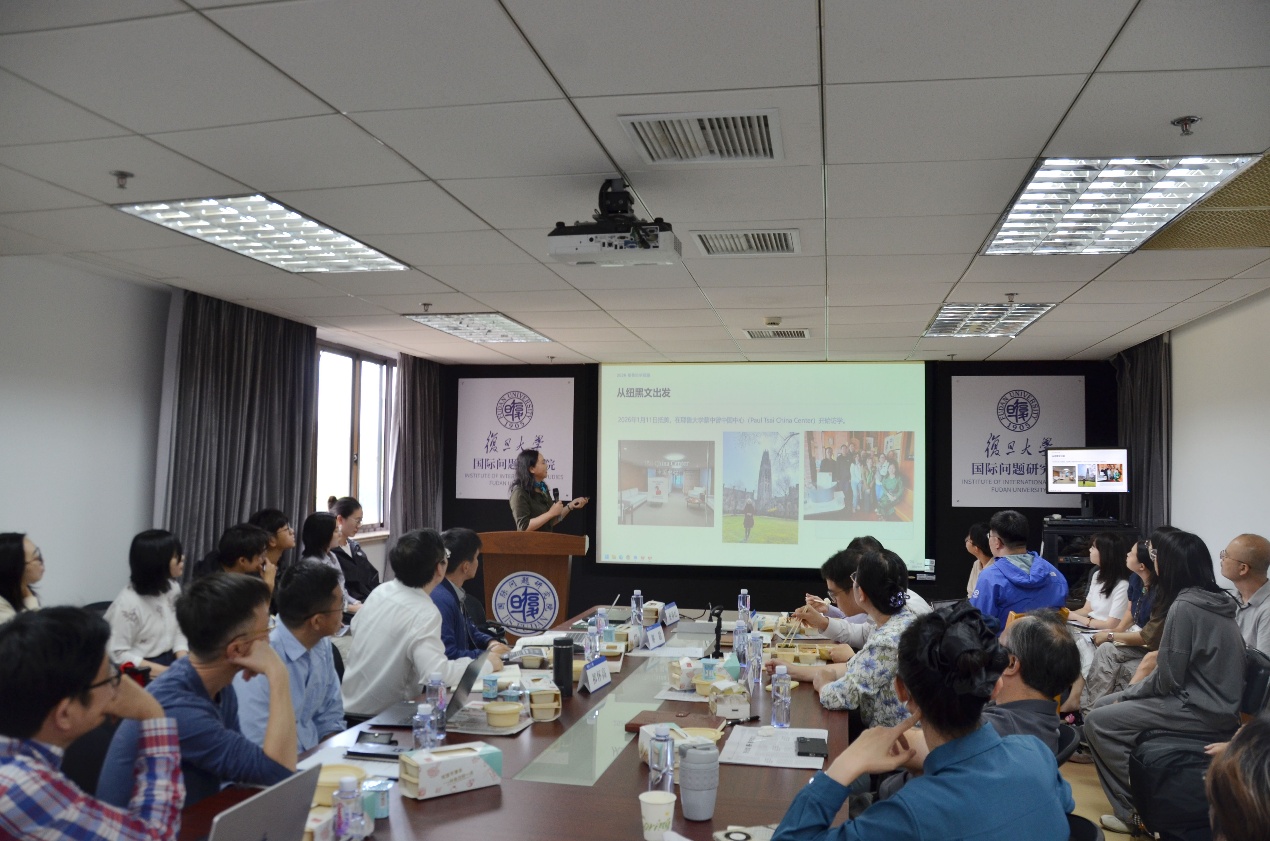
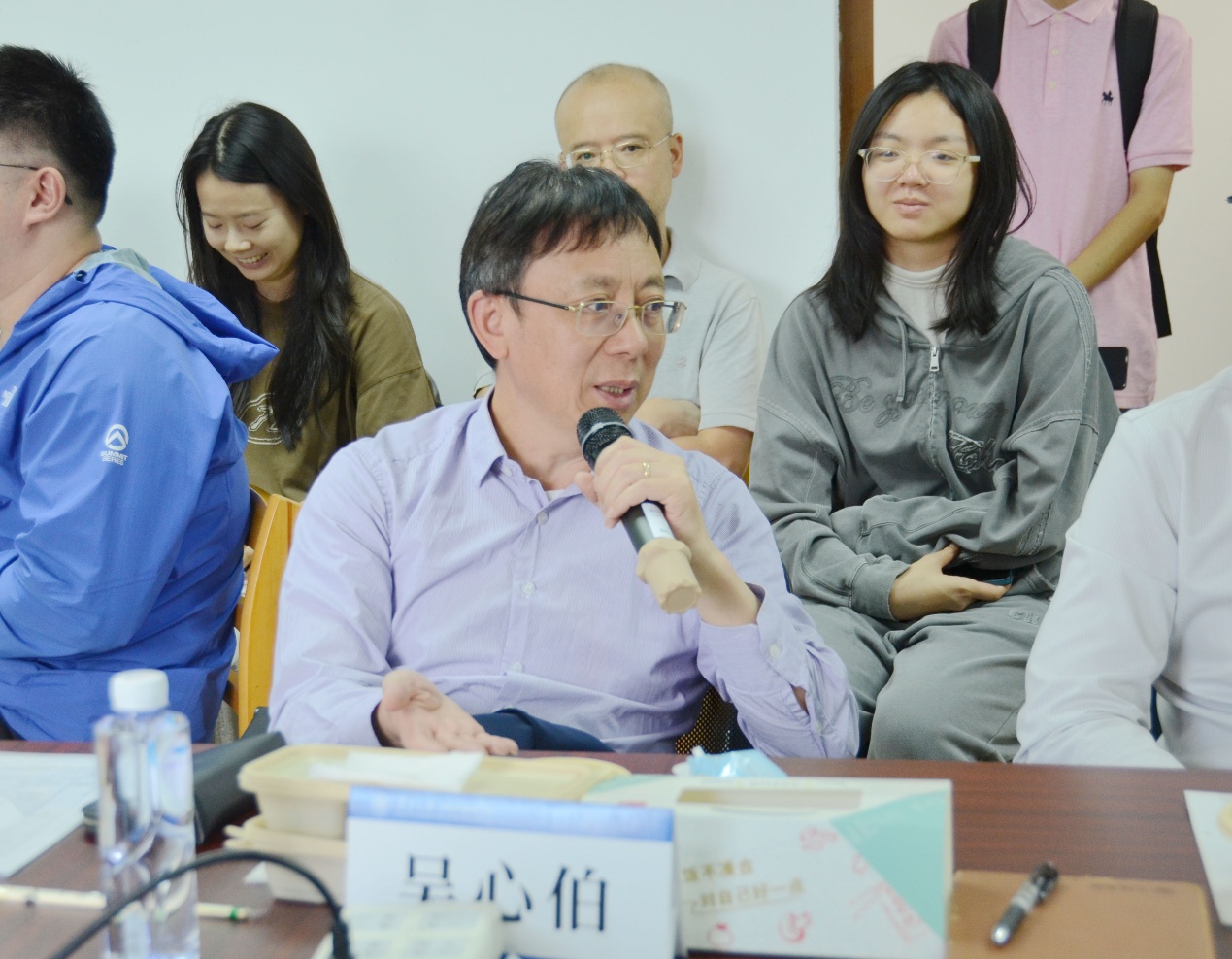
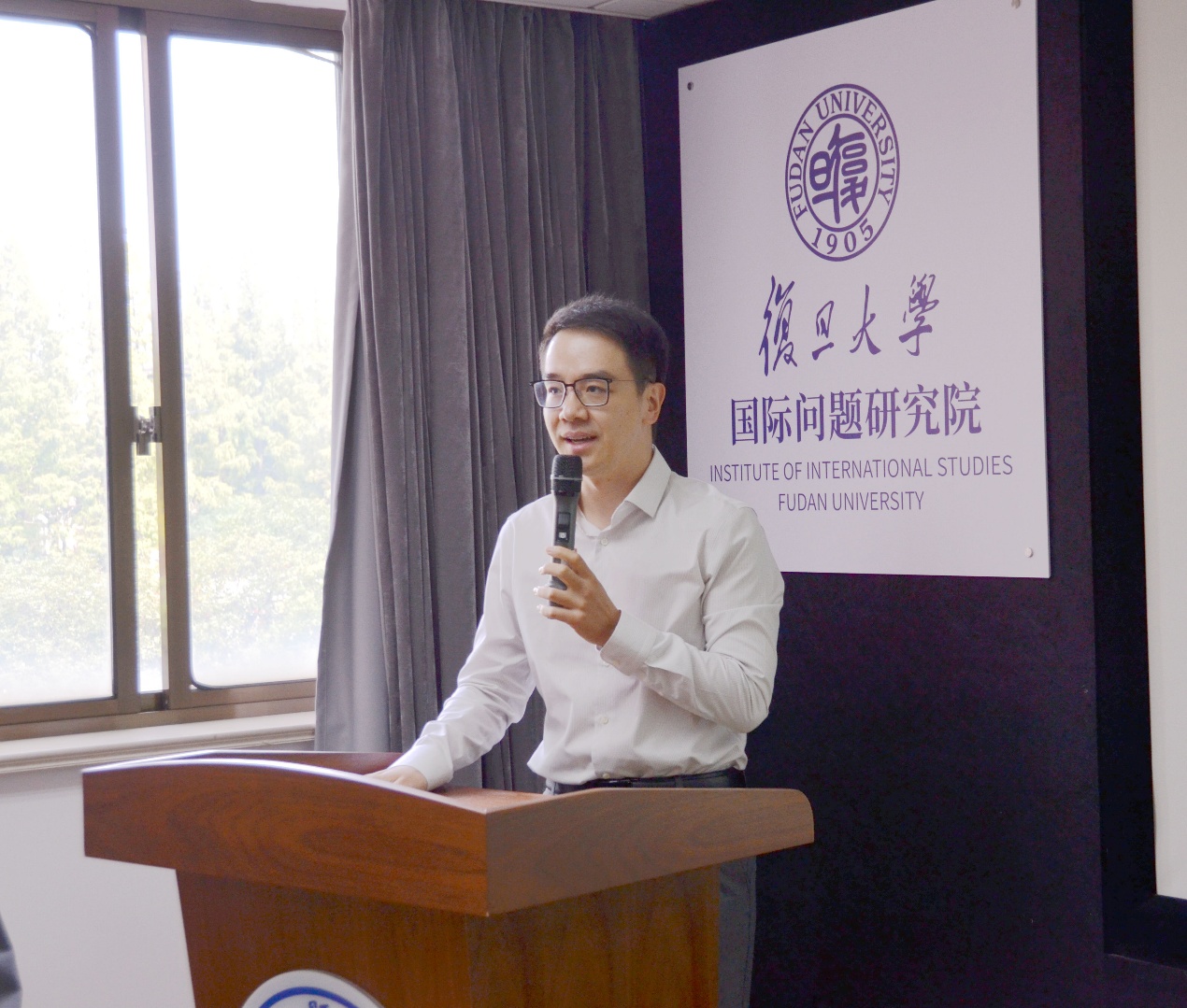
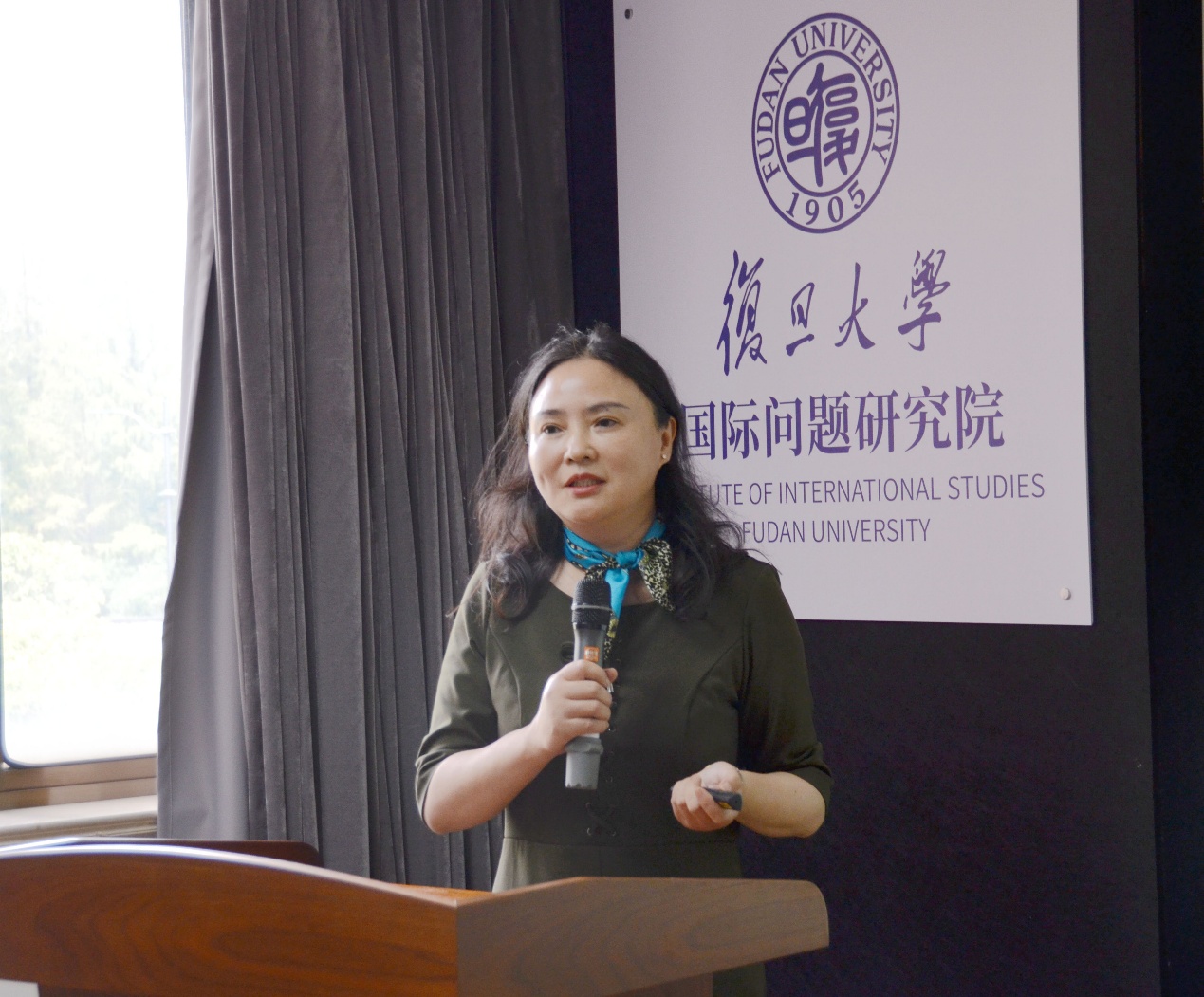
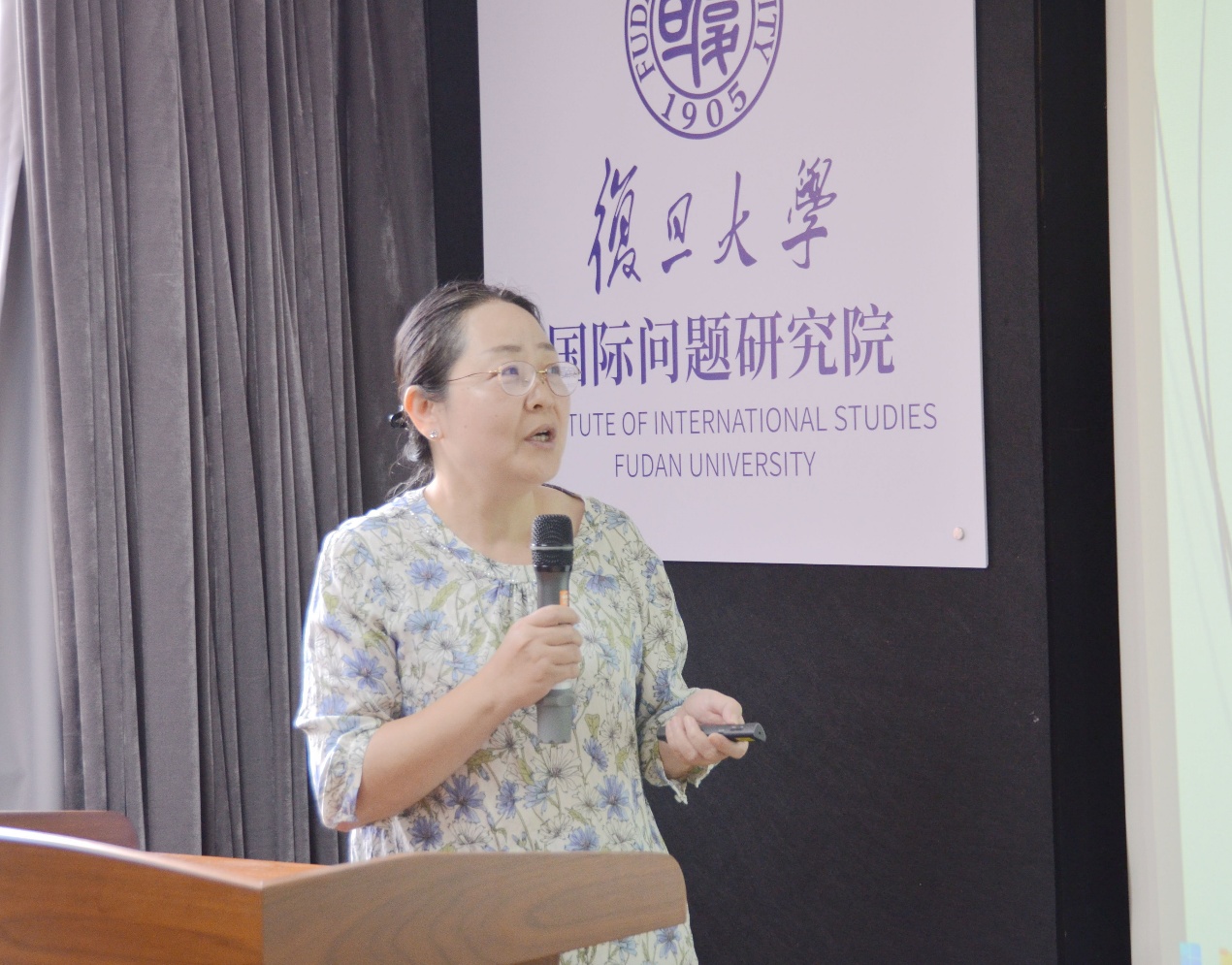
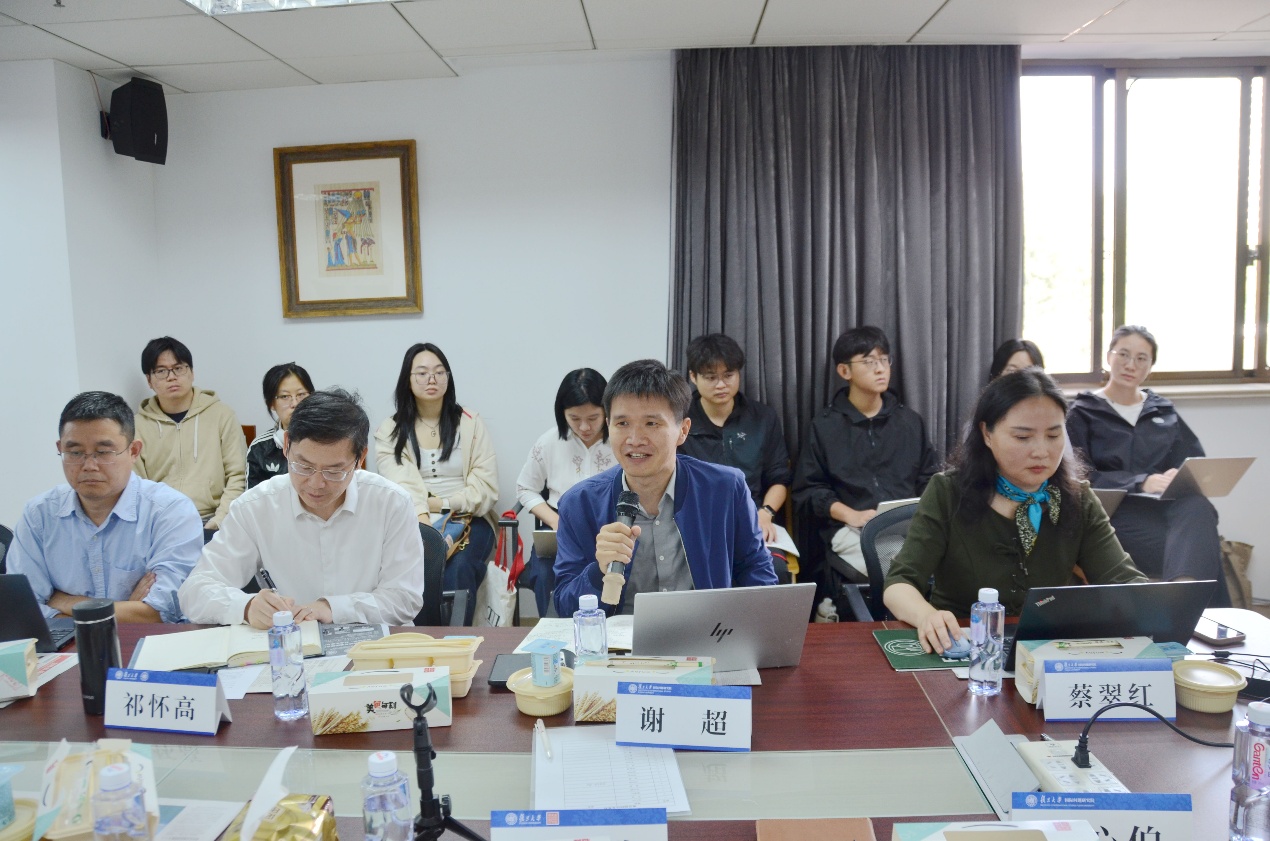
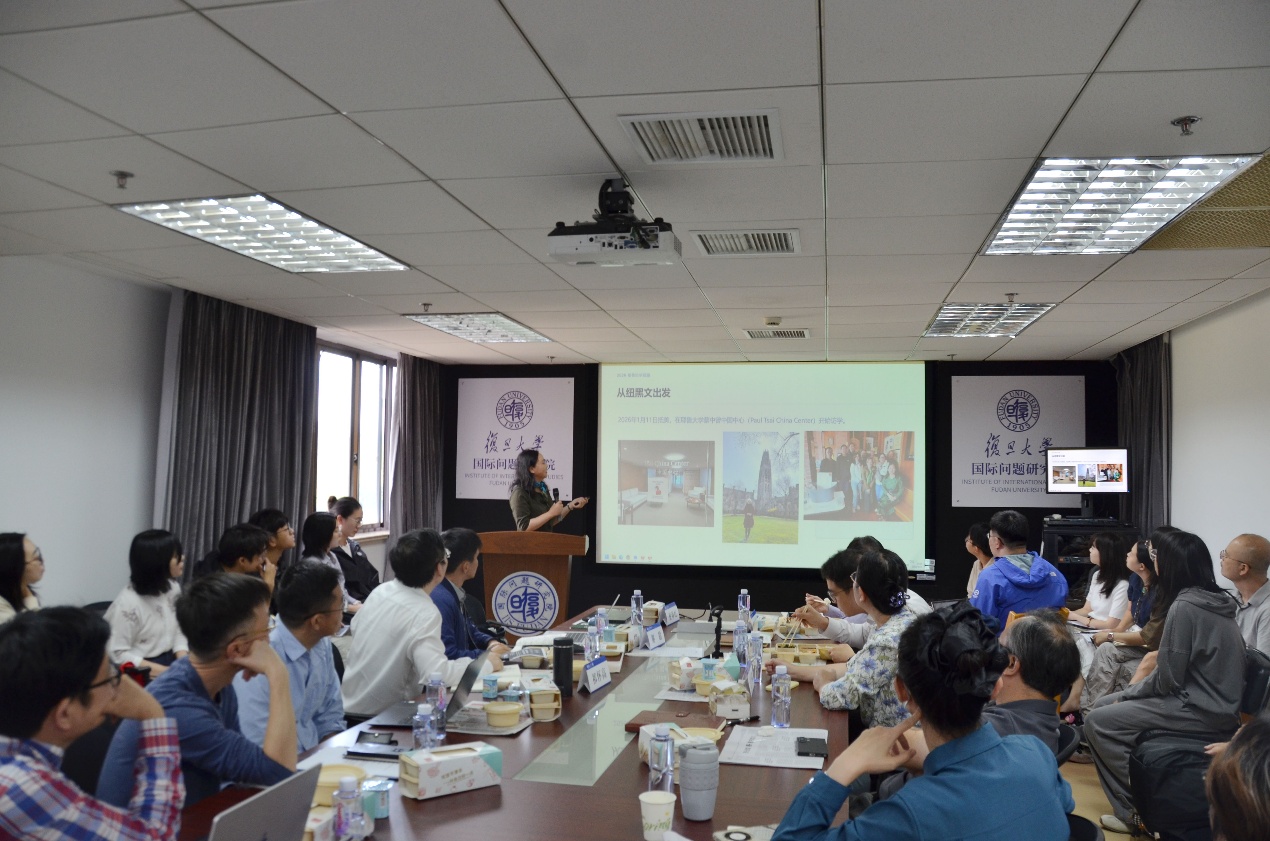
At noon on October 9, 2026, the Institute of International Studies at Fudan University (IIS Fudan) held the 100th session of its Youth Academic Workshop on International Studies (YAWIS Fudan) in Conference Room 324 of the Humanities Building. The session, entitled ‘Field Research in the U.S. and American Studies: Political Transformation, Social Ecology, and China-U.S. Relations,’ featured presentations by Professors Wang Hao and Cai Cuihong and Associate Professors Tu Yichao and Xie Chao of IIS Fudan. Dean Wu Xinbo attended the event, which was chaired by Vice Dean Qi Huaigao. More than 50 faculty members and students from IIS Fudan, the School of International Relations and Public Affairs, and other schools and departments at Fudan attended. (Photo 1: The 100th session of YAWIS Fudan) Dean Wu Xinbo reviewed the first 100 sessions and outlined his expectations for the series. He identified four contributions that YAWIS Fudan had made since its inaugural session in June 2013: promoting academic exchanges between young scholars at IIS Fudan and their counterparts at institutions in China and abroad; encouraging new scholarly perspectives and ideas; providing a platform for the publication of research in international studies and area studies; and helping young scholars build networks for exchange in academic research and policy consultation. Building on these 100 sessions, Wu expressed three hopes for the future. He encouraged faculty members to continue sharing observations and reflections from fieldwork in the countries they study, called on faculty and students to take an active part in the discussions and exchanges, and hoped that selected sessions would also involve the institute’s graduate students in area studies. (Photo 2: Dean Wu Xinbo speaks at the 100th session of YAWIS Fudan) Professor Wang Hao reviewed his principal activities in the U.S. over the past two years and shared his observations and reflections on the transformation of American politics. As the Chinese Director of the Fudan-UC Center on Contemporary China, he managed the center’s day-to-day administration and academic activities and promoted academic exchanges between China and the U.S. He also conducted extensive fieldwork across the U.S., deepening his research on the U.S.from an area studies perspective. Wang argued that American politics is undergoing a major transformation whose underlying logic extends beyond the Trump phenomenon, right-wing populism, and political polarization to “bringing the state back in.” Over the past half-century, market logic, limited government, and globalization have shaped the workings of American politics, producing governance challenges characterized by the hollowing out of industry, institutional gridlock, and fragmented values. Against this backdrop, the Republican Party is shifting from market conservatism to national conservatism, emphasizing an active role for the nation-state as a political community, an organizer of economic activity, a force for social integration, and a guardian of strategic interests. Meanwhile, the Democratic Party is reassessing the Third Way and developing a form of state-capacity liberalism that seeks to address contemporary challenges by strengthening governance capacity, industrial competitiveness, and the capacity for public investment. The emergence of these two conceptions of the state suggests that the central question in American politics has shifted from ‘big government or small government’ to ‘what the state can do and what purposes it should serve.’ This transformation will reshape the American political landscape and the country’s future development, while also profoundly affecting the logic, forms, and trajectory of strategic competition between China and the U.S. Drawing on her time as a visiting scholar at Yale University, Professor Cai Cuihong discussed the outcomes of her academic exchanges and her observations and reflections on China-U.S. relations. She described a wide range of activities during her visit, including giving two public lectures at Yale, speaking at the Jimmy Carter Forum on U.S.-China Relations 2026 in Atlanta, visiting several major think tanks in Washington, D.C., and New York for in-depth discussions with American specialists on China, visiting Harvard University’s Fairbank Center for Chinese Studies, and delivering a lecture at Pomona College in California. She also shared experiences of campus life at Yale and American society and culture, as well as her work coordinating the donation of two Chinese artworks to the Yale University Art Gallery and receiving research materials on American studies. Based on her exchanges with American scholars, Cai examined differences in perceptions of China between US policy elites and the wider public, the tension between the narrative of strategic competition and limited understanding of China in practice, and the risks of strategic miscalculation arising from misperceptions and insufficient communication. Referring to the two reciprocal visits by the Chinese and the U.S. heads of state in 2026, she stressed the importance of advancing constructive strategic stability between the two countries. She cautioned, however, that the current stability in bilateral relations remains conditional and fragile and needs to be reinforced through sustained dialogue, crisis management, and institutional mechanisms. She emphasized that research on China-U.S. relations must address the structural logic of major-power competition while also recognizing the long-term value of firsthand observation, understanding social perceptions, and people-to-people exchanges. Associate Professor Tu Yichao shared findings and reflections from her field interviews on religion in four locations in the U.S. In January and February 2026, she conducted interviews in Atlanta, San Diego, the San Francisco Bay Area, and Charlotte to explore recent religious developments in these locations. Atlanta and Charlotte are both in the Bible Belt. Atlanta is an important center of African American Protestant traditions and the religious heritage of the civil rights movement, with a highly developed network of nondenominational megachurches. Charlotte, known as the “City of Churches,” has a strong evangelical foundation. As the financial and high-tech industries attract large numbers of newcomers from elsewhere in the U.S. and abroad, both locations have seen rapid growth in Catholicism, driven largely by Latino communities, and in Asian religious communities. In California, the San Francisco Bay Area and San Diego have some of the U.S.’s highest proportions of religiously unaffiliated residents, yet many kinds of places of worship continue to thrive. Although the Bay Area is broadly liberal in its political and cultural outlook and highly secularized, evangelical churches are numerous, well organized, and strongly cohesive within particular communities and ethnic groups. Protestant churches serving diverse ethnic communities are deeply rooted locally, while Muslim, Jewish, Buddhist, Hindu, Sikh, Jain, and Zoroastrian places of worship maintain stable operations and actively participate in community affairs. Asian immigration has contributed to the growth of diverse faiths, including Islam, Buddhism, and Hinduism, while combinations of technological rationality and new forms of spirituality are also prevalent. In San Diego, proximity to the US-Mexico border and deep historical roots have sustained a large Catholic presence and a substantial Hispanic religious community, alongside several active charismatic megachurches. All four locations reflect broader religious transformations across the U.S.: the gradual contraction of traditional denominational churches, the rise of independent nondenominational churches, and the continued diversification of religious life through immigration. Religious organizations actively participate in collaborative governance and generally have the capacity to engage internationally. Associate Professor Xie Chao examined changes at Harvard’s campus environment as a case study for area studies. He observed that relations between universities such as Harvard and the Trump administration had deteriorated in 2025, with continuing disruption to day-to-day teaching and university operations. Harvard had proactively discontinued many diversity, equity, and inclusion (DEI) practices, while departments and research units had also removed content explicitly addressing DEI, race, and gender from their websites and courses. Government budget cuts had further created institutional gridlock in university operations. A number of Harvard departments had reduced doctoral admissions for the new academic year, and the Harvard graduate student union had launched a major strike for better pay and benefits, significantly disrupting teaching. Under these internal and external pressures, Xie noted, Harvard’s campus environment and culture were quietly changing. Many students avoided publicly taking part in civic activities out of concern about possible penalties or consequences for their immigration status, and political expression among ethnic minority students had all but disappeared. Harvard was gradually losing effective channels of communication with government insiders, seriously weakening its ability to influence and shape government policy. Its area studies institutions had become more cautious in discussing foreign affairs, with the experiences of institutions focusing on the Middle East and South Asia particularly illustrative. Harvard had at one point suspended Divinity School courses focusing on Palestine and Israel and ended cooperation with some universities in the Middle East, while some faculty members working on Middle Eastern studies had been forced to leave their positions. Against the backdrop of strained U.S.-India relations, the South Asia Institute had chosen to focus on less politically sensitive domestic issues in India, such as health and environmental protection, while avoiding discussions of U.S.-India relations and international affairs. Vice Dean Qi Huaigao presented statistics on the 100 sessions of YAWIS Fudan. Between June 2013 and October 2026, the series featured 91 individual speakers, with 149 speaking appearances (person-times) in total. These included 38 faculty members from IIS Fudan, accounting for 92 appearances, and 26 international scholars, accounting for 29 appearances. Faculty members from the IIS Fudan shared research based on fieldwork in the countries they study at 11 sessions, making 31 speaking appearances in total. Drawing on their workshop presentations, faculty members have actively published papers in Chinese academic journals, including Shijie Jingji Yu Zhengzhi (World Economics and Politics), and in English-language journals indexed in the Social Sciences Citation Index (SSCI). YAWIS Fudan will continue to develop the series and contribute to international studies and the development of area studies at the IIS Fudan. The 100th YAWIS Fudan brought together findings from the four speakers’ research visits and fieldwork in the U.S. Wang Hao served as Chinese Director of the Fudan-UC Center on Contemporary China at the University of California, San Diego, from September 2024 to July 2026. Cai Cuihong was a visiting scholar at Yale Law School from January to April 2026. Tu Yichao conducted field interviews on religion in four locations in the U.S. from January to February 2026. Xie Chao was a visiting scholar at the Harvard-Yenching Institute from October 2025 to June 2026. (Photo 7: A view of the 100th session of YAWIS Fudan) Download: For more information about YAWIS Fudan, please visit: https://iis.fudan.edu.cn/yawis_fudan/list.htm; https://iis.fudan.edu.cn/en/0b/8f/c41559a199567/page.htm.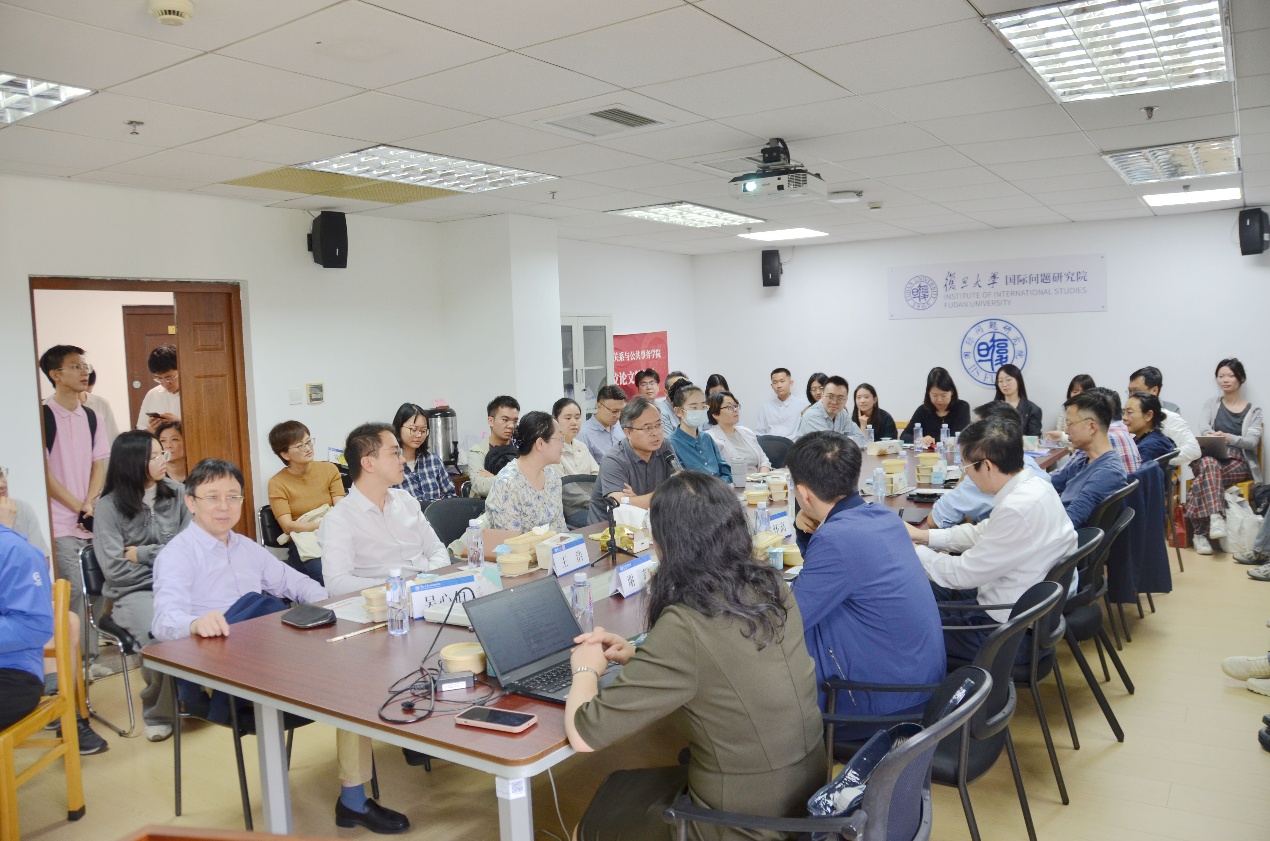
 Work Summary and Poster Showcase of 100 Workshop Series of YAWIS Fudan.pdf
The 100th YAWIS Fudan Focuses on Field Research in the U.S. and American Studies
发布时间:
2026-10-10
访问次数:
578