rare earth Photo:VCG A spokesperson of the Chinese Ministry of Commerce (MOFCOM) on Thursday reiterated that China's export controls on rare-earth related items are strictly implemented in accordance with laws and regulations, further stressing that all compliant applications for civilian-use exports have been approved in a timely manner. Spokesperson He Yadong made the remarks at a press briefing when asked to comment on a report released on Monday by the European Union Chamber of Commerce in China (EUCCC), which claimed that most surveyed companies had been affected by China's export controls on rare earths, and asked whether an application mechanism for general licensing is being discussed. The EUCCC conducted the survey from November 6 to 24 among all of its member companies, with 131 firms participating, according to a release of the chamber earlier this week. As far as I know, all compliant applications for civilian-use exports have been approved in a timely manner, He said, adding that the Chinese government has also actively introduced facilitation measures such as general licenses to promote the compliant trade of dual-use items and help safeguard the security and stability of global industrial and supply chains. Given the distinctly dual-use nature of rare earths, conducting prudent and effective supervision is fully consistent with WTO rules and common global practices, Jian Junbo, director of the Center for China-Europe Relations at Fudan University's Institute of International Studies, told the Global Times. China's approach is not a blanket embargo but rather an orderly, lawful and timely approval process, which stands in stark contrast to the trade restrictions and technology bans imposed by the US and Europe on China, he added. Building on the consensus reached during China-US trade talks held earlier in Kuala Lumpur, Malaysia, the MOFCOM has previously announced the suspension of some of the export control measures that were announced on October 9, with the suspension effective immediately and set to remain in place until November 10, 2026. The suspension applies to measures released over six specific announcements, most of which are related to rare-earth export controls. The MOFCOM said in early November that China conducts license reviews in accordance with laws and regulations, and grants approvals for applications that meet the requirements, and it expressed readiness to strengthen communication and cooperation with all parties. The ministry also vowed to continue optimizing licensing procedures, promote the compliant trade of controlled items, and help ensure the security and stability of global industrial and supply chains. China and Europe do not face a zero-sum conflict in key mineral sectors but share significant opportunities for cooperation, as ensuring a stable and efficient supply chain benefits both sides, Jian said. The expert emphasized that it should be acknowledged that China has already been improving approval efficiency and streamlining administrative procedures. As long as the EU refrains from politicizing the issue and treats it as a technical matter, many challenges can be resolved through dialogue, according to Jian. China and the EU held upgraded export control dialogue consultations in Brussels from October 31 to November 1. Both sides agreed to maintain communication and promote the stable and smooth functioning of China-EU industrial and supply chains, according to a MOFCOM release. Jian stressed that there remains considerable room for China-Europe cooperation in key mineral sectors. China's policy framework and regulatory approach are fully stable and predictable; it will help provide companies with clear expectations and stabilize China-EU economic and trade cooperation.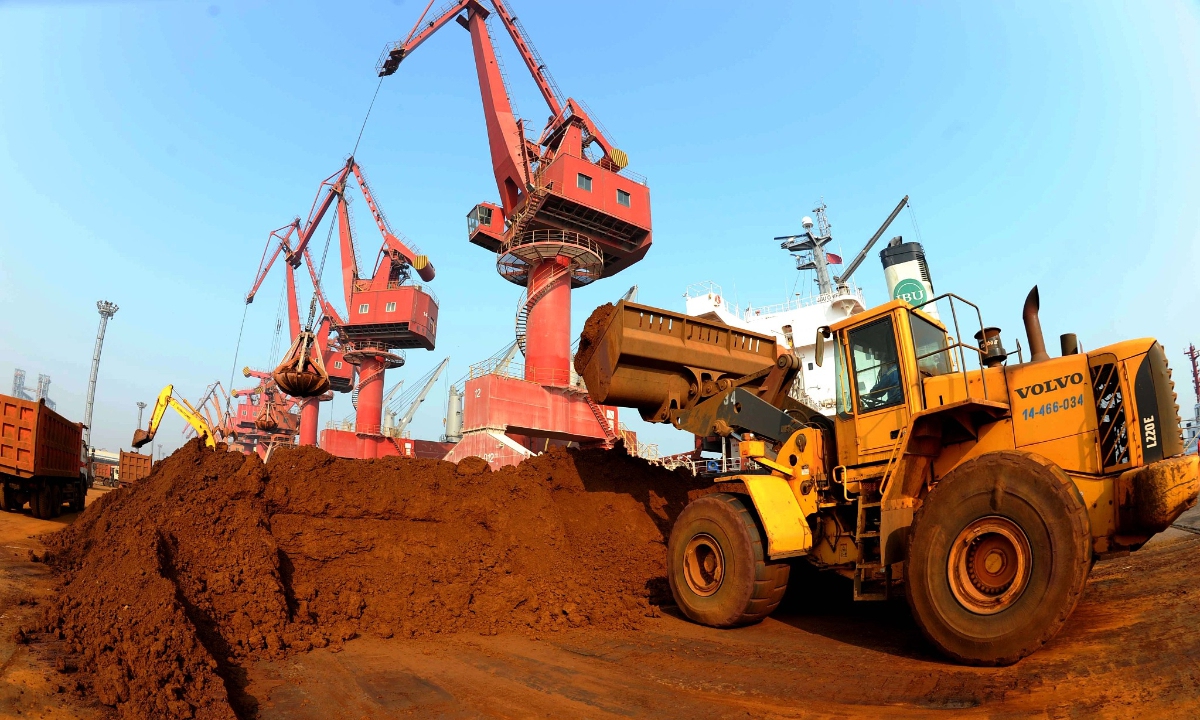
Jian Junbo,“Chinese govt approves all compliant applications for civilian-use exports in timely manner: MOFCOM”
发布时间:
2025-12-04
访问次数:
10
