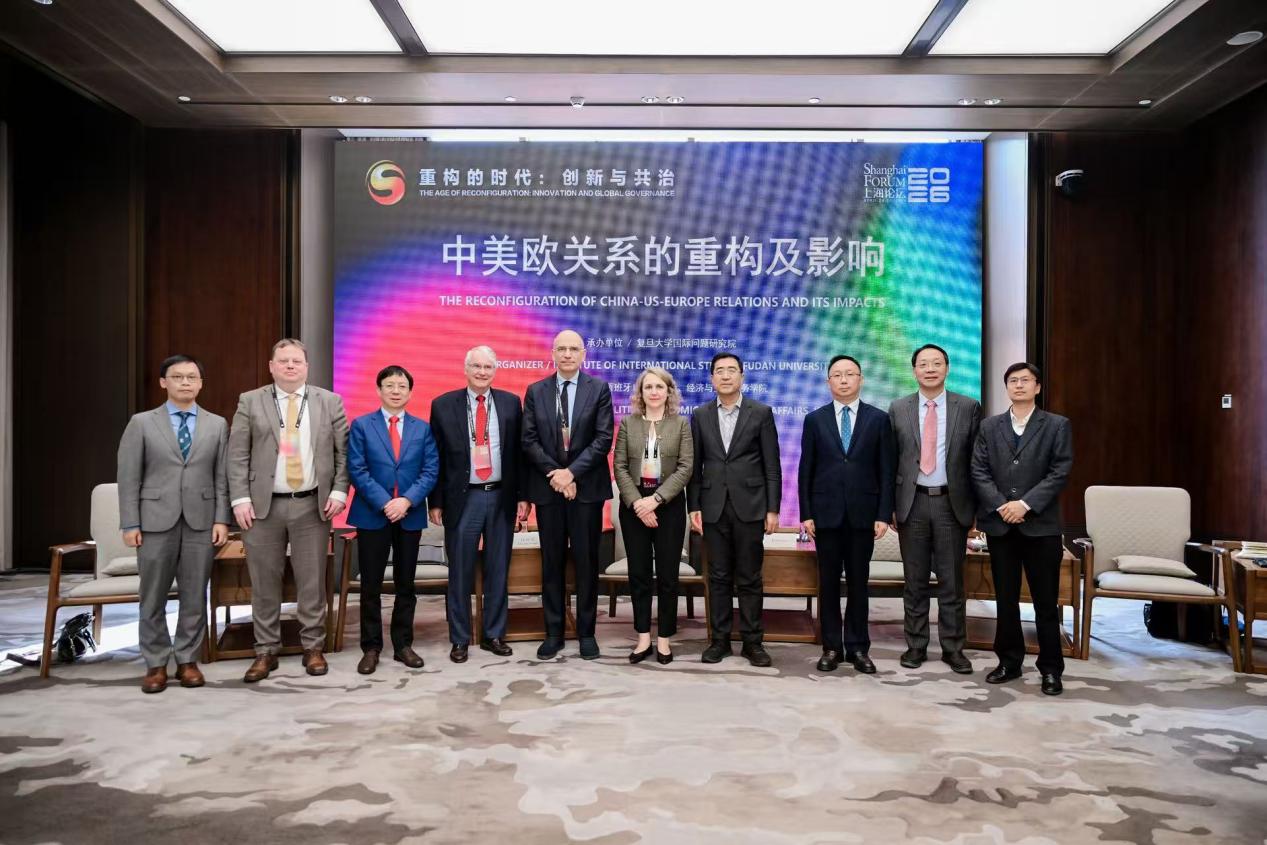
On the afternoon of April 24, 2026, Sub-forum 8 of Shanghai Forum 2026, "The Reconfiguration of China-U.S.-Europe Relations and Its Implications," was held in the Guanlan Hall of the Grand Halls (the World Living Room) on Shanghai's North Bund. Co-hosted by the Institute of International Studies at Fudan University (IIS Fudan) and the IE School of Politics, Economics & Global Affairs in Spain, the session was co-chaired by Wu Xinbo, Dean of the IIS Fudan, and Enrico Letta, Dean of the IE School of Politics, Economics & Global Affairs and former Prime Minister of Italy. Prominent scholars from China, the United States, and several European countries took part in in-depth discussions on the theme. The forum drew an audience of more than 100 — including business representatives, researchers and academics, consular officials based in Shanghai, and faculty and students from leading Chinese universities such as Fudan University, Shanghai Jiao Tong University, and Shanghai University of Finance and Economics — who also exchanged views with the panelists. It attracted wide media attention, with more than a dozen major outlets, including People's Daily, The Paper, and Phoenix Television, covering the event throughout.
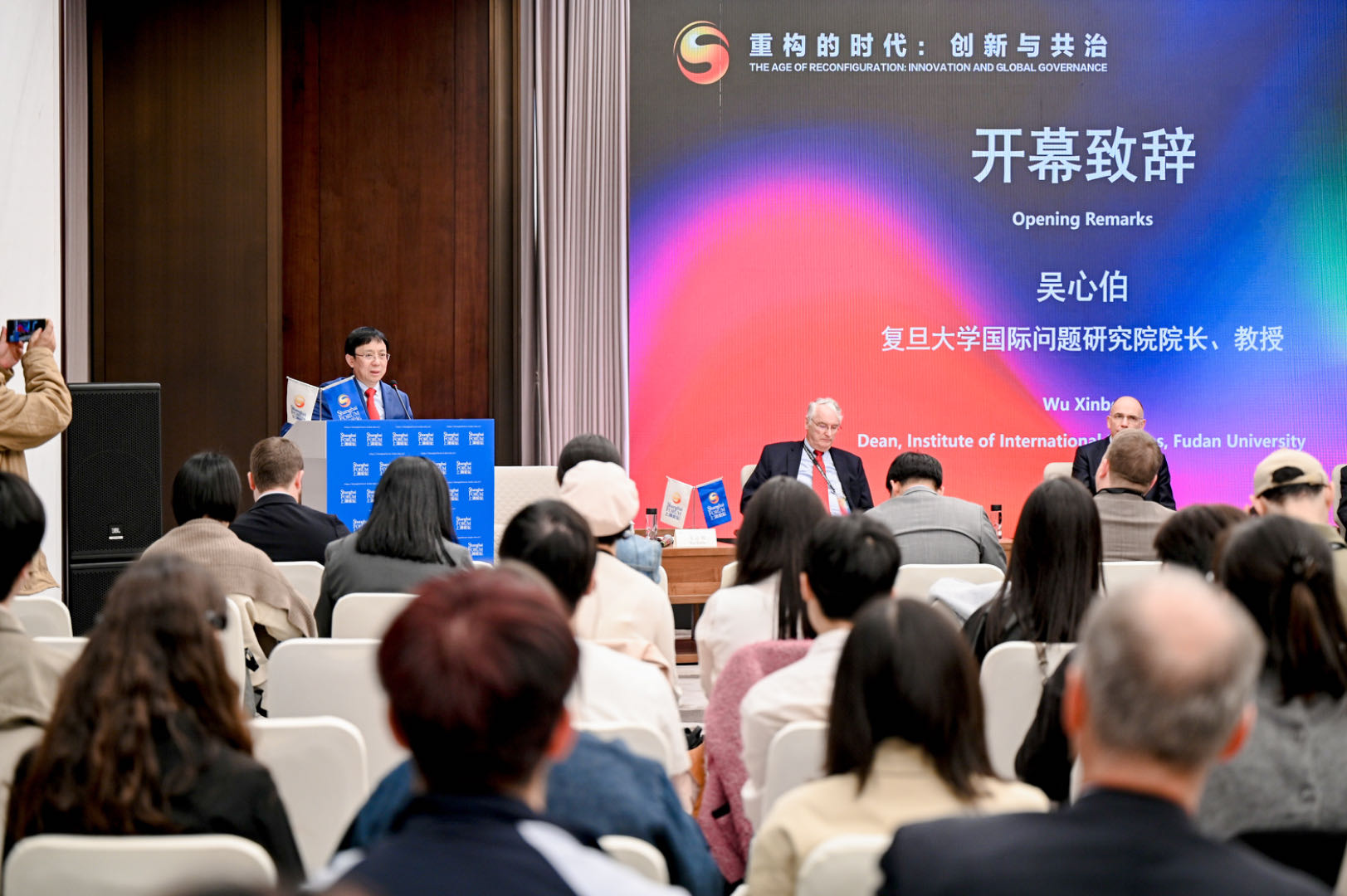
In his opening remarks, Professor Wu Xinbo said that discussing China-U.S.-Europe relations is especially timely amid the profound realignment now under way in the geopolitical landscape. The traditional focus on China-U.S. relations alone, he argued, can no longer fully explain current developments, and the trilateral China-U.S.-Europe relationship is becoming a key framework for understanding the reconfiguration of the international system. Europe's growing strategic autonomy means it is no longer merely a passive variable in China-U.S. competition; at the same time, transatlantic relations, Europe's China policy, and global governance issues are increasingly intertwined, making interactions among the three sides more institutionalized and more complex. Broadening the analytical lens from "China-U.S." to "China-U.S.-Europe," he concluded, both responds to these geopolitical realities and offers a more powerful framework for analyzing major-power relations.
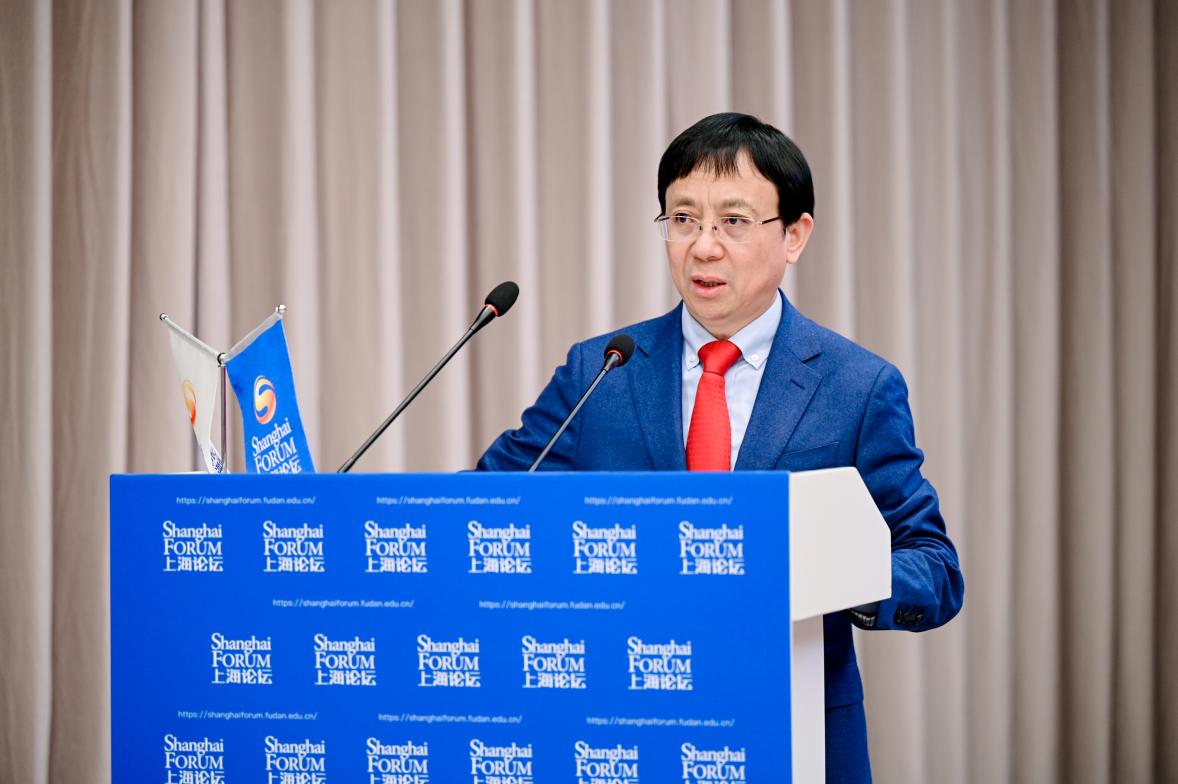
The first half of the forum was moderated by Zhang Ji, Deputy Dean of the School of International Relations and Public Affairs (SIRPA) at Fudan University.
Speaking in the first half, Professor Wu observed that the China-U.S.-Europe relationship has long taken an asymmetric form centered on the United States, but that this pattern has been shifting markedly over the past decade. China-U.S. ties have continued to contract across trade, investment, and people-to-people exchanges; the U.S.-Europe relationship has loosened amid strategic differences and protectionist tendencies; and Europe's China policy has grown more cautious, shaped by security and institutional considerations. Against this backdrop, he said, the relationship is moving from a one-directional structure dominated by the United States toward a more symmetrical and systematic pattern of multilateral interaction. At the same time, China and Europe retain a solid basis for cooperation in areas such as global governance and multilateralism, which may bring new opportunities ahead.
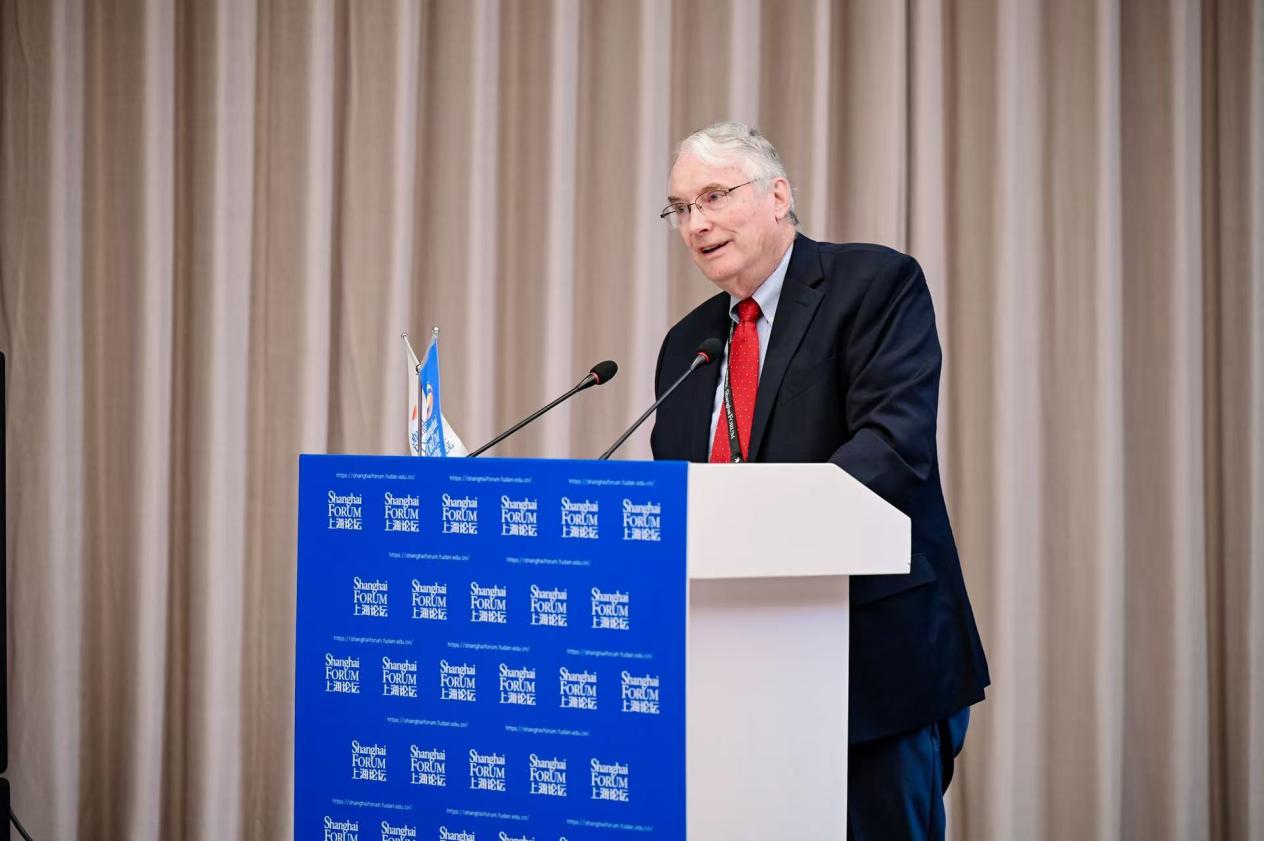
Thomas Fingar, a fellow at the Freeman Spogli Institute for International Studies at Stanford University and a former U.S. Assistant Secretary of State, spoke from a U.S. perspective, stressing the need to distinguish actual changes from future trajectories in China-U.S.-Europe relations and to examine the mechanisms behind them. He identified three shocks to the global order: U.S. efforts to revise the existing international system have weakened its stability; the Russia-Ukraine conflict has challenged the UN-centered international norms; and globalization has prompted a reassessment of the vulnerabilities created by interdependence. Within this process, he said, China's rise and its development model have become important variables shaping the three-way relationship. Overall, the U.S. role is shifting from that of a dominant power toward a redistribution of responsibilities; Europe is seeking a balance between security dependence and autonomy; and China faces the dual test of external constraints and strategic space. In this context, "co-governance" as a direction for future global governance has yet to be clearly defined, and its meaning and path will need to be worked out gradually through multilateral interaction.
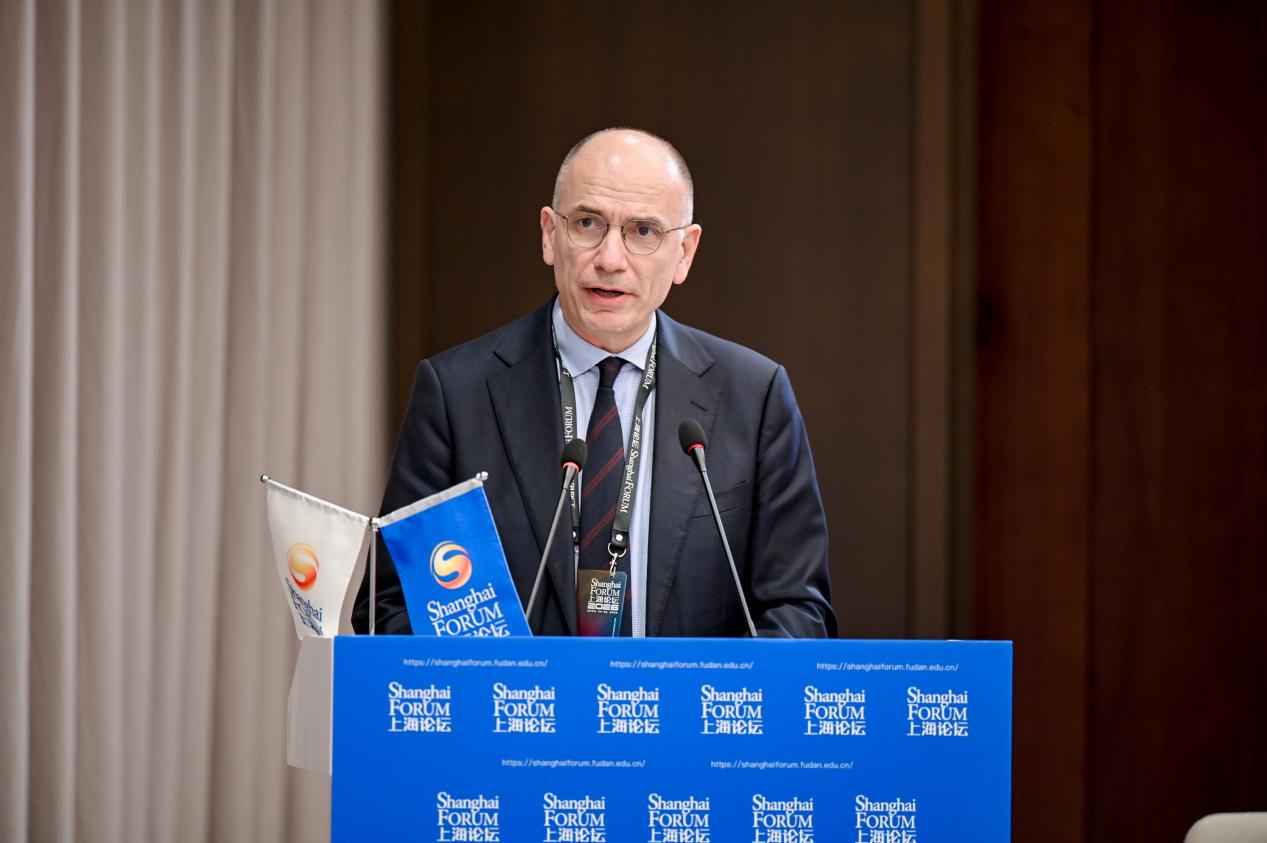
Enrico Letta — former Italian Prime Minister and Dean of the IE School of Politics, Economics & Global Affairs — described the "elephant in the room" in the current international situation as the Trump factor. He said bluntly that the U.S.-Europe relationship is at its lowest point in the 80 years since World War II, and that this shift stems not merely from short-term policy swings but may signal a longer-term structural adjustment. At the same time, Europe is rapidly remaking itself — from deepening the single market to strengthening defense autonomy and reducing external dependence — in a far-reaching strategic repositioning. Letta emphasized that on issues such as climate change and multilateralism, China and Europe still have an important basis for cooperation, which could become a key pillar of the relationship going forward.
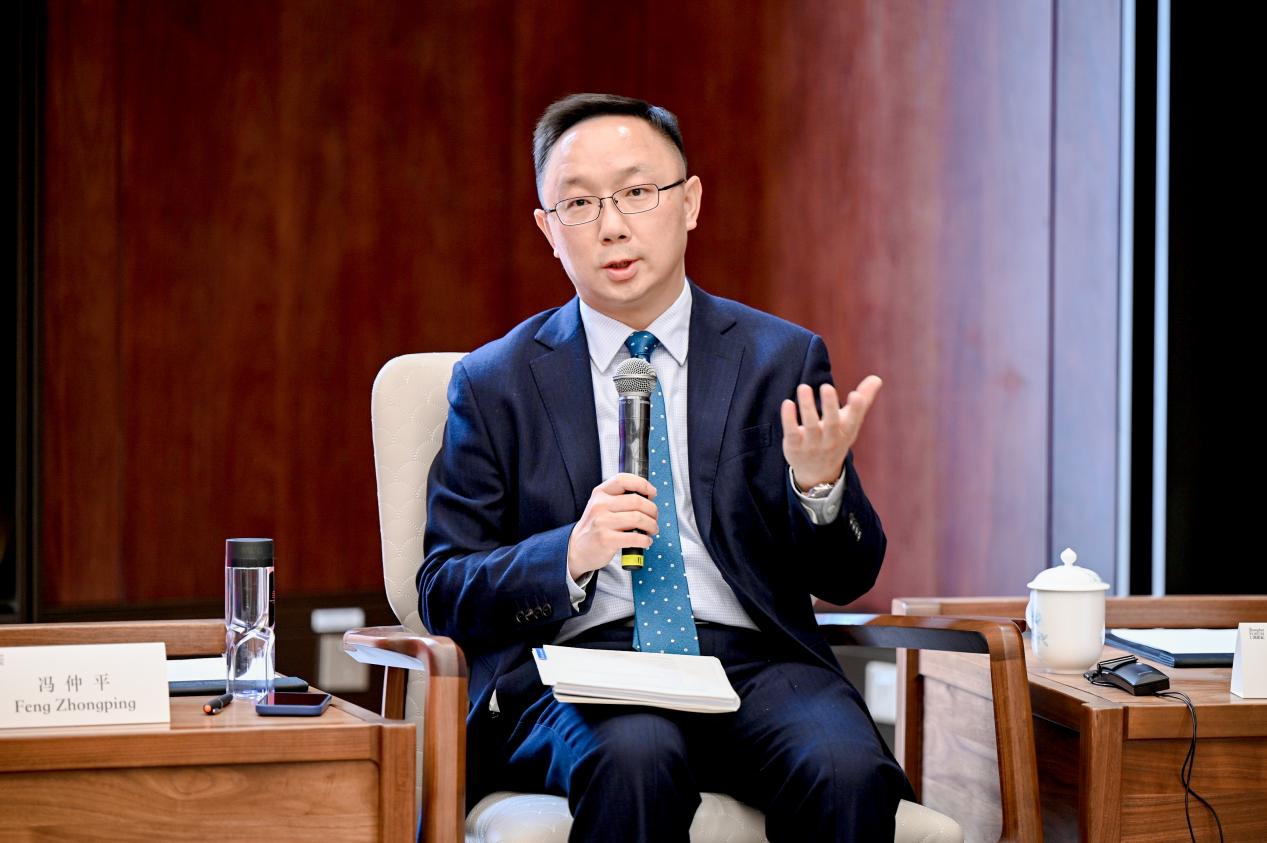
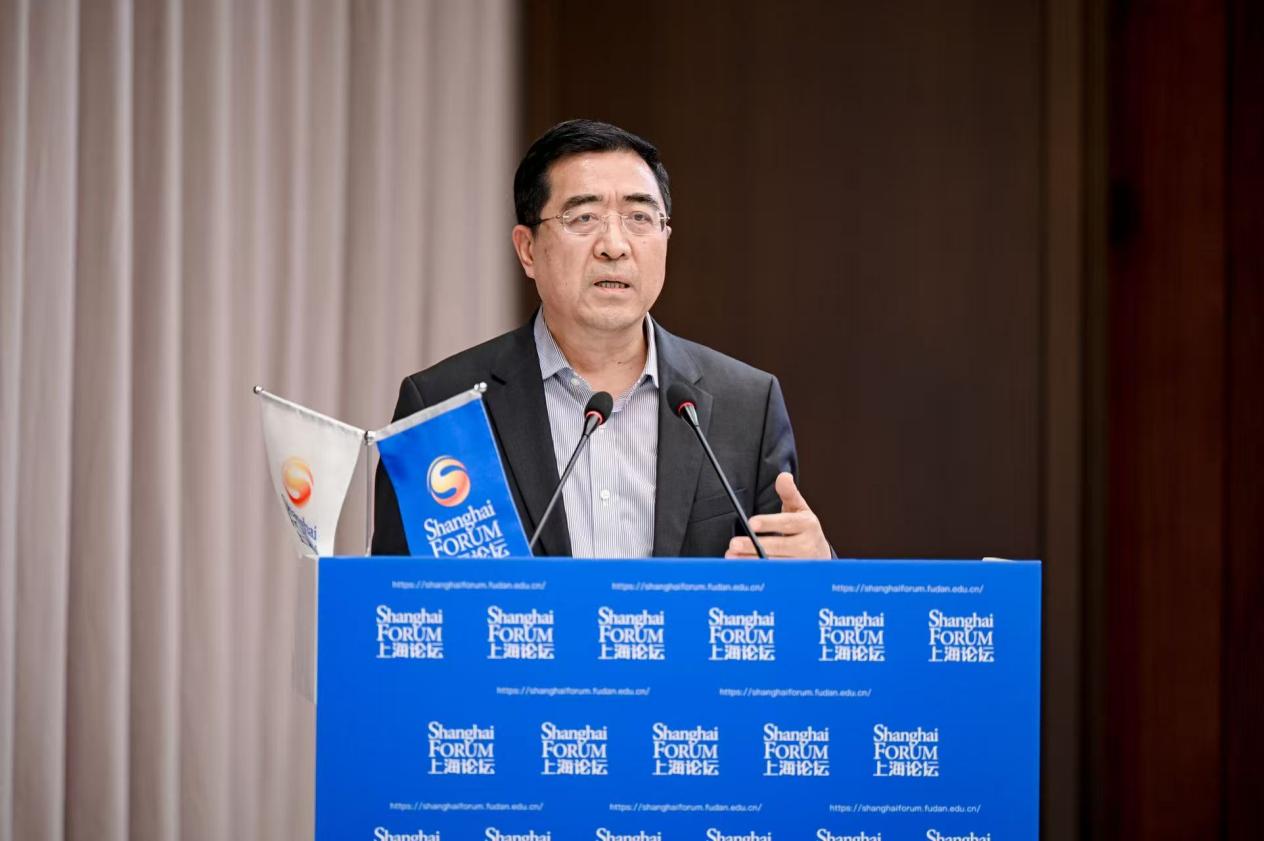
Feng Zhongping, Director of the Institute of European Studies at the Chinese Academy of Social Sciences (CASS), reinterpreted the three-way relationship through the lens of shifting power. The United States, he noted, remains the sole superpower, but the influence of its hegemony is declining at the margins; Europe is wavering between security dependence and strategic autonomy; and China, as a rising power, is continually reshaping the landscape. Within this framework, China-Europe relations are still largely pulled along by U.S.-Europe relations; but the start of Trump's second term has led Europe to reassess the sustainability of its reliance on the United States, opening new room for adjustment in China-Europe ties.
The second half of the forum was moderated by Jian Junbo, Director of the Center for China-Europe Relations at Fudan University.
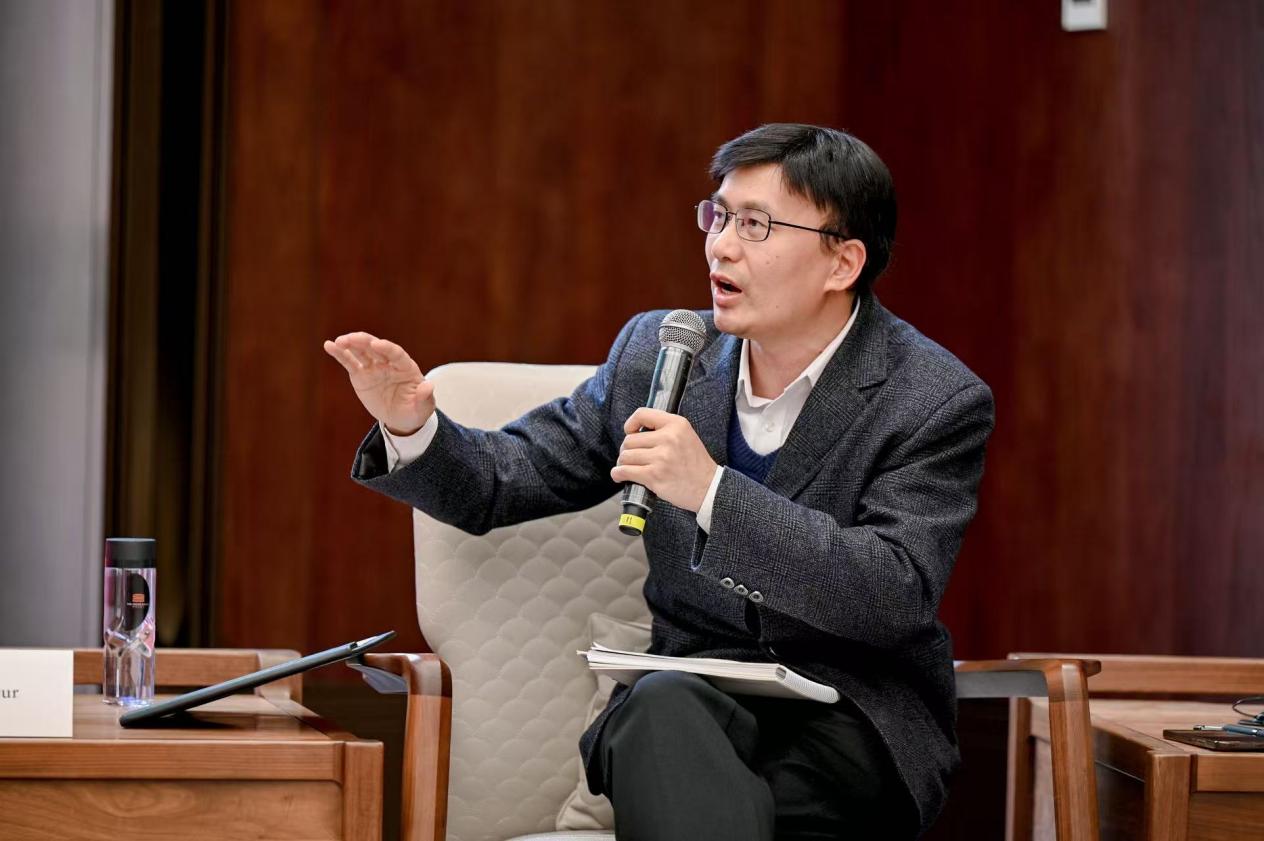
Speaking in the second half, Di Dongsheng, Dean of the School of Regional and Area Studies at Renmin University of China, drew on long-term cross-regional research and big-data analysis to argue that the evolution of China-U.S.-Europe relations is driven by multiple structural factors. First, Europe's China policy is heavily influenced by the U.S. stance on China, showing a clear pattern of "exogenous dependence." Second, transatlantic relations are being reshaped under the impact of the Trump administration, and Europe — wavering between security dependence and strategic autonomy — has to some extent turned toward seeking room for cooperation with China. At the same time, the global ideological map is shifting from the traditional left-right divide toward a new spectrum, with China in a "middle position," sharing common ground with both the United States and Europe on issues such as multilateralism, conceptions of sovereignty, and technological development. Finally, amid the trend toward multipolarity, the EU's own positioning and cohesion face challenges, and whether it can act as an independent pole remains uncertain.
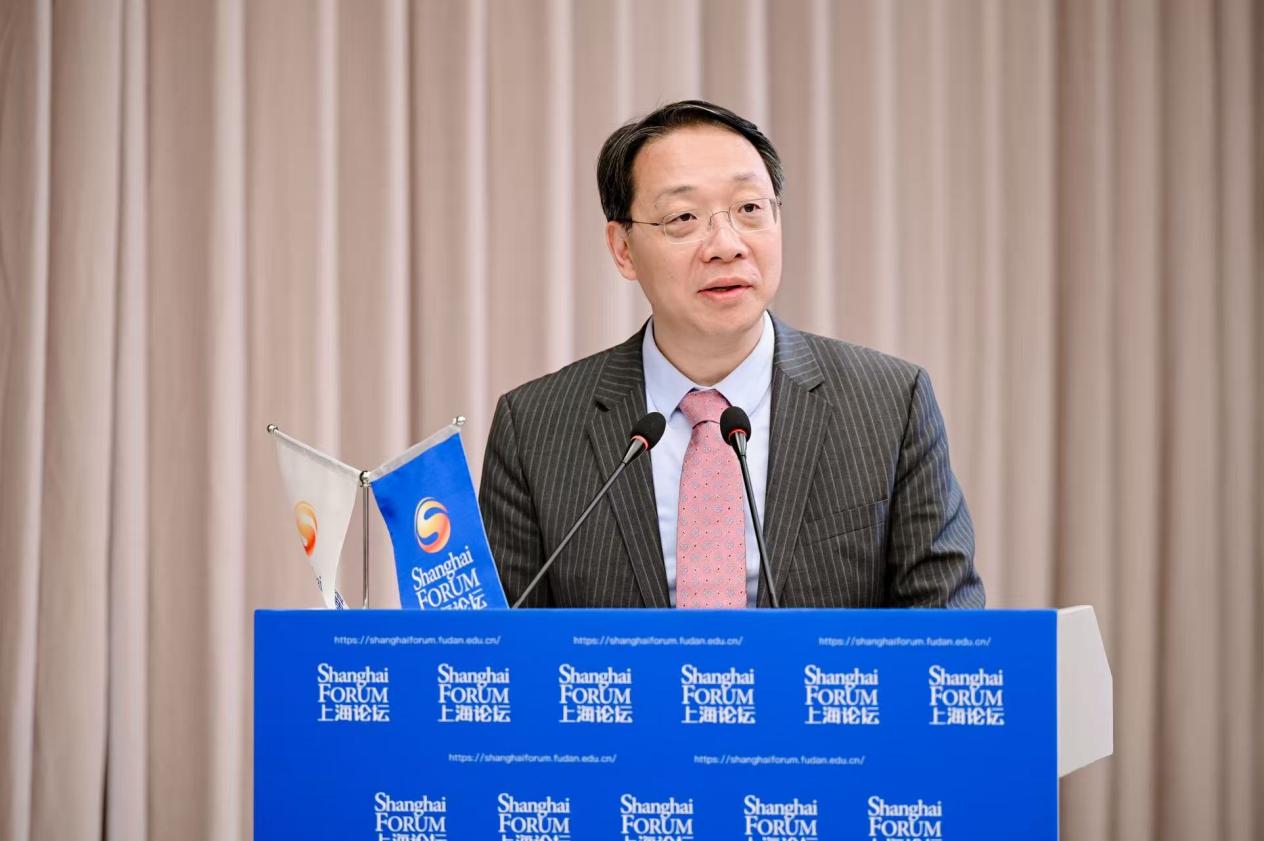
Fabian Zuleeg, Chief Executive of the European Policy Centre (EPC), approached the question from a security angle. The structure of the international system, he argued, is in turmoil and being remade, with uncertainty rising sharply and predictions based on historical experience no longer reliable. Europe sees Russia as a persistent security threat and is moving quickly to build up its defense capabilities and strategic autonomy; meanwhile, under the combined effect of structural change and the "Trump shock," the U.S.-Europe relationship has loosened but remains important. Against this backdrop, the direction of China-Europe relations is highly uncertain, offering opportunities for cooperation while also constrained by intertwined security and economic concerns — particularly over rare-earth supplies and policy toward Russia. The relationship's future evolution, he said, will hinge on the policy choices and patterns of interaction both sides adopt in the near term.
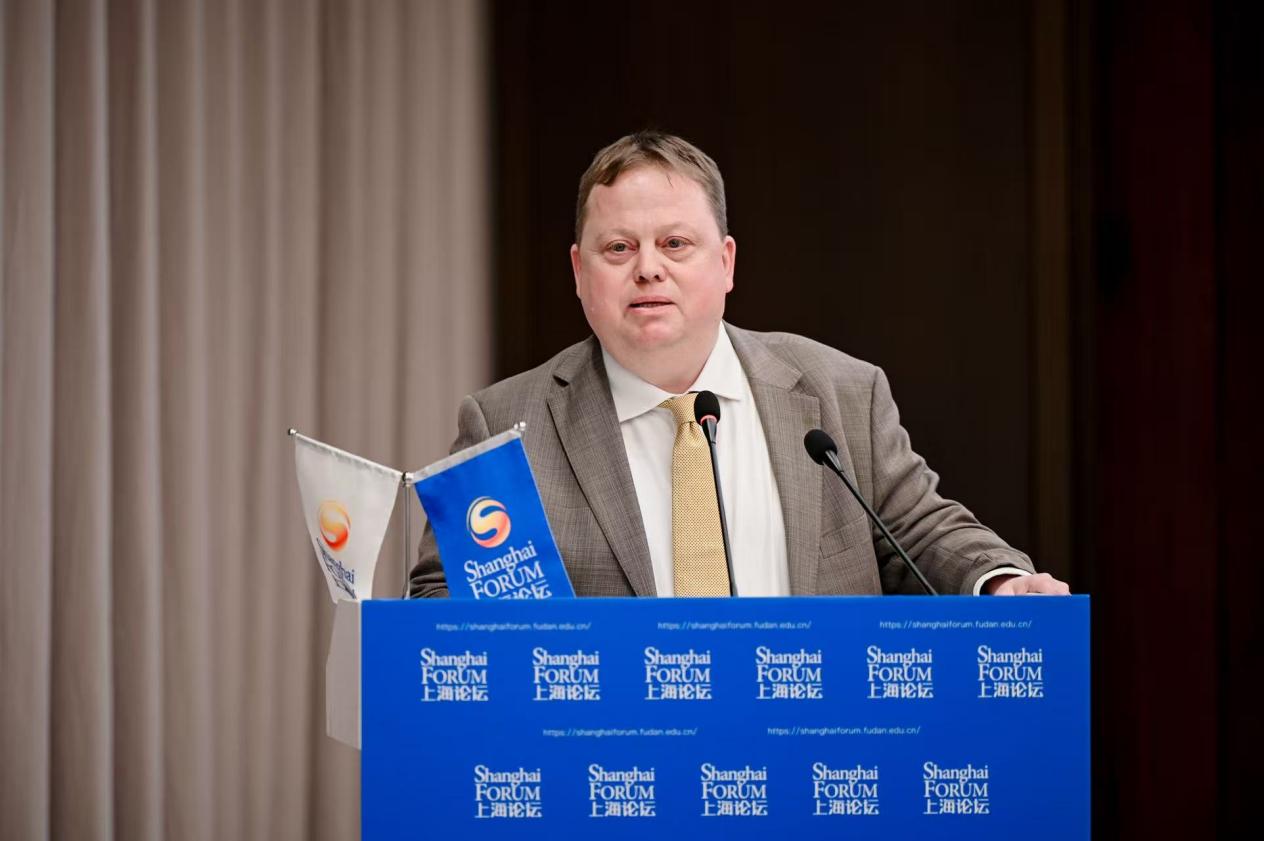
Yan Shaohua, Deputy Director of the Center for China-Europe Relations at Fudan University, said that China-U.S.-Europe relations are in a phase of historic reconfiguration, with the former trilateral structure — built on rules and high interdependence — now shaken. The United States still holds a dominant position in the triangle while China and Europe are relatively passive, yet there is room for them to shape the relationship's direction through cooperation. China and Europe should restart economic and trade dialogue, he argued, turning trade frictions into opportunities for cooperation and filling the missing link in China-U.S.-Europe negotiations. Europe, for its part, should strengthen its strategic autonomy so that it can play a key balancing role in China-U.S. competition — which means not only stronger independent defense capabilities but also an independent spirit and way of thinking. The three-way relationship could follow various paths in the future, from bloc confrontation to coordinated governance, depending on the policy choices and modes of interaction of each party.
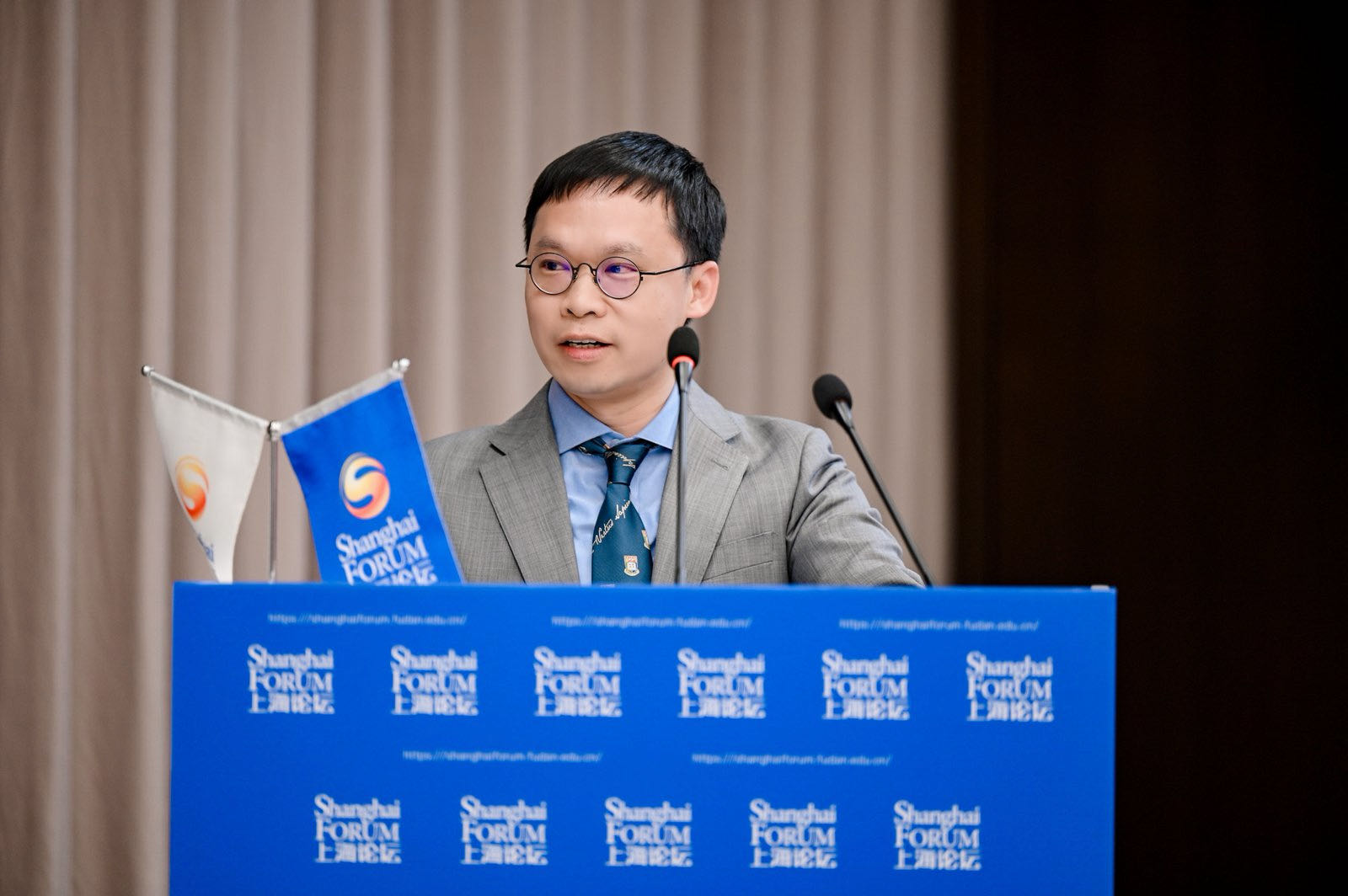
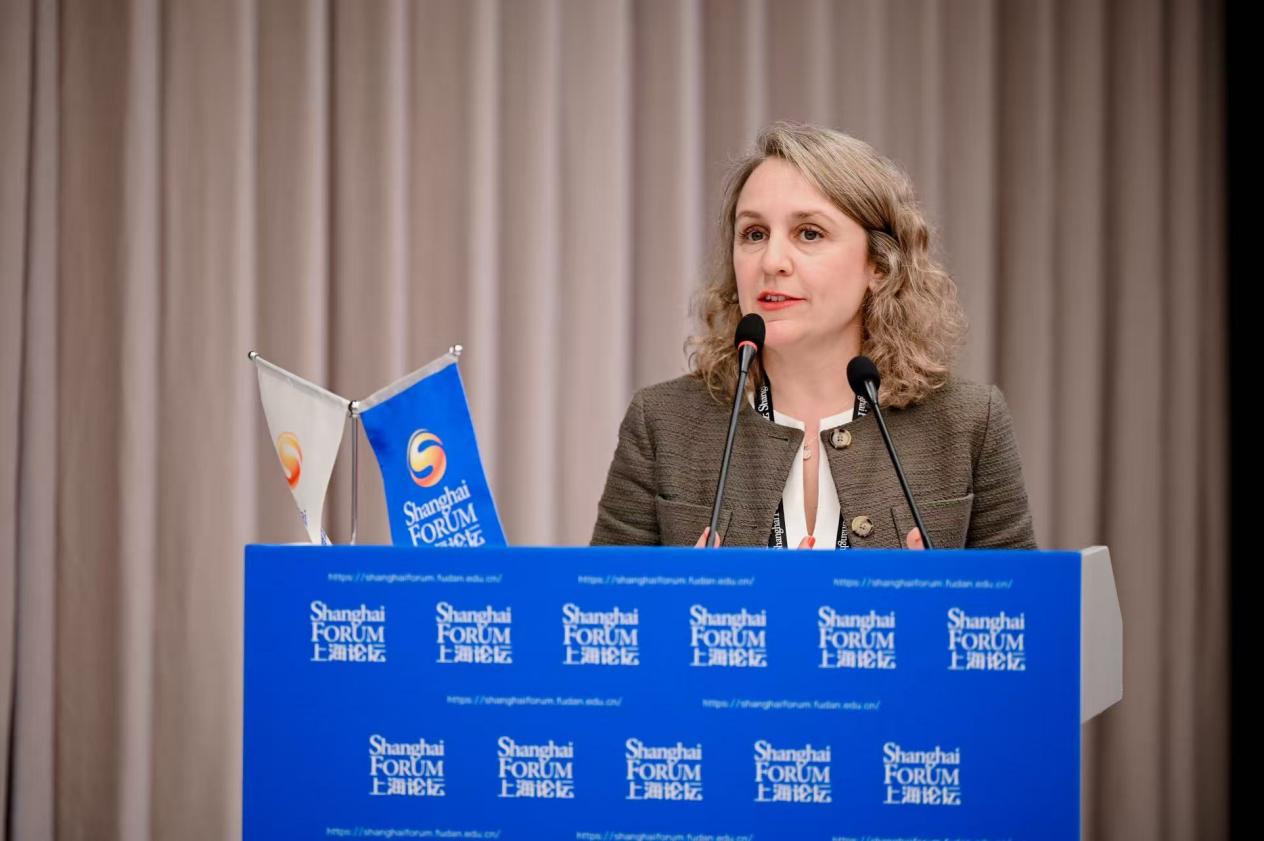
Ilke Toygur, Director of the Global Policy Center at IE University, argued that the EU is in a critical period of strategic transition: buffeted by the financial crisis, migration, the pandemic, and the Russia-Ukraine conflict, it is reshaping its approach to security, the economy, and technology. The transatlantic relationship has changed but remains important. In this setting, China-Europe relations face both opportunity and constraint: the two sides share common ground on economic cooperation and global governance but differ over trade imbalances, security perceptions, and policy toward Russia. The key to improvement, she said, lies in greater "strategic clarity" — the EU strengthening its autonomy and deepening direct communication with China while avoiding the instrumentalization of interdependence. The path ahead will depend on the policy choices both sides make in the short term.
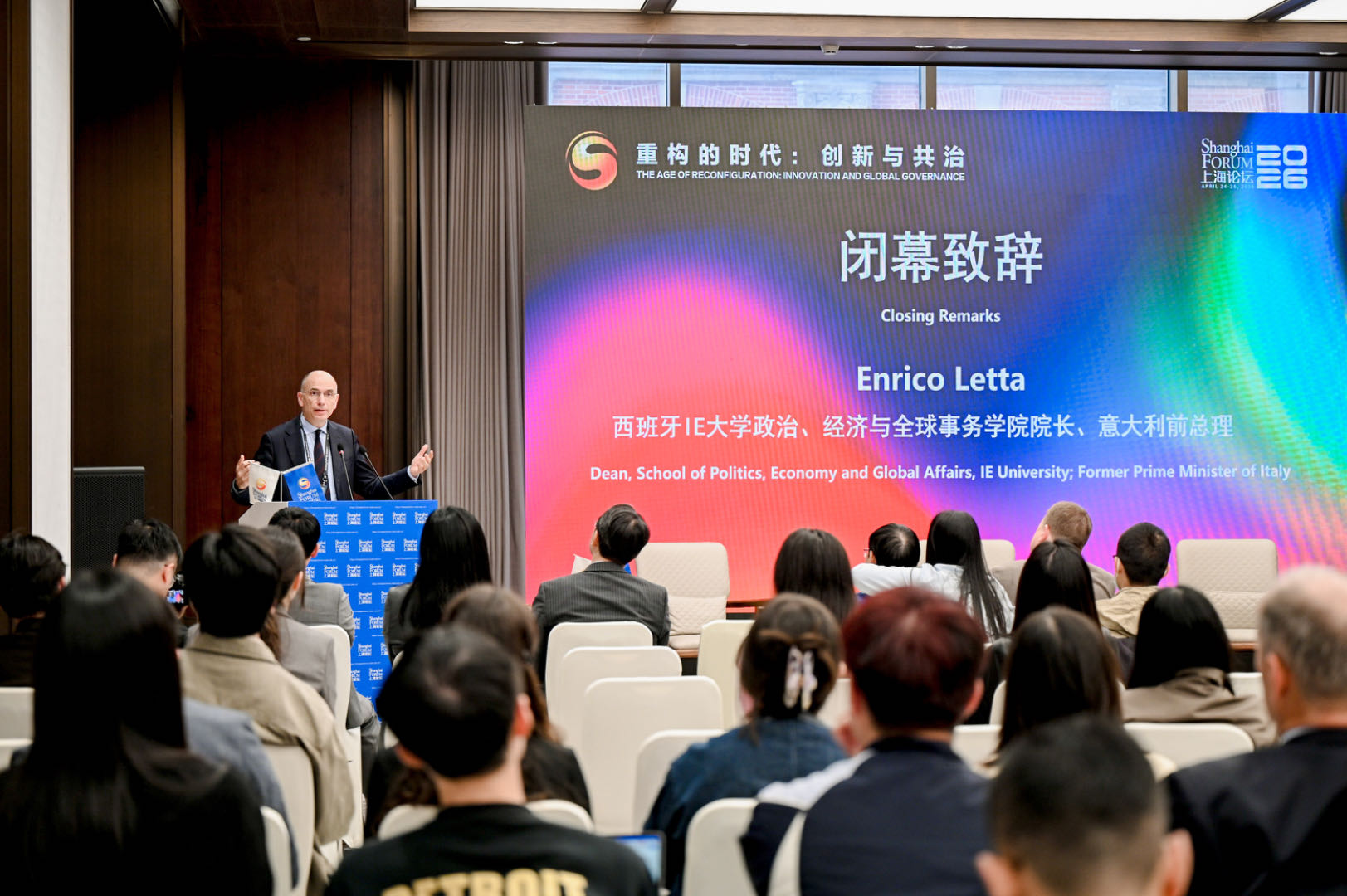
In his closing remarks, Letta stressed that the instability of the current international system has significantly raised the risk of miscalculation, and that only through sustained, candid dialogue can space for cooperation be preserved amid complex competition. He called on think tanks and universities in China and Europe to deepen their exchanges and cooperation.
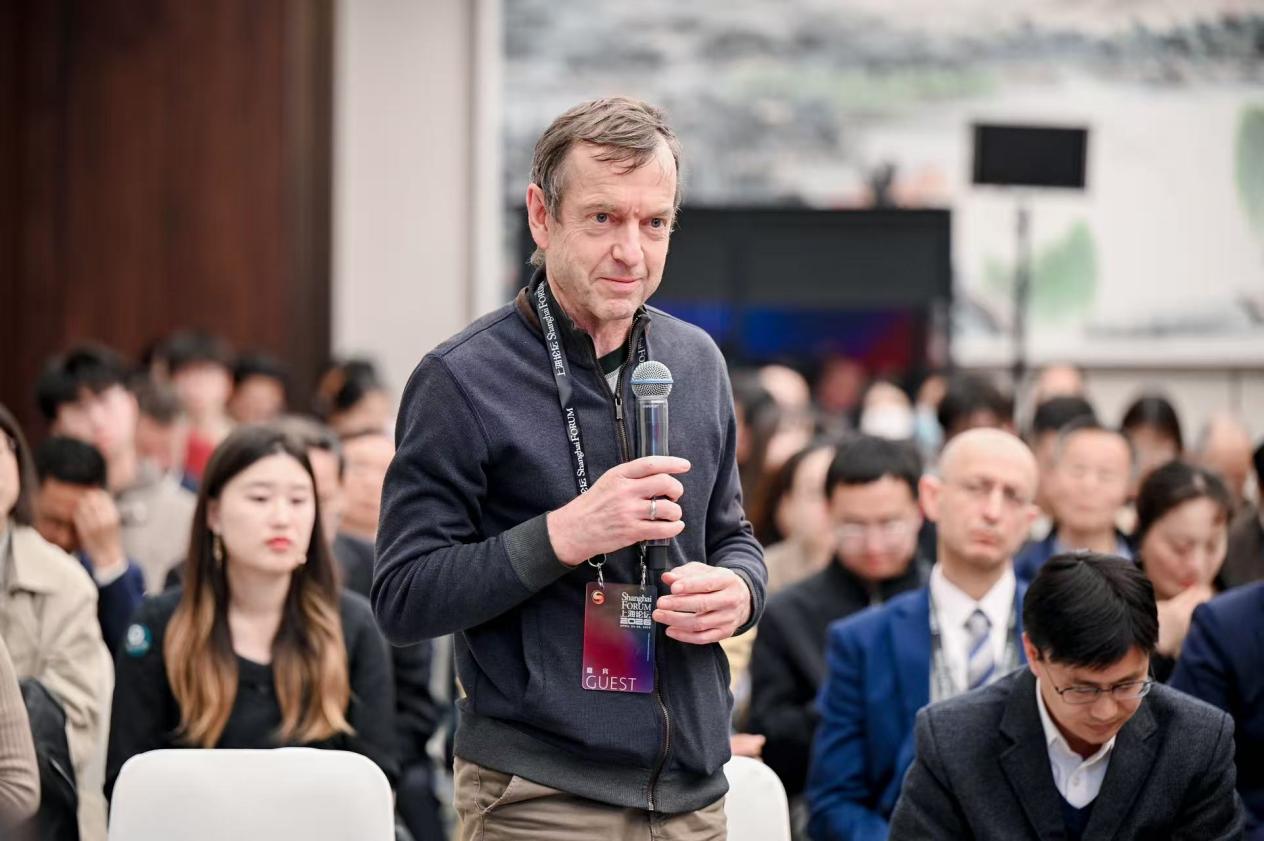
In the Q&A session, the panelists took questions from the audience on the Ukraine crisis, the Russia factor, China-Europe trade, and the outlook for transatlantic relations, in a lively discussion.