At noon on September 11, 2026, the 99th Youth Academic Workshop on International Studies of Fudan University (YAWIS Fudan) was held in the first-floor conference room of the Center for Japanese Studies, Fudan University. The workshop, titled "Why Voters Tolerate Democratic Erosion: Evidence from Indonesia," featured Professor Burhanuddin Muhtadi, a Fudan-Sinarmas Fellow at the Fudan Development Institute and Professor of Political Science at Syarif Hidayatullah State Islamic University Jakarta (UIN Jakarta), as the guest speaker. The lecture examined how Indonesian voters evaluate political leaders and their conduct in government.
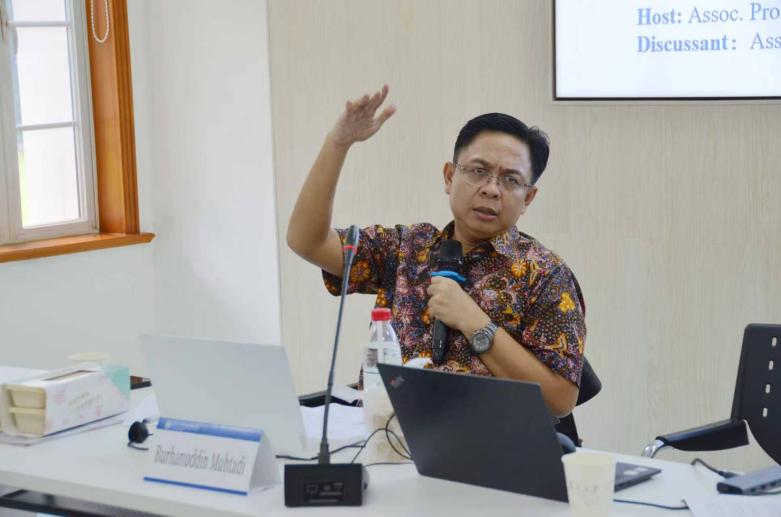
(Guest speaker Professor Burhanuddin Muhtadi)
The workshop was moderated by Dr. Xue Song, Associate Professor at the Institute of International Studies, Fudan University (IIS Fudan), and Director of the Center for Indonesian Studies (Preparatory), Fudan University. Dr. He Jiajie, Associate Professor at the School of International Relations and Public Affairs, Fudan University, served as the discussant. More than twenty faculty members and students from Fudan University and other institutions attended the event.

(Dr. Xue Song moderates the 99th YAWIS Fudan)
Professor Muhtadi noted that voters' assessments of political leaders are shaped not only by party positions and policy preferences, but also by their perceptions of leaders' governing competence, closeness to ordinary citizens, and personal character. Compared with political systems where party identification is more stable, voters' assessments of individual leaders tend to play a more prominent role in Indonesia, where party ties are relatively weak.
Professor Muhtadi then presented hypotheses concerning three dimensions: governance performance, social proximity, and religious image. The study examined how these leadership attributes affect voters' assessments of political conduct related to democratic governance. He also introduced a nationwide survey experiment conducted by his research team in Indonesia in May 2026. The survey covered all 38 provinces and interviewed 3,240 respondents. Using a factorial vignette experiment, the researchers randomly combined different policy scenarios to create 24 hypothetical cases, yielding 6,058 valid observations.
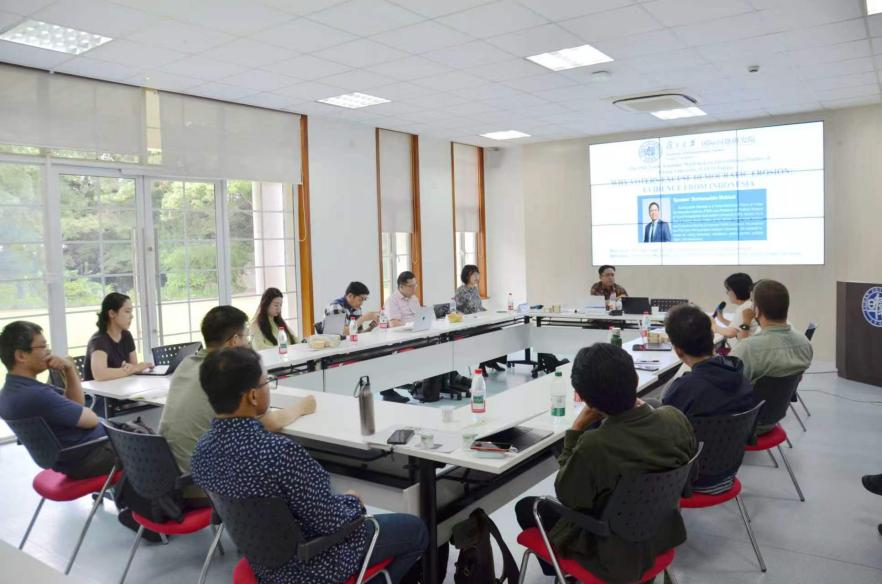
(The 99th YAWIS Fudan in progress)
The survey experiment found a relatively clear association between respondents' assessments of a leader's governance performance and their acceptance of the relevant approaches to democratic governance. Perceived social proximity also had an effect, while religious image exerted a more limited influence.
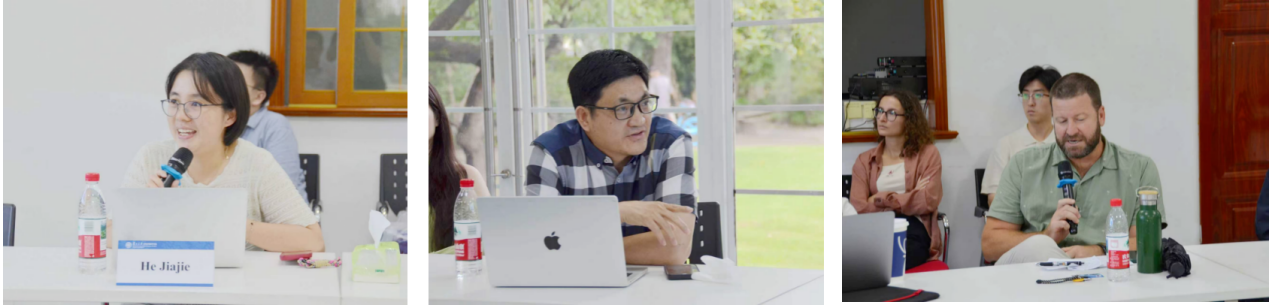
(Comments by the discussant and the question-and-answer session)
Dr. He Jiajie commented on the lecture and discussed the research design, measurement of variables, and the scope of the findings with the speaker. During the discussion session, participants exchanged views on voters' political perceptions, survey-experiment methods, and possible extensions of the research. Professor Muhtadi responded to the questions and further clarified the study's theoretical significance and methodological limitations.
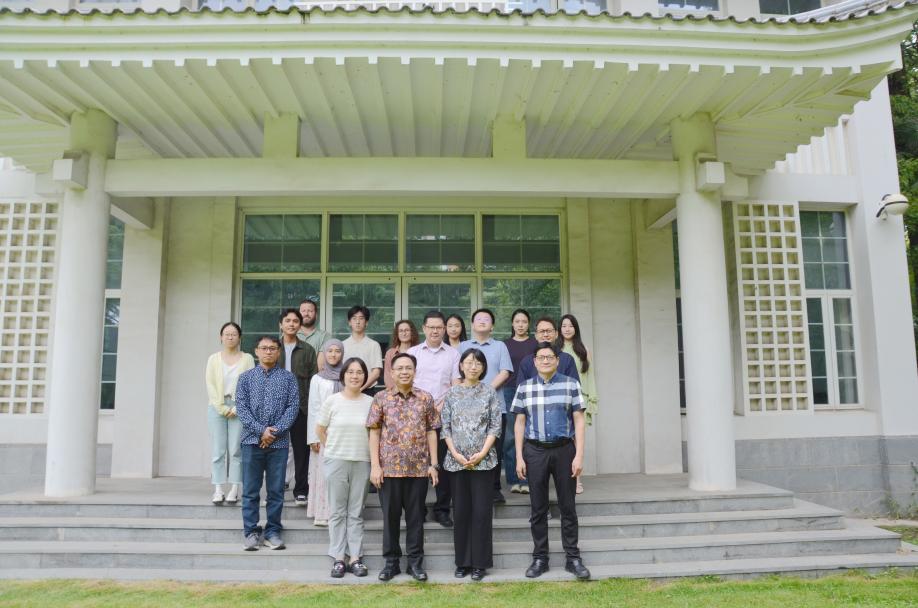
(Group photo of the 99th YAWIS Fudan)