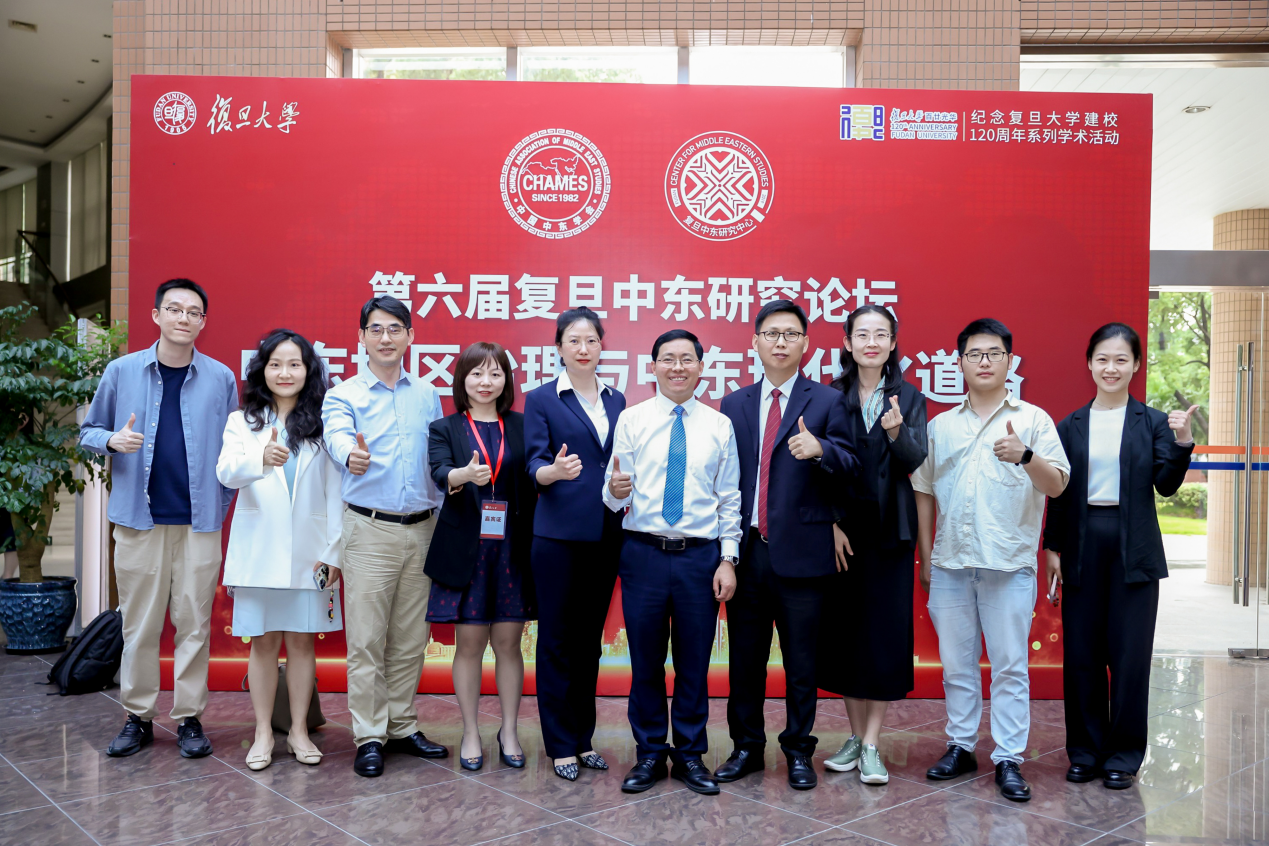
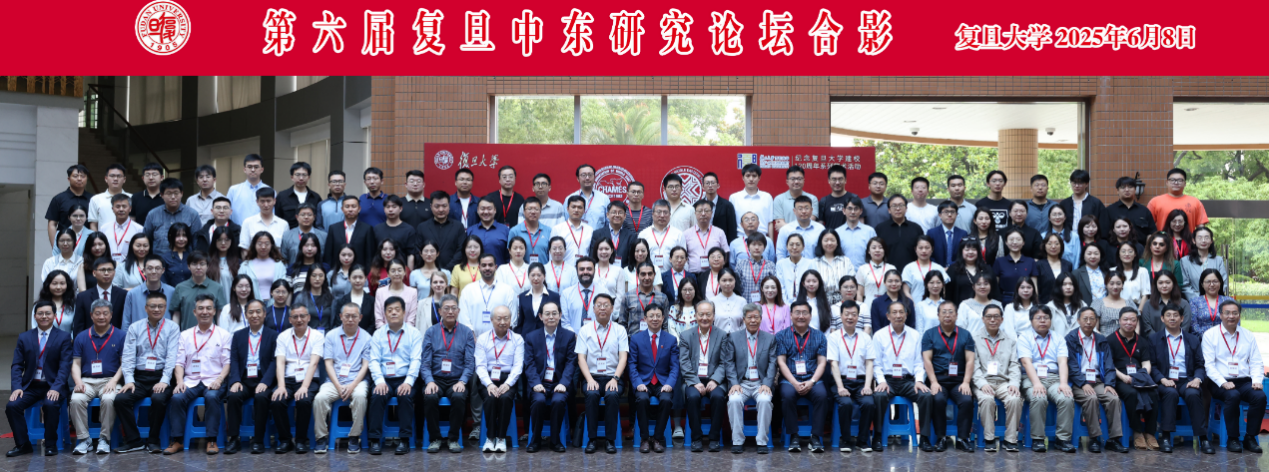
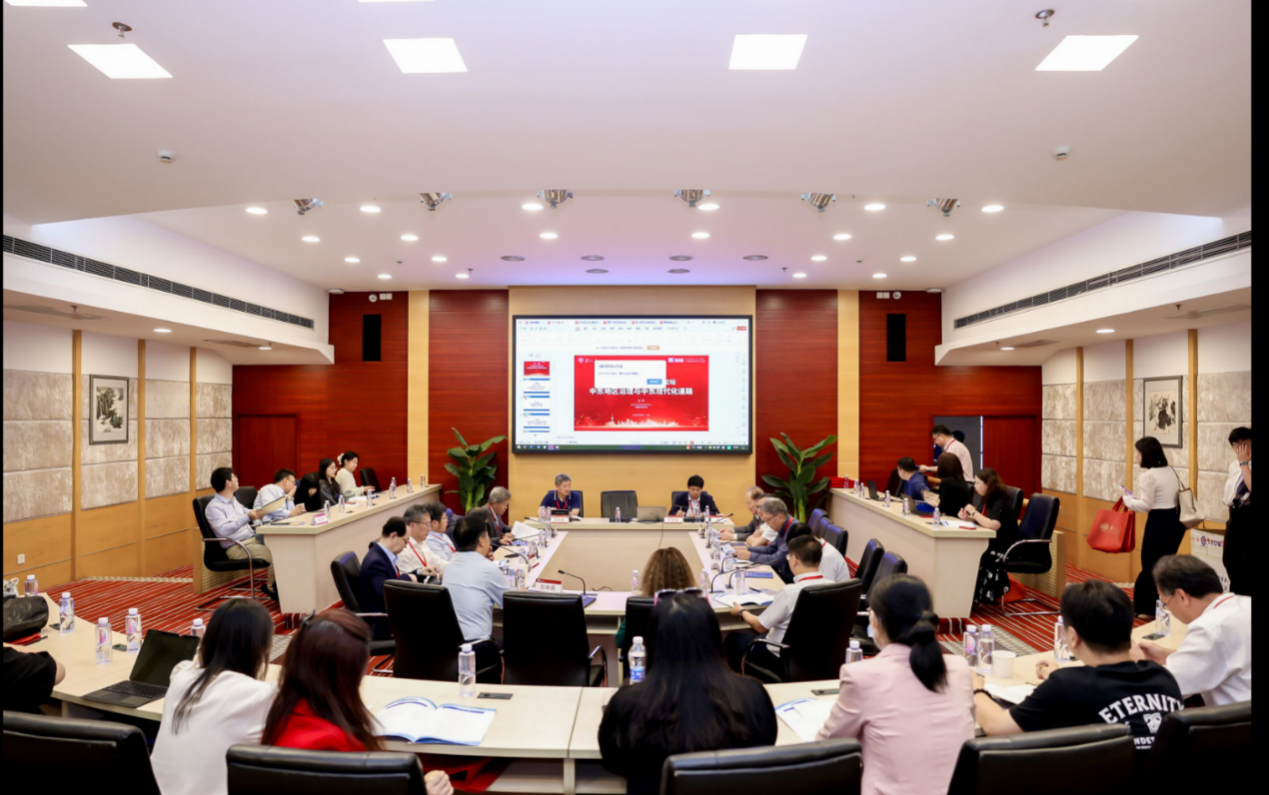
On June 8, 2025, the Sixth Fudan Forum on Middle Eastern Studies was successfully held at Fudan University as part of the university’s 120th anniversary celebrations. The forum was co-hosted by the Center for Middle Eastern Studies at the Institute of International Studies, Fudan University (CMES Fudan), and the Chinese Association of Middle East Studies. This year’s theme was “Governance and Modernization in the Middle East.” Nearly 100 scholars and experts from around 60 institutions worldwide—including Peking University, Tsinghua University, Alexandria University, Georgetown University, and Leiden University—took part in the forum.
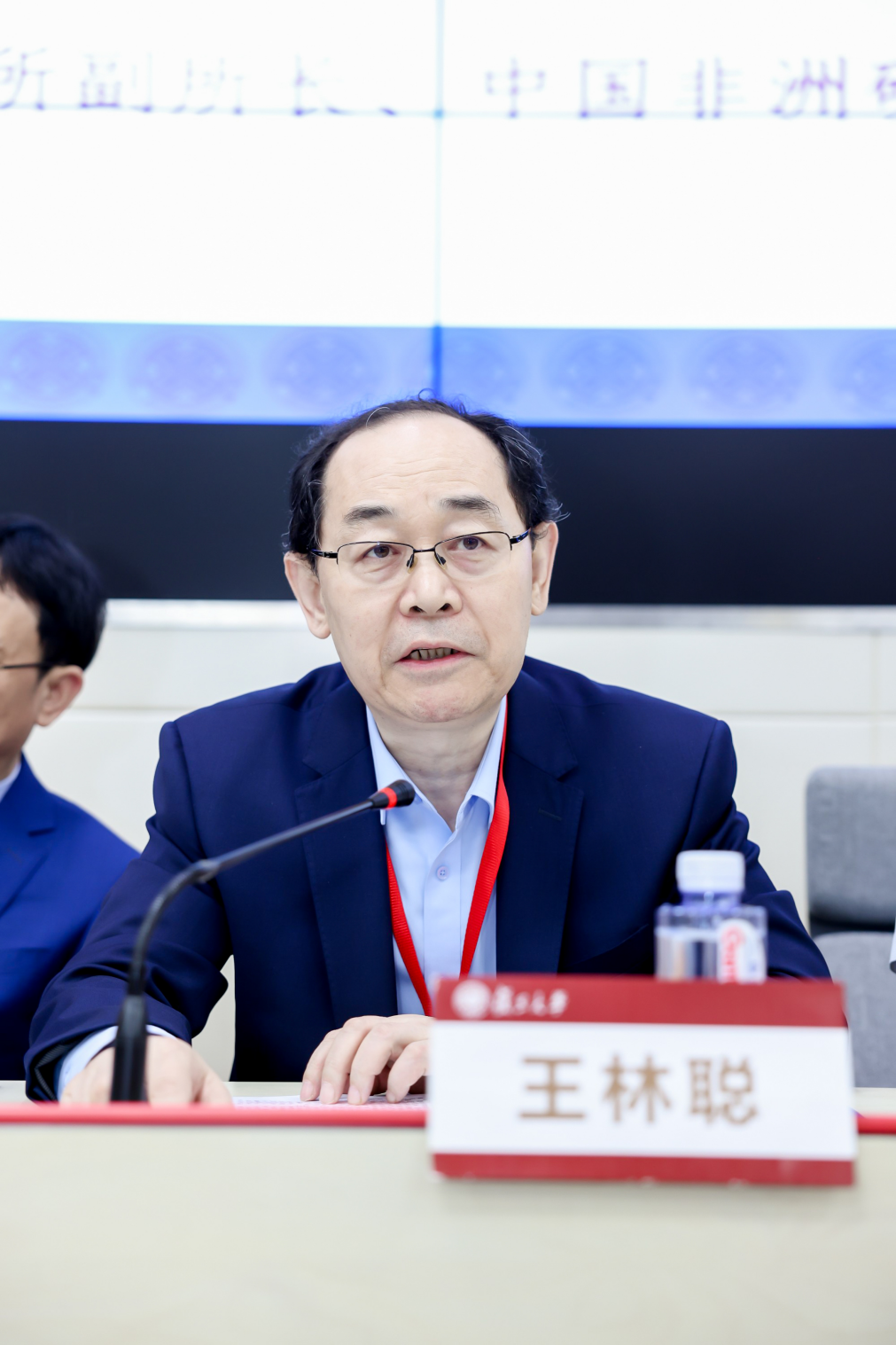
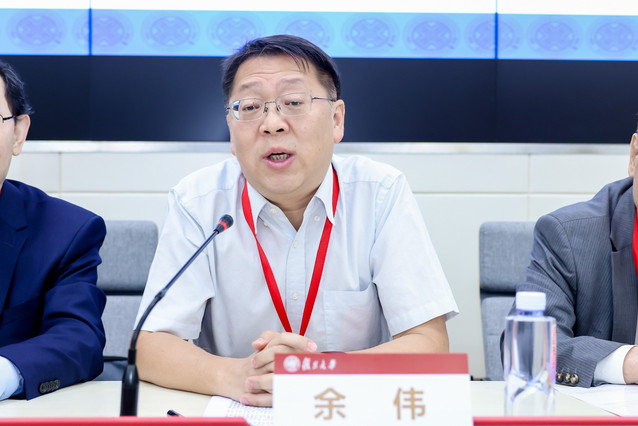
Vice President of Fudan University, Prof. Chen Zhimin extended a warm welcome to all participants. At the opening ceremony, Prof. Wu Xinbo, Dean of the Institute of International Studies and Director of the Center for American Studies at Fudan University, and Prof. Wang Lincong, President of the Chinese Association of Middle East Studies and Deputy Director of the Institute of West Asian and African Studies at the Chinese Academy of Social Sciences, delivered opening remarks. Yu Wei, Deputy Director of the Third Bureau of the International Department of the CPC Central Committee, delivered a keynote speech. The session was chaired by Prof. Sun Degang, Director of CMES Fudan, Assistant Dean of the Institute of International Studies, and Vice President of the Chinese Association of Middle East Studies.
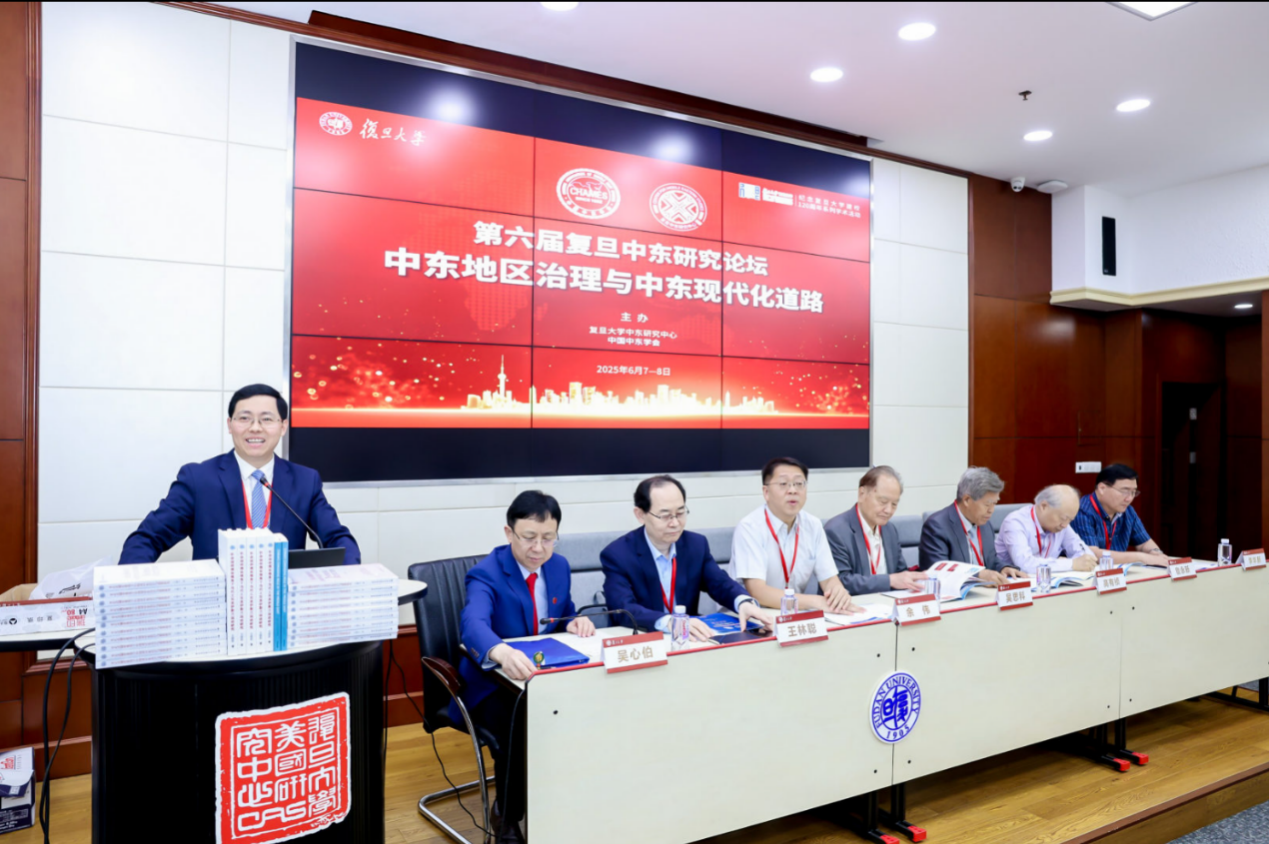
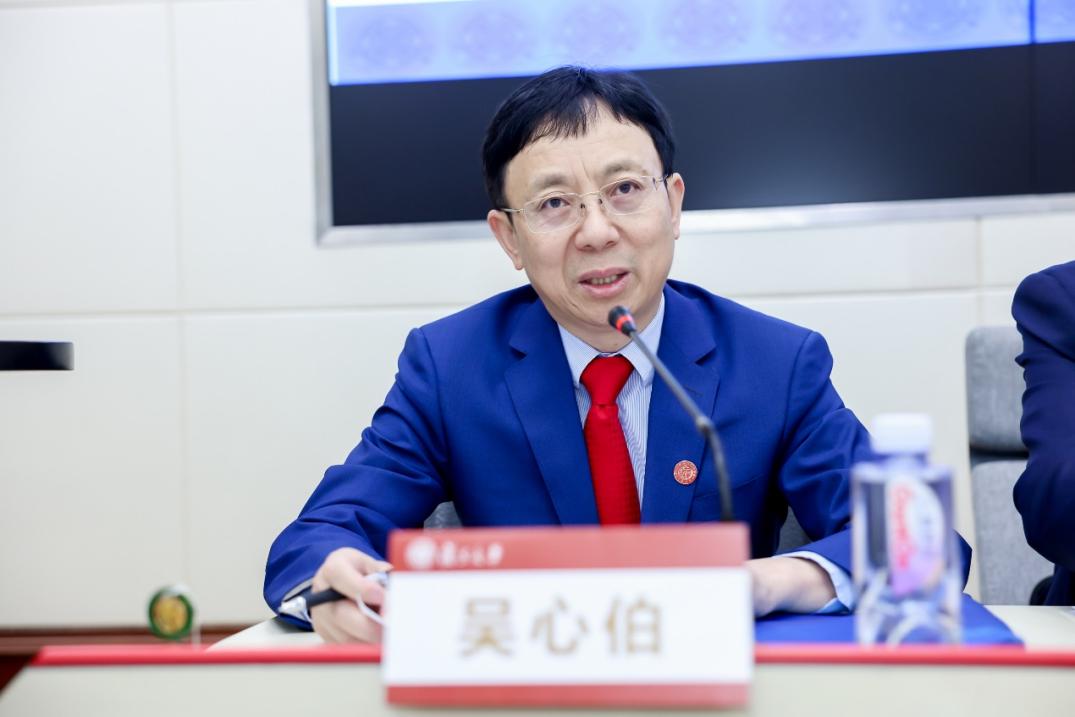
Prof. Wu Xinbo emphasized that the forum’s dual focus on governance and modernization is both timely and important. He noted that President Xi Jinping’s congratulatory letter on Fudan University's 120th anniversary provides strategic direction for research on Middle Eastern governance and modernization. With strong support from the Chinese Association of Middle East Studies and institutions across the country, CMES Fudan has actively contributed to the advancement of area studies and national strategy. The Center joined the Ministry of Education’s Middle East Research Consortium in 2023, became a founding member of the China–Arab Think Tank Alliance in 2024, and was selected to join the China–Arab Academic Alliance for Civilizational Exchange and Mutual Learning in 2025. Prof. Wu expressed appreciation for the continued support of the Ministry of Foreign Affairs, the International Department of the CPC Central Committee, the Chinese Association of Middle East Studies , and peer institutions at home and abroad.
Prof. Wang Lincong highlighted the forum’s relevance to the region’s core issues and pressing challenges. He cited President Xi’s observation that “a country’s path to modernization is shaped by its historical traditions, social systems, development conditions, and external environment.” In this context, comparative research on governance and modernization in the Middle East is a key academic priority. He noted CMES Fudan’s significant role in China’s Middle East studies and pledged continued collaboration with the Center and other institutions to build high-level research platforms and advance the modernization agenda.
In his keynote address, Yu Wei extended congratulations on Fudan University’s anniversary. He noted that the international landscape is undergoing complex and profound changes, marked by growing instability and uncertainty. The renewed Israel–Palestine conflict has brought major shifts in the region’s geopolitical dynamics, great-power competition, and political discourse. As a force for peace, stability, and constructive change, China is committed to strengthening cooperation with developing countries in the Middle East to defend legitimate development rights and promote common interests. Interest in China’s development models continues to grow across the region, with more countries exploring modernization paths suited to their national conditions. Yu emphasized the importance of deepening exchanges on governance experience and knowledge sharing, and called for stronger people-to-people ties. He encouraged scholars and institutions to engage in the CPC’s foreign affairs platforms, including the China–Arab Political Parties Dialogue, the China–Arab Civilization Dialogue, and the China–Arab Forum for Young Political Leaders.
Prof. Guo Changgang, Director of the Institute of History at the Shanghai Academy of Social Sciences, chaired the first plenary session.
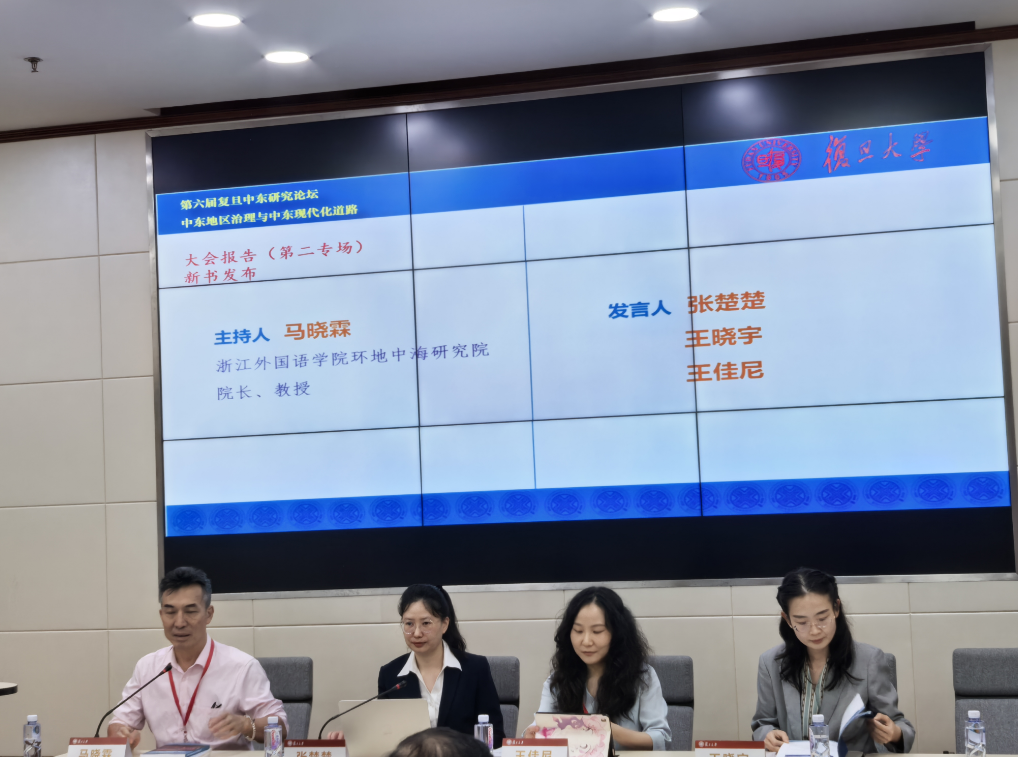
The second plenary featured a book launch chaired by Prof. Ma Xiaolin, Director of the Institute of Mediterranean Studies at Zhejiang International Studies University. The second plenary keynote session was moderated by Prof. Zhao Weiming, Research Fellow at the Shanghai Research Institute of Culture and History.
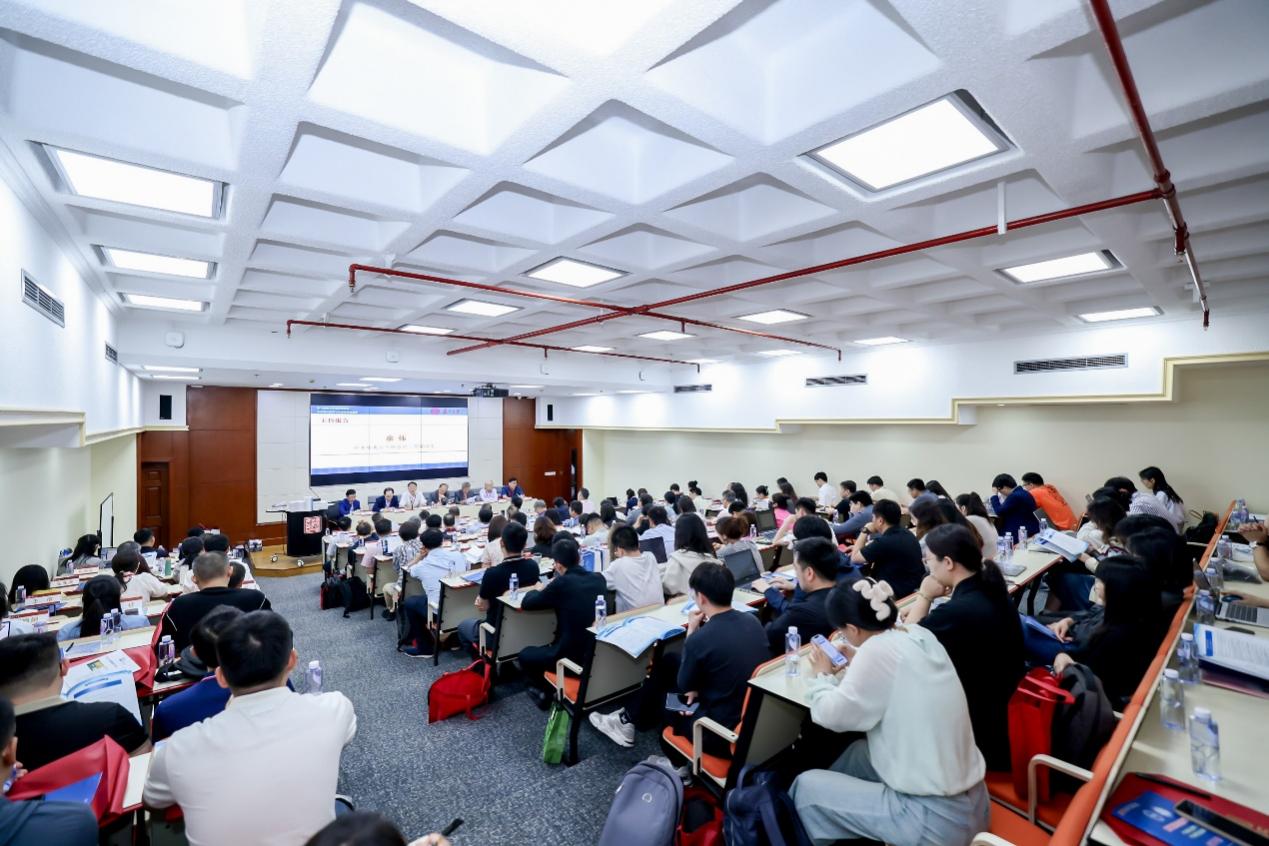
The third plenary session was chaired by Prof. Sun Degang.
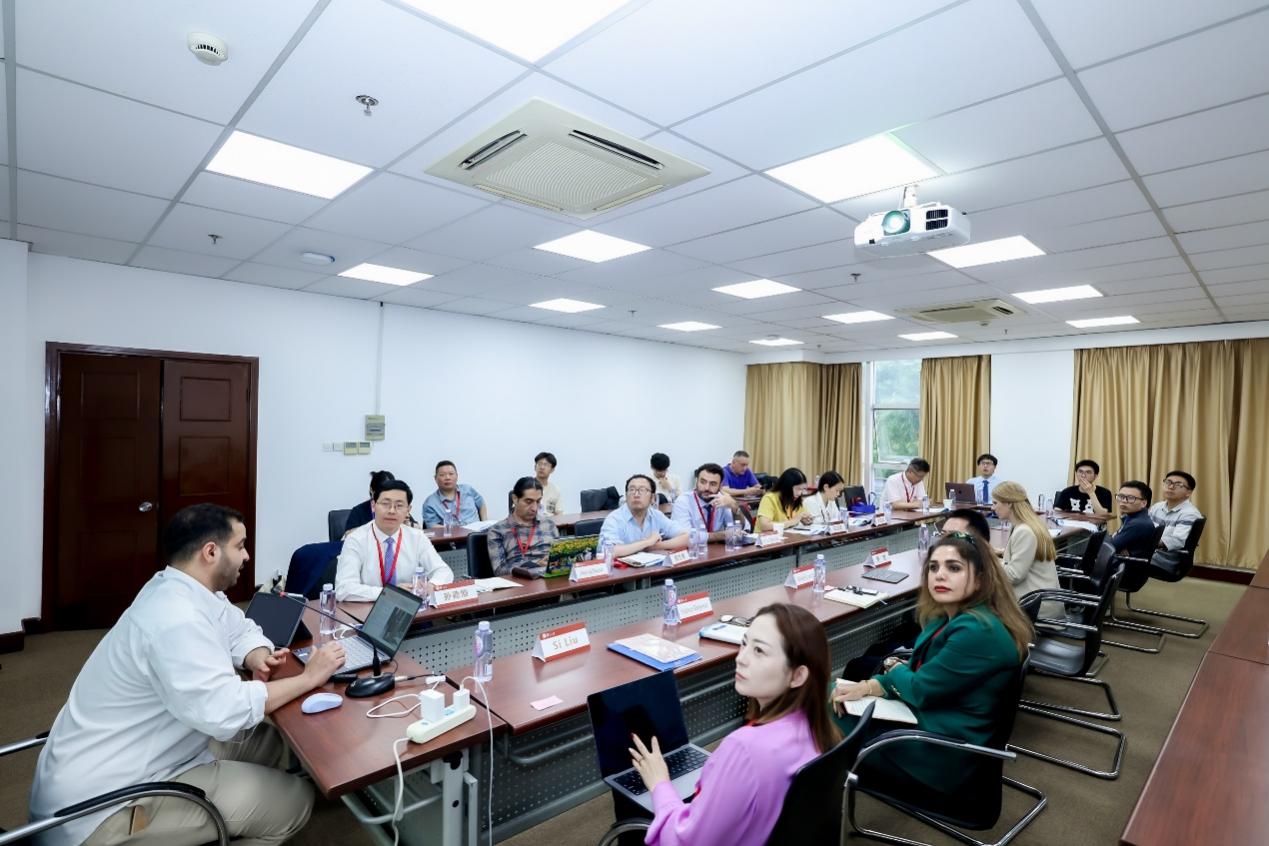
In the afternoon, seven parallel panels were held on the following topics: “Country and Area Studies in the Middle East,” “China–Middle East Relations,” “Middle Powers in the Middle East,” “Major Power Competition,” “Governance in the Middle East,” “Paths to Modernization in the Middle East,” and “New Horizons in Middle East Studies.” Dozens of scholars participated in in-depth discussions and exchanges.
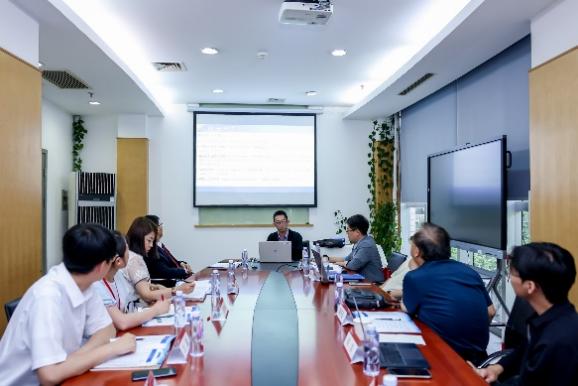
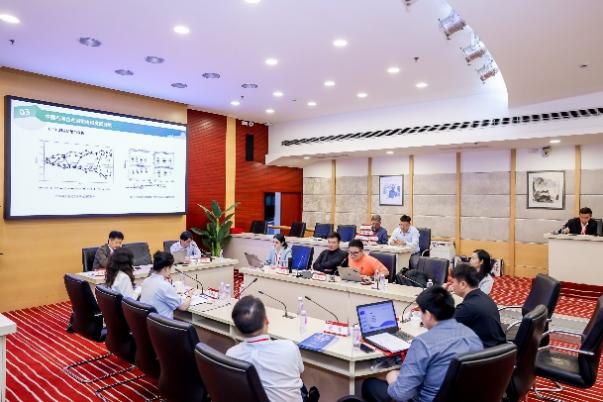
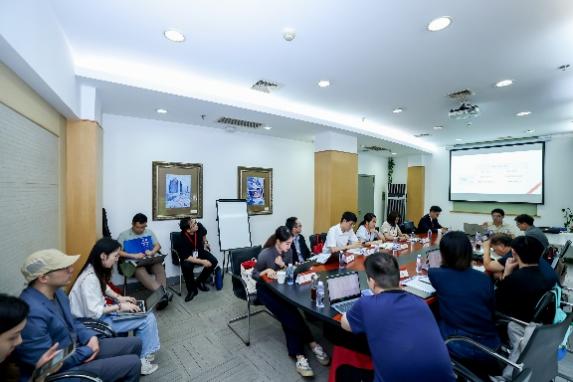
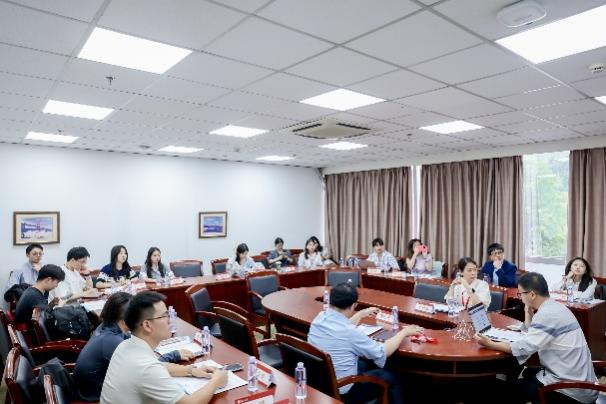
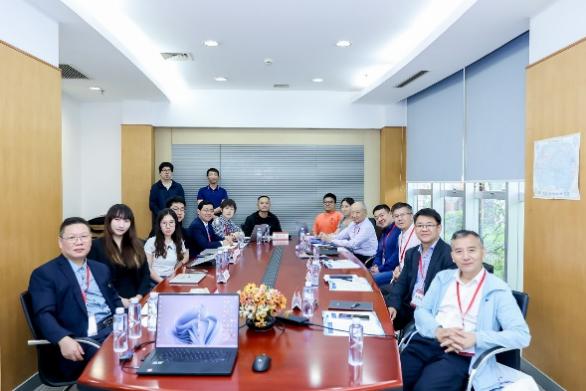
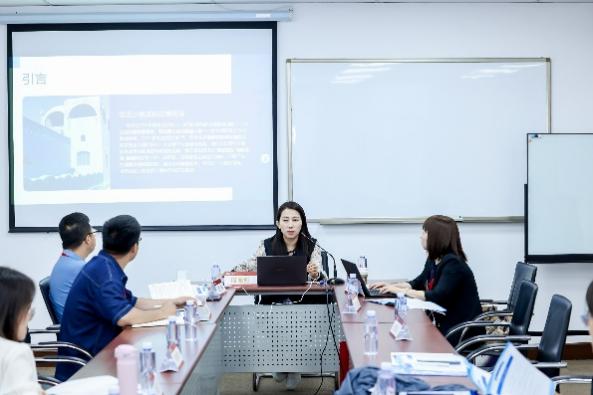
The closing ceremony was co-hosted by Prof. Zou Zhiqiang and Associate Prof. Zhang Chuchu, Deputy Director of CMES Fudan. Representatives from each of the seven panels presented summary reports, followed by the awards ceremony for the graduate student paper competition.
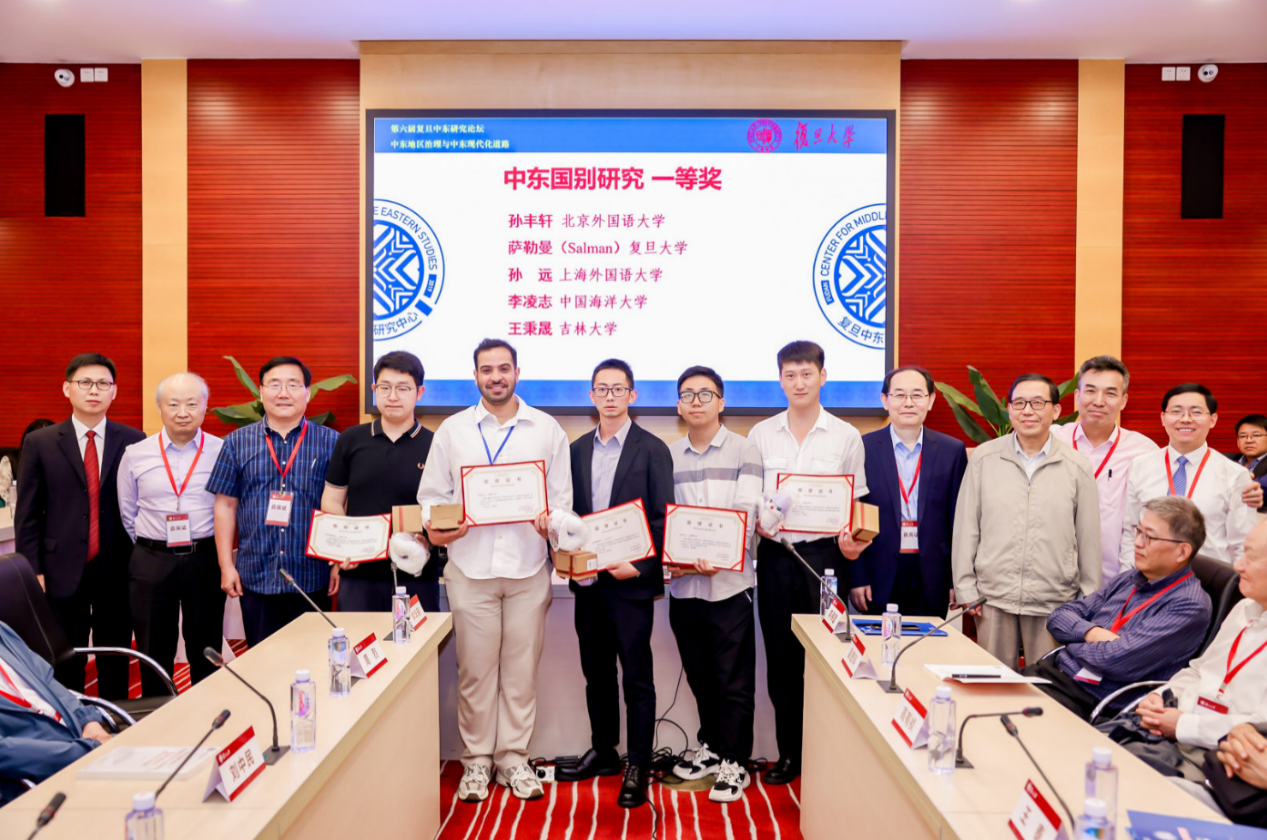
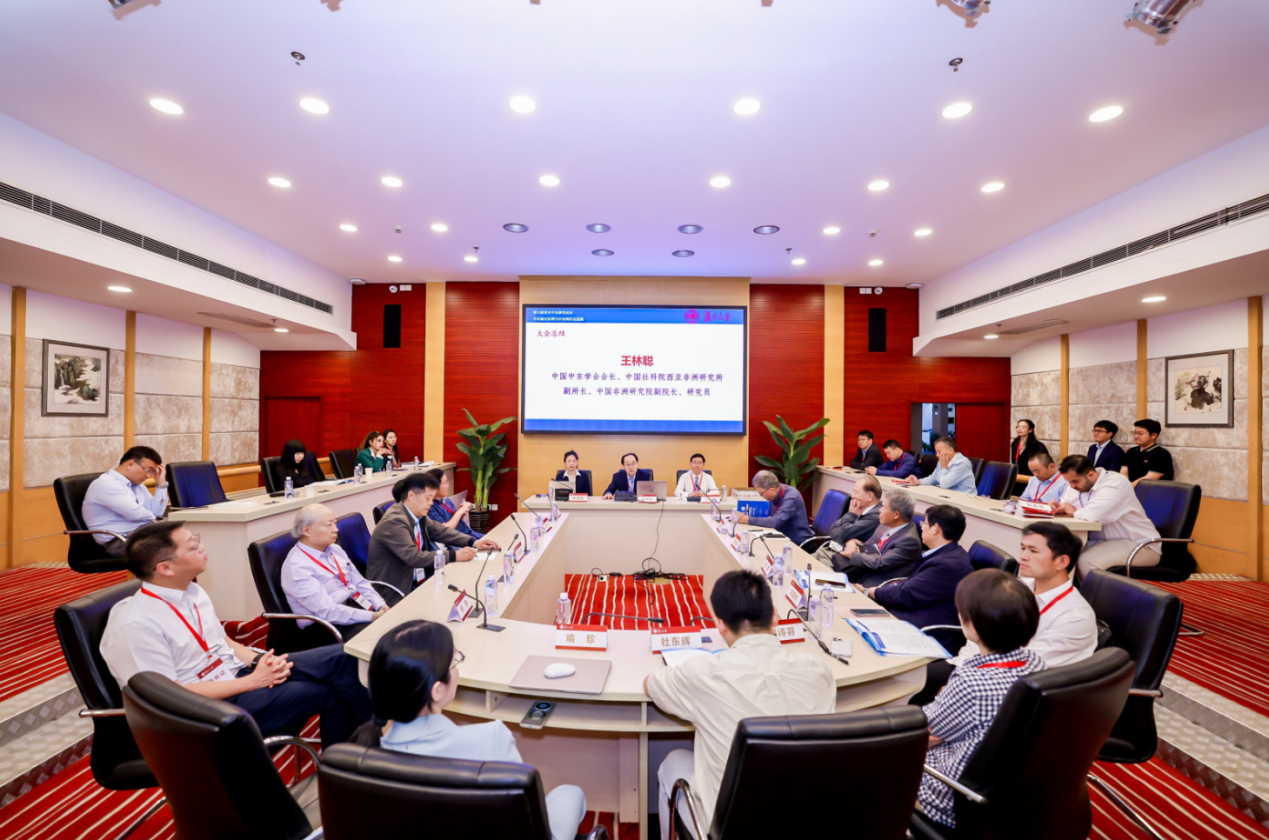
In his concluding remarks, Prof. Wang Lincong praised the forum for its rich content, wide-ranging topics, and emphasis on academic rigor, practical relevance, and inclusiveness. He also highlighted the forum’s contributions to innovation in knowledge, theory, and methodology. He called for enhanced planning, strengthened collaborative research, and systematic development of China’s Middle East studies. Prof. Wang encouraged young scholars to integrate foundational research with fieldwork, broaden their perspectives, and improve their ability to serve national needs.
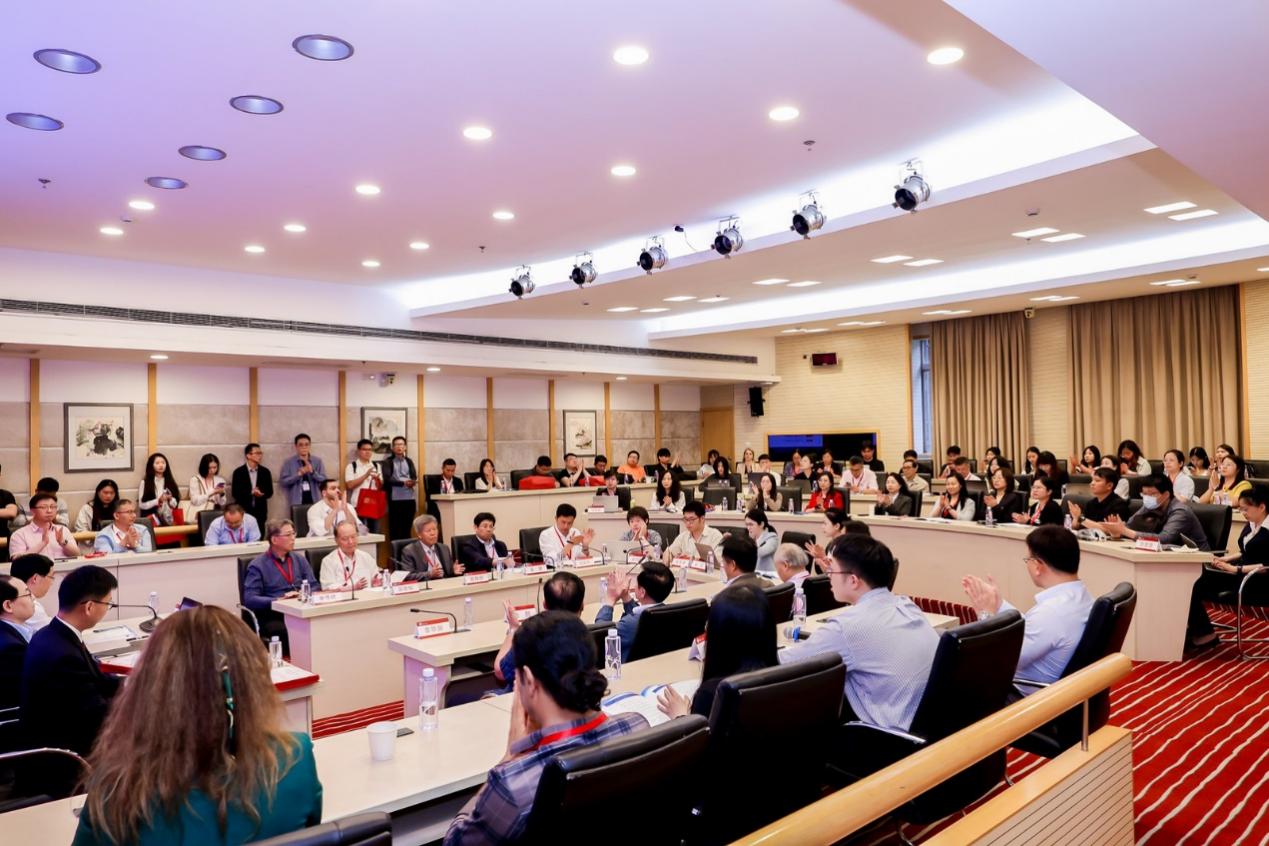
In his closing speech, Prof. Sun Degang urged young scholars to step out of their comfort zones, adopt interdisciplinary methods, and explore new frontiers in building a global scholarly community dedicated to Middle East studies.
Established in 2020, CMES Fudan joined the Ministry of Education’s Middle East Research Consortium in 2023, became a founding Chinese think tank in the China–Arab Think Tank Alliance in 2024, and was included in the China–Arab Academic Alliance for Civilizational Exchange and Mutual Learning in 2025. Since its founding, the Fudan Forum on Middle Eastern Studies has been successfully held six times. The Forum serves as a platform for academic exchange among scholars at all career stages, promotes the dissemination of new research, supports mentorship and talent development, and fosters interdisciplinary and cross-regional collaboration in advancing Middle East area studies.