One of the foundational pillars of the Library of the Institute of International Studies at Fudan University (IIS Fudan Library), is the collection of books and documents on the Korean Peninsula preserved by the Center for Korean Studies at IIS Fudan (hereinafter “CKS Fudan”). Established in October 1992, the CKS Fudan has amassed over 15,000 volumes over the past three decades. The collection comprises donations from institutions such as the National Assembly Library of Korea, the National Institute of Korean History, the Korea Foundation, as well as from scholars including former vice president of Fudan University,professor Zhuang Xichang. It also includes book series published by the CKS Fudan itself, covering fields such as politics, diplomacy, history, philosophy, literature and so on. This makes it one of the most important repositories of Korean Peninsula-related research materials in China.
In celebration of Fudan University's 120th anniversary, the IIS Fudan Library is pleased to present a selection from this collection.
Books from Both Sides of the Peninsula: Unique North–South Blend
Among the most distinctive features of the IIS Fudan Library’s holdings is a set of more than 200 books and journals published in the Democratic People’s Republic of Korea (DPRK). These include Reminiscences of Kim Il Sung, Biography of Kim Il Sung, Kim Il SungWorks(available in Chinese, Korean, and English), Kim Jong Il: Successor and Developer of Juche Ideology, and Korea(journal). Spanning topics such as politics, diplomacy, biography, economics, and literature, these resources offer a rare and valuable window into North Korea’s ideological system and internal developments.
From Past to Present: Abundance of South Korean Materials
Publications from the Republic of Korea (ROK) account for more than 70% of the Korean Peninsula–related holdings in the IIS Fudan Library. The collection features key historical records such as Joseon Wangjo Sillok (Annals of the Joseon Dynasty), Ilseongnok (Daily Records of the Royal Secretariat), Seungjeongwon Ilgi (Diaries of the Royal Secretariat), and Bibyeonsa Deungnok (Records of the Border Defense Council). It also includes extensive archival compilations such as Old Korean Diplomatic Documents, Residency-General Documents, Unnam Syngman Rhee Documents, Chronological History of the Republic of Korea, Collected Materials on the 5.18Gwangju Uprising, Historical Materials on the Korean Independence Movement, Korean Literary Collections, Korean History, Collected Works of Toegye, and declassified documents from the U.S. Forces in Korea.
Among these, the Annals of the Joseon Dynasty, Ilseongnok, and Seungjeongwon Ilgi have been inscribed in UNESCO’s Memory of the World Register.
1. Joseon Wangjo Sillok(Annals of the Joseon Dynasty)
Designated as Korea’s National Treasure No. 151, the Annals of the Joseon Dynasty is a chronological of history with a long history and numerous volumes. Initiated in 1413, the annals document the reigns of 25 kings from Taejo to Cheoljong (1392–1863), comprising 1,893 volumes, 888 books, and 133,966 pages in the Taebaeksan edition. Other editions include the Jeongjoksan edition (1,181 books), Odaesan edition (27 books), and scattered volumes, totaling 2,077 books across all known editions.
The IIS Fudan Library holds a 49-volume facsimile edition (including one index), published by the National Institute of Korean History and printed by Tankyudang in 1986. This condensed version is not simply a reprint, but rather punctuation of the content, and is considered a new form of publication with a certain degree of explanatory translation..
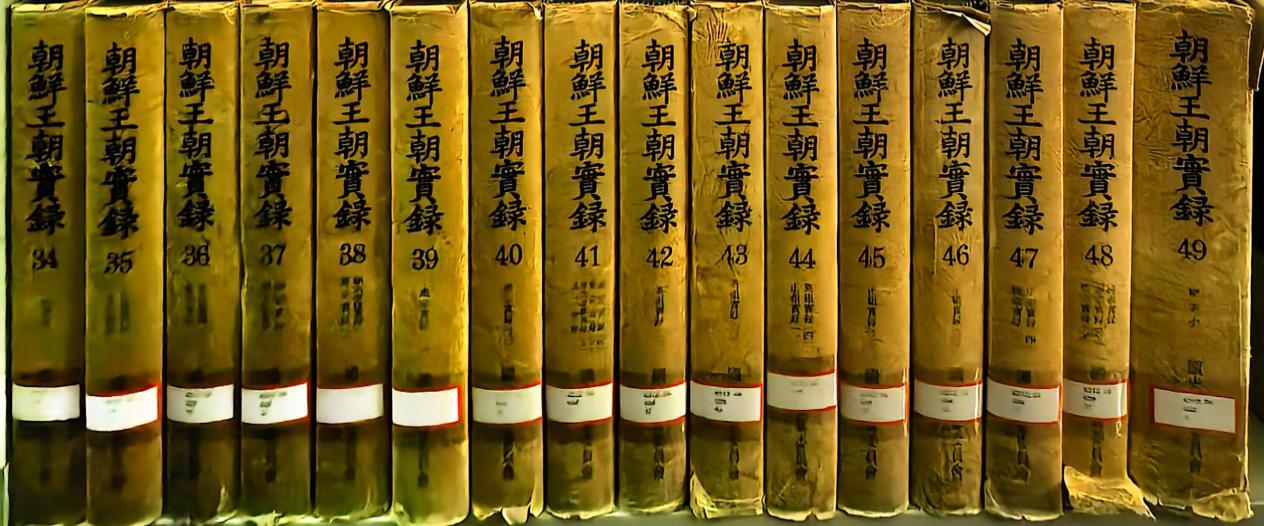
(IIS Fudan Library Collection: Annals of the Joseon Dynasty)
2. Bibyeonsa Deungnok(Records of the Border Defense Council)
Recognized as Korea’s National Treasure No. 152, the Bibyeonsa Deungnok is the official log of the Border Defense Council during the Joseon Dynasty. Existing records cover the years 1617–1892 and comprise 273 volumes. In addition to national defense, the logs detail political, economic, and diplomatic affairs, often providing more granular information than the Annals. These records were frequently used as source material in the compilation of the Annals and are considered essential for understanding the late Joseon period.
The IIS Fudan Library houses two editions: a 28-volume Classical Chinese facsimile published from 1980 by the National Institute of Korean History and Minjok Munhwa-sa; and a 30-volume bilingual edition (Classical Chinese with Korean translation), published beginning in 1989 by the Ministry of Education and the National Institute of Korean History, covering the years 1617–1731.
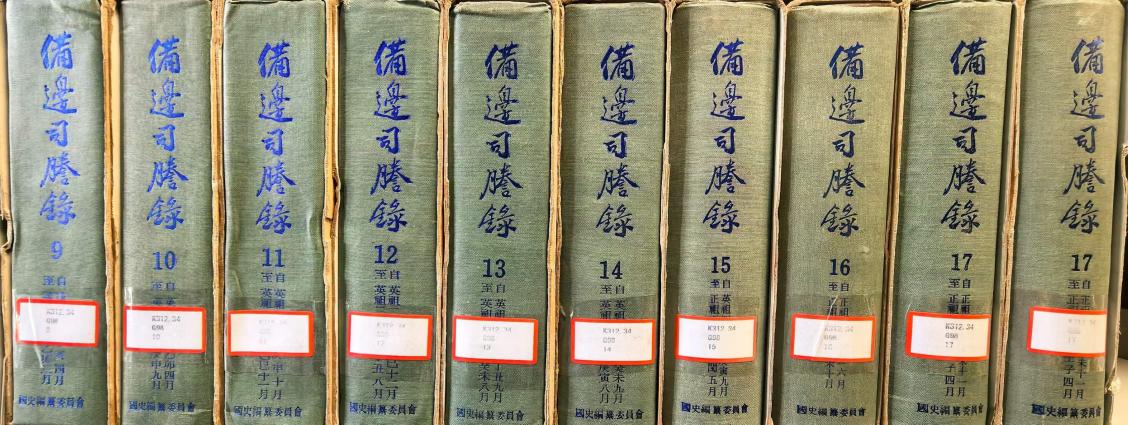
(IIS Fudan Library Collection: Bibyeonsa Deungnok)
3. Ilseongnok (Daily Records of the Royal Secretariat)
Designated as Korea’s National Treasure No. 153, the Ilseongnok documents the daily actions and remarks of Joseon monarchs from 1760 to 1910, spanning more than 150 years. The surviving manuscript comprises 2,329 volumes, with only 21 months missing. Initiated by King Jeongjo, who had a habit of writing diaries as a crown prince, the records were institutionalized upon his ascension in 1776 and compiled every five days for royal review.
The IIS Fudan Library holds photocopy volumes for the years 1752–1785, published by the Korean National Culture Promotion Association.
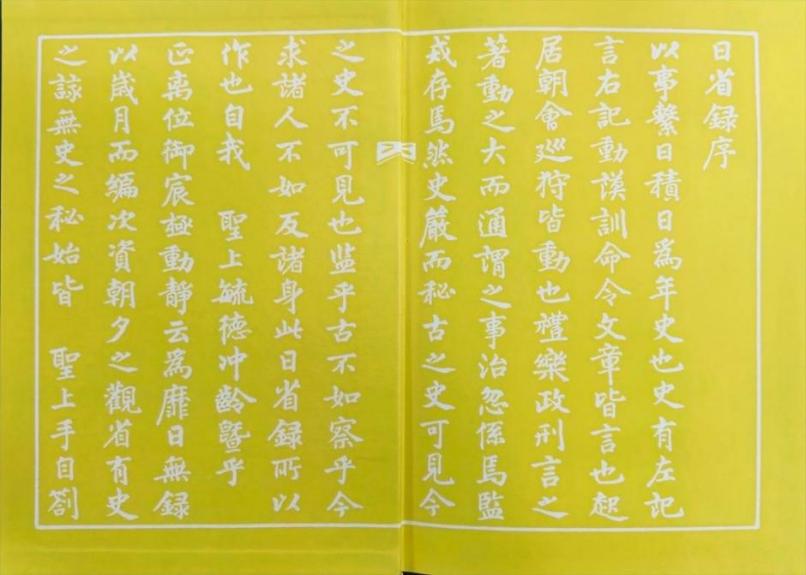
(IIS Fudan Library Collection: Ilseongnok)
4. Seungjeongwon Ilgi (Diaries of the Royal Secretariat)
Designated as Korea’s National Treasure No. 303, the Seungjeongwon Ilgi is the most voluminous surviving official record set from the Joseon Dynasty. The Seungjeongwon, established under King Jeongjong, served as the royal secretariat. Records span from 1623 (the first year of King Injo’s reign) to 1894 (the 31st year of King Gojong’s reign), and include entries from successor institutions such as the Seungseonwon, Gungnaebu, and Gyujanggak through to 1910. The full series contains 3,243 volumes.
These diaries were primary sources for the Annals and contain rich documentation on topics such as traditional medicine, royal succession, classical literature, and calendar reform. The IIS Fudan Library collection includes more than 200 volumes from the reigns of Injo, Yeongjo, Jeongjo, and Gojong, published by the Korean National Culture Promotion Association.
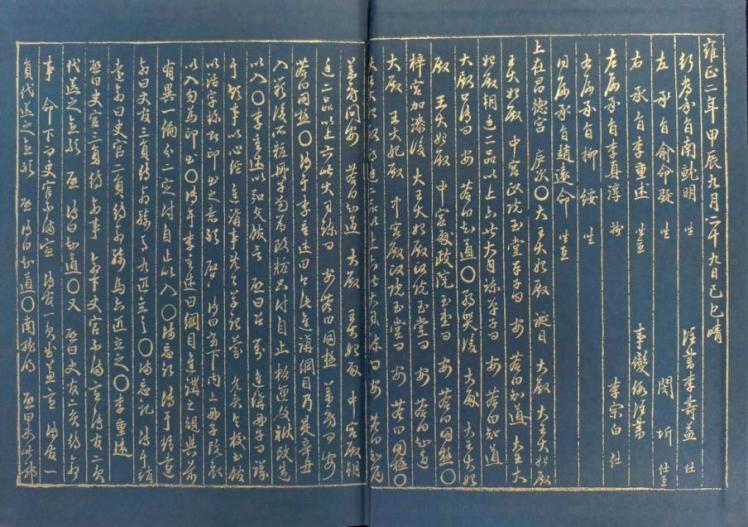
(IIS Fudan Library Collection: Seungjeongwon Ilgi)
Multilingual Resources: A Diverse Array of Journals
The CKS Fudan also curates a wide range of academic journals relevant to Korean Peninsula studies. These include CSSCI, SSCI, and KCI indexed titles such as Chinese Journal of Korean Studies (CSSCI), 『한국과국제정치』 (KCI), and Asian Perspective (SSCI).
The Chinese Journal of Korean Studies(CJKS)founded in 1995 and published by the CKS Fudan, is a leading academic journal specializing in Korean peninsula study. Since 2005, it has been indexed in the Chinese Social Sciences Citation Index (CSSCI). Published biannually since 2013, the journal features three thematic sections: Politics, Diplomacy & Security; History, Philosophy & Culture; and Society, Economy & Management. As of mid-2025, 45 issues have been published. The CJKS is indexed by CNKI and Wanfang, and is the only CSSCI source collection in the Korean Peninsula field in China, highly favored and concerned by relevant researchers.
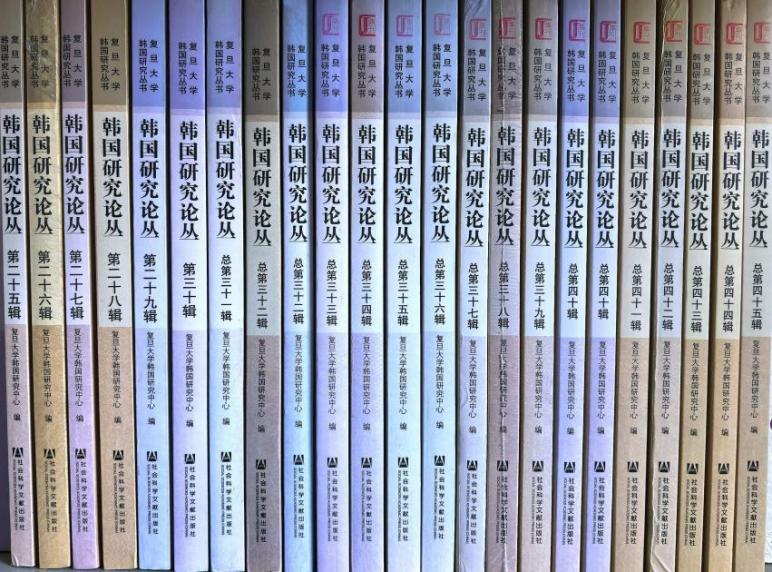
(The Chinese Journal of Korean Studies)
Conclusion
Bringing together the shared historical legacies of both North and South Korea, this collection serves as a vital bridge of knowledge across the Korean Peninsula. Scholars and readers interested in Korean studies are welcome to consult these resources at the IIS Fudan Library. The CKS Fudan also welcomes contributions and donations to further expand and enrich the collection.