From November 11 to 15, 2025, an academic delegation from the Institute of International Studies, Fudan University (IIS Fudan), visited Bengaluru and New Delhi at the invitation of the India Foundation and other partners. The delegation was organized by Professor Zhang Jiadong, Director of the Center for South Asian Studies at IIS Fudan, and included Professor Qi Huaigao (Vice Dean of IIS Fudan), Professor Guo Dingping (School of International Relations and Public Affairs, former Vice Dean of IIS Fudan), Associate Professor Jian Junbo (Director, Center for China–Europe Relations at IIS Fudan), and Associate Professor Wen Yao (Center for American Studies at IIS Fudan).
The visit focused on China–India relations in a changing geopolitical context, prospects for Asian cooperation, and both countries’ assessments of global and regional developments. The agenda was intensive, substantive, and highly productive.
November 11–12: Meetings with Government Officials and Enterprises in Bengaluru
Arriving at Kempegowda International Airport early on November 11, the delegation began its visit with a meeting at BEST Innovation University. Throughout the day, they held discussions with senior government officials and private-sector leaders.
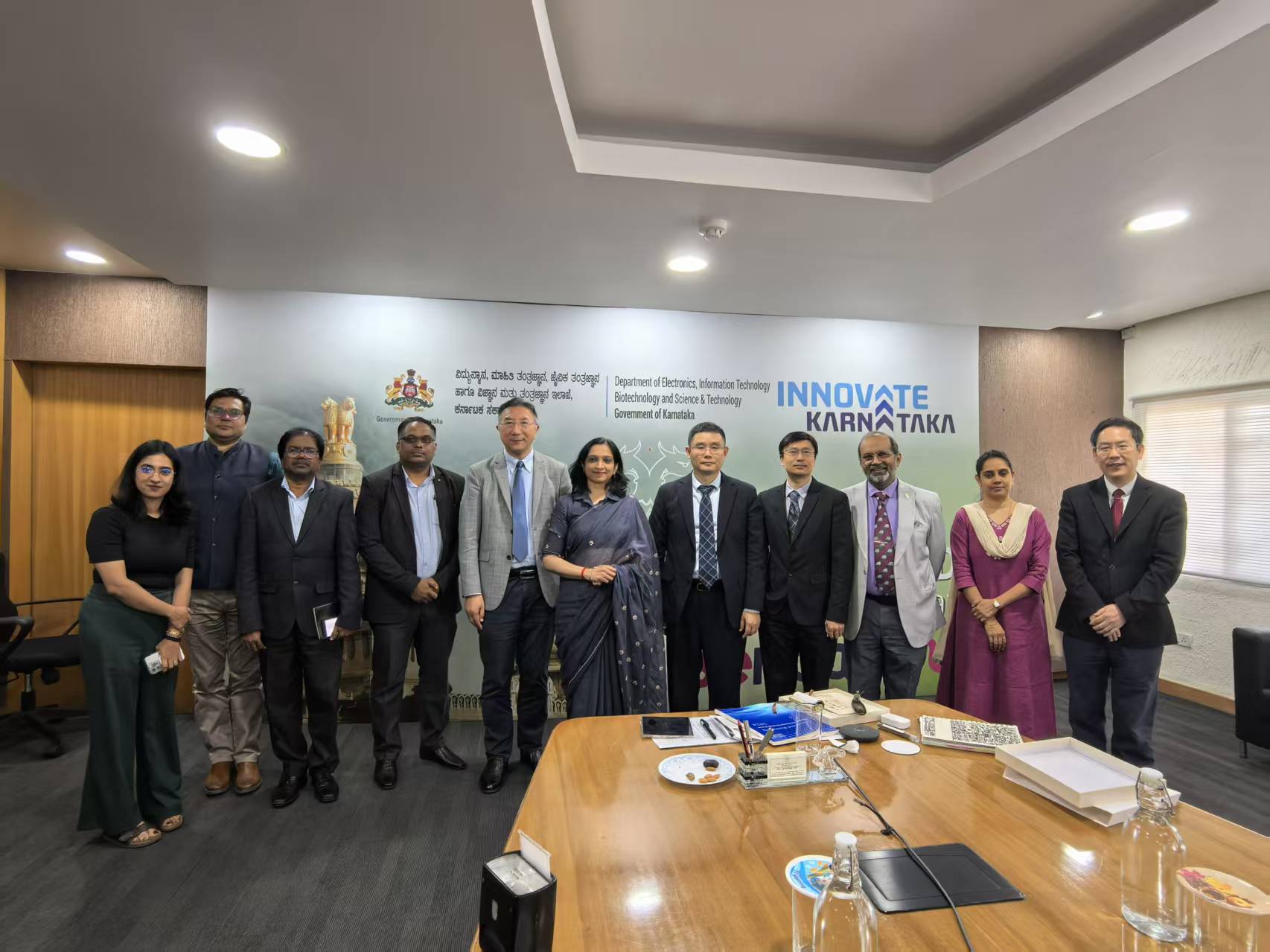
(Meeting with Ms. Manjula N, Secretary, Department of IT & BT, Government of Karnataka)
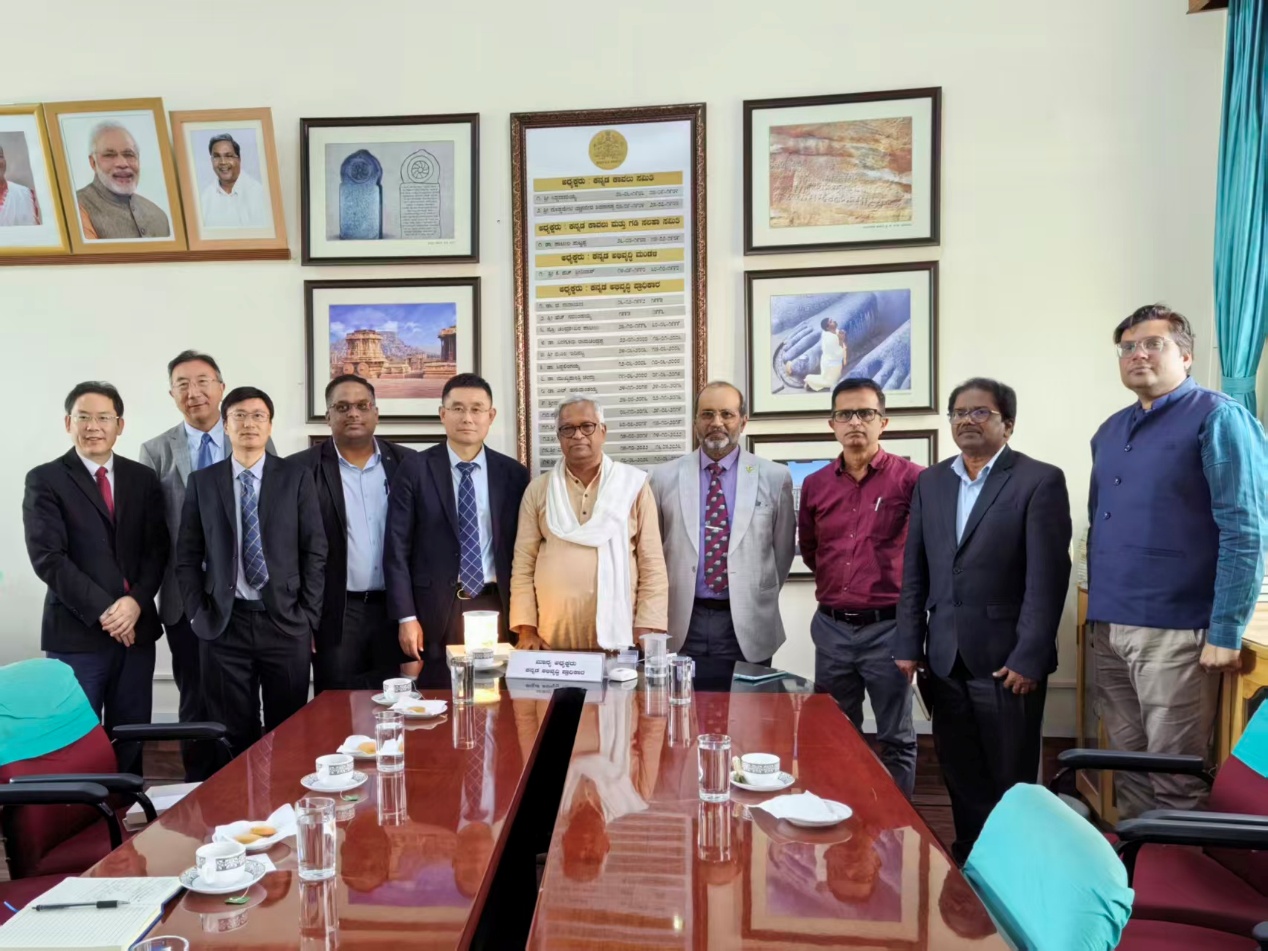
(Meeting with Dr. Purshothama Bilimale, Chairperson, Kannada Development Authority)
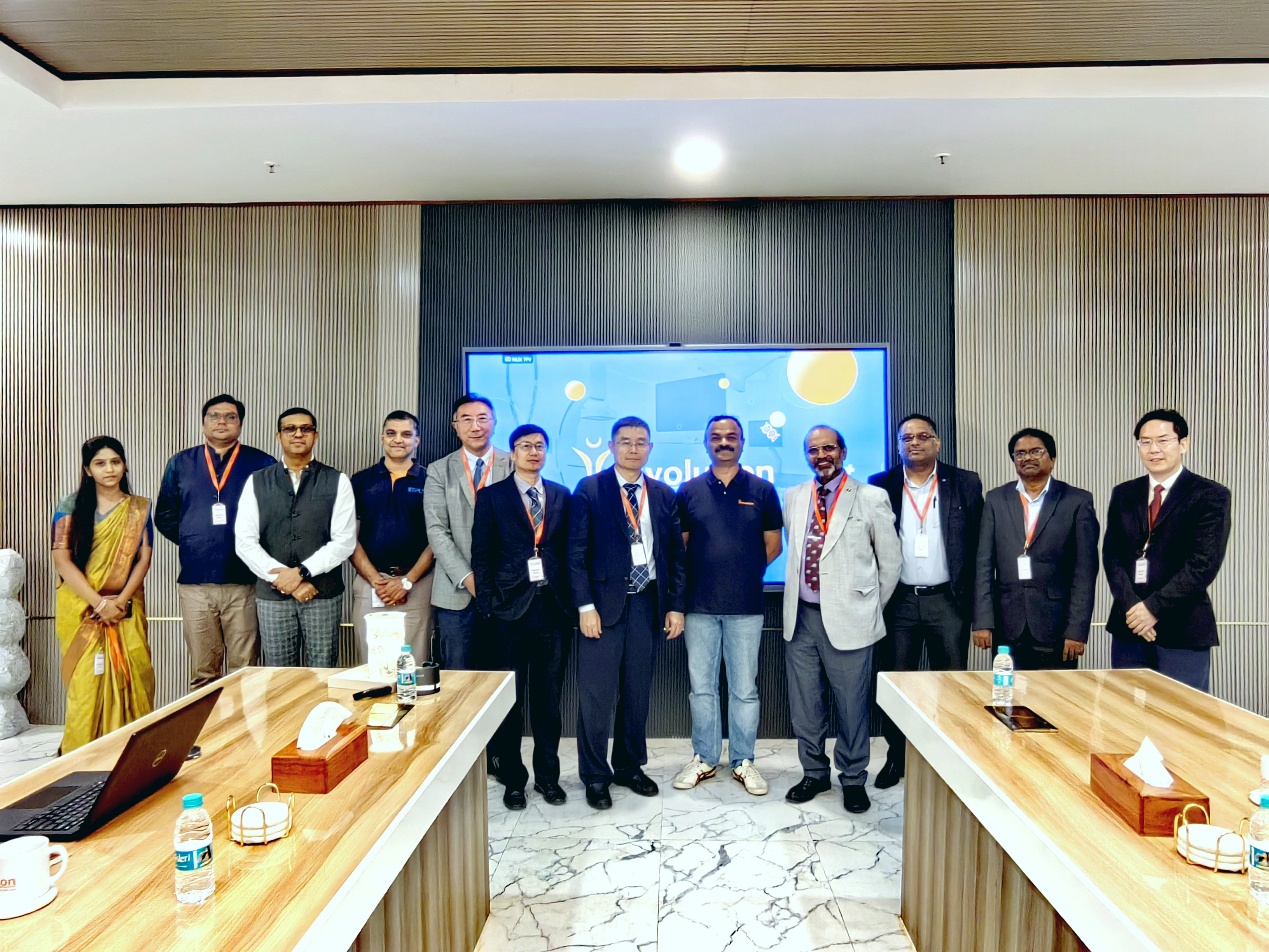
(Discussion at Innvolution Health Care Pvt. Ltd.)
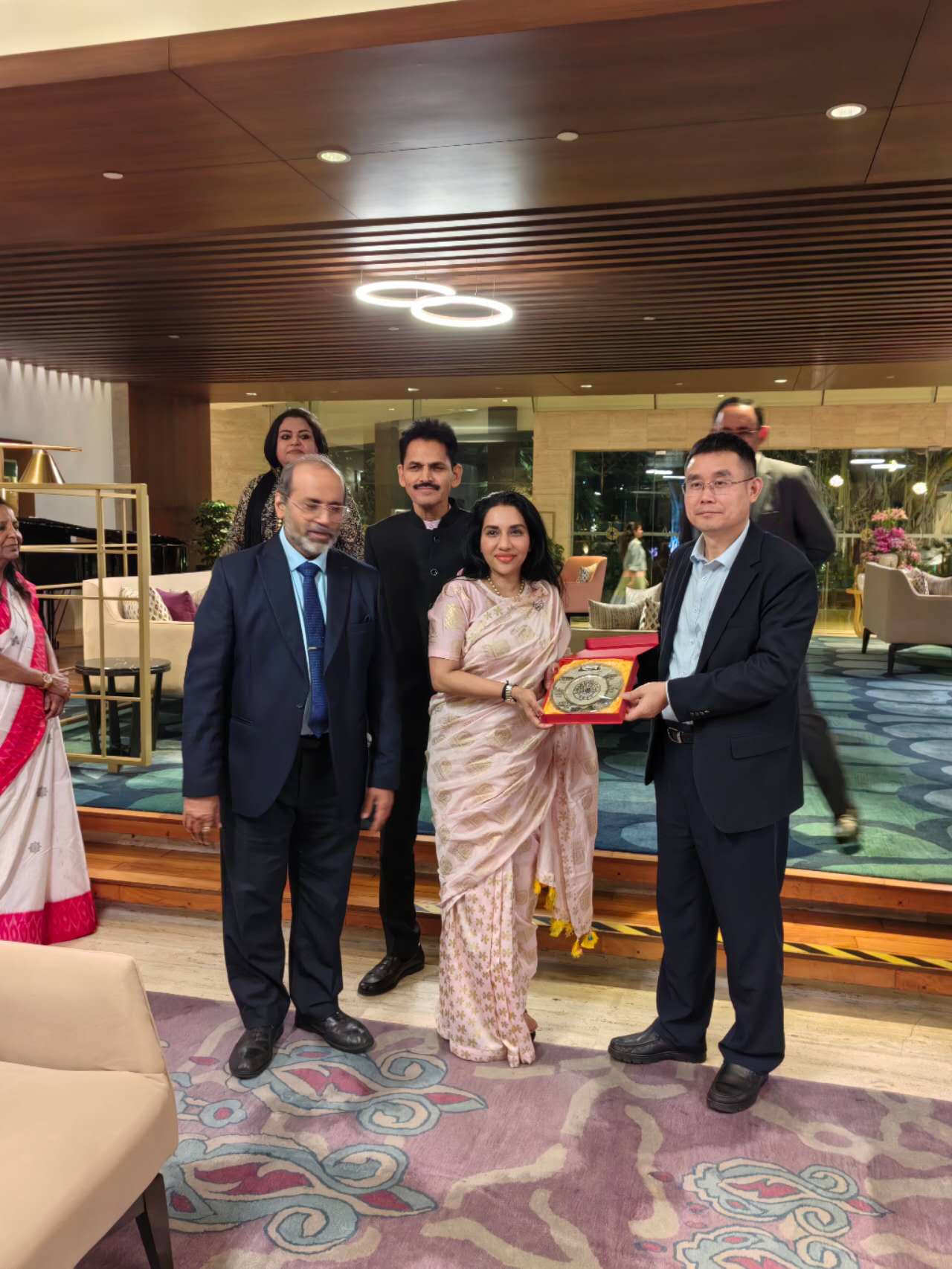
(Exchange with Dr. Rupa Vasudevan, Founder & Chancellor, BEST Innovation University)
November 12: Academic Exchange with the National Institute of Advanced Studies
On November 12, the delegation held a roundtable with Dr. Suba Chandran, Dean of the School of Conflict and Security Studies at the National Institute of Advanced Studies (NIAS), Indian Institute of Science. The discussion covered global security challenges, South Asian regional dynamics, and prospects for deepening think tank cooperation between China and India.
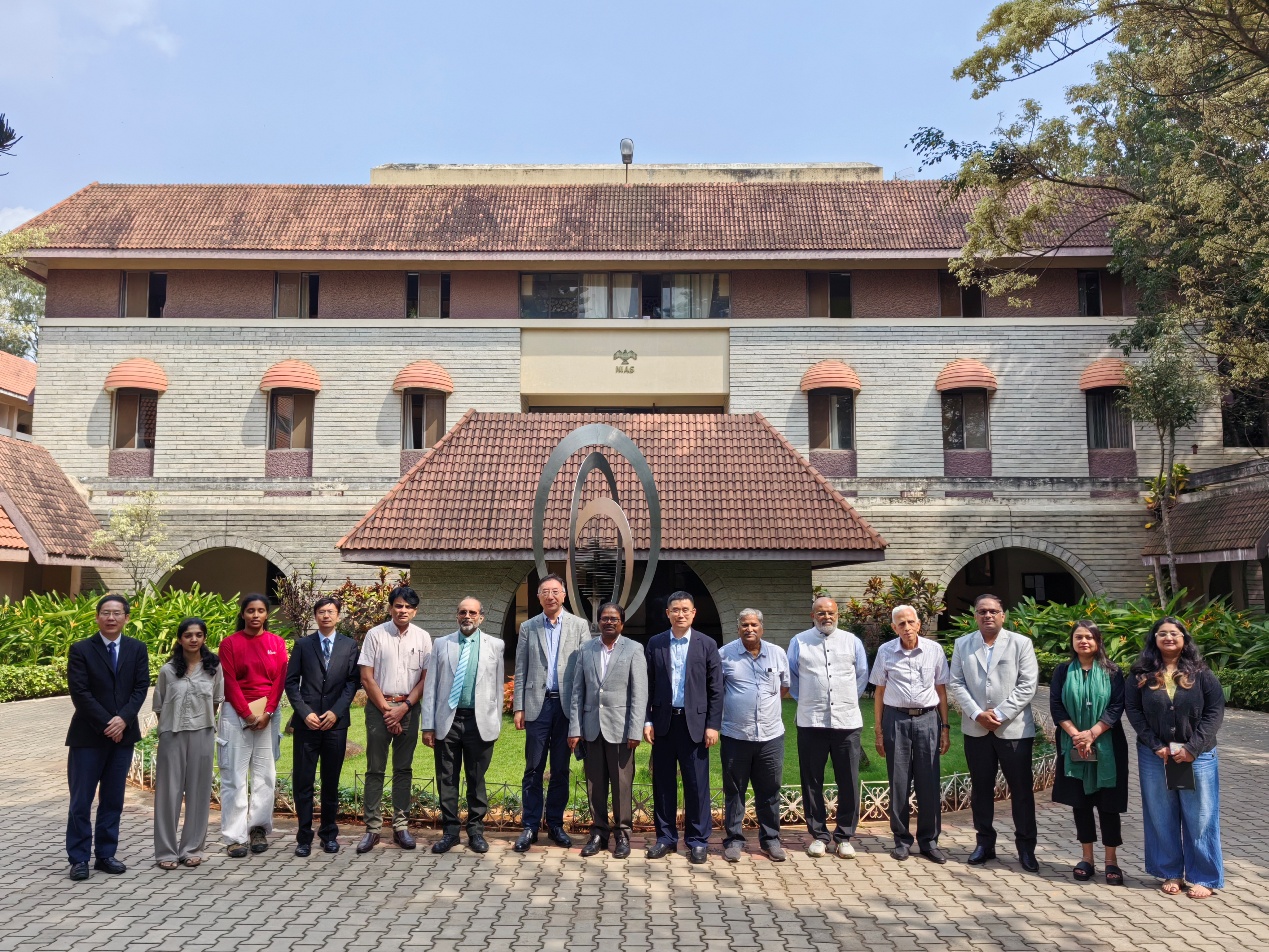
(November 12: Group photo after the exchange with NIAS)
November 13: Participation in the 10th Fudan University-India Foundation Bilateral Dialogue in New Delhi
The delegation attended the 10th Fudan University-India Foundation Bilateral Dialogue (China–India Relations Dialogue), co-organized by Fudan University and the India Foundation. Participants engaged in candid and constructive discussions on a wide range of issues, including the boundary question, economic cooperation, the Indo-Pacific, and coordination within multilateral mechanisms. The dialogue produced several shared understandings.
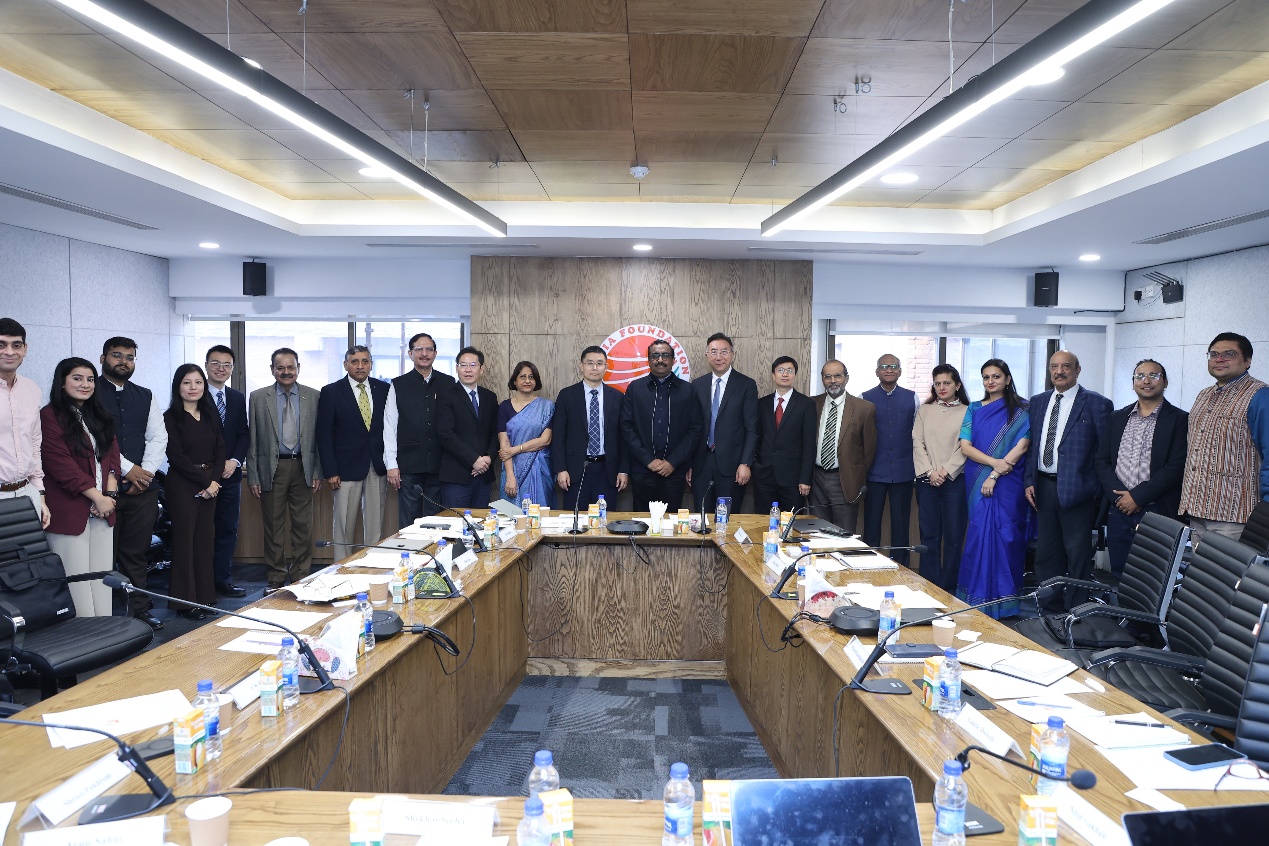
(Group photo at the 10th Fudan University-India Foundation Bilateral Dialogue)

(Group photo at the 10th Fudan University-India Foundation Bilateral Dialogue)
November 14 Morning: Visit to the Institute for Defence Studies and Analyses
The delegation visited the Manohar Parrikar Institute for Defence Studies and Analyses (IDSA), where they met with Dr. Prashant Kumar Singh, Coordinator of the East Asia Centre, and his research team. The two sides exchanged views on China–India engagement within the Indo-Pacific framework, regional security architecture in East Asia, and possibilities for aligning the Belt and Road Initiative with India’s connectivity goals. IDSA Director General Ambassador Sujan R. Chinoy hosted a luncheon in honor of the delegation.
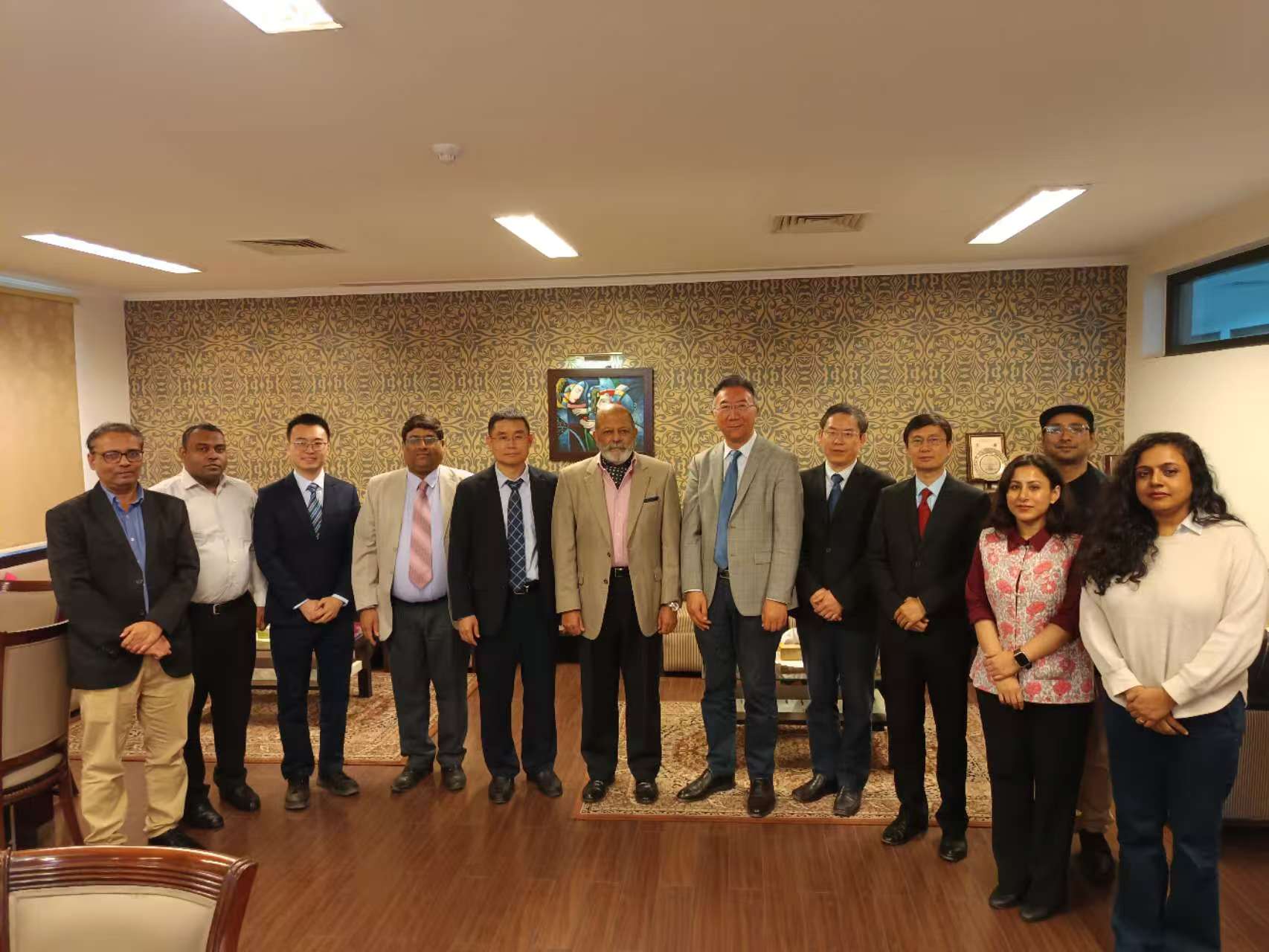
(November 14: Group photo after the discussion at IDSA)
November 14 Afternoon: Exchange with Jawaharlal Nehru University
The delegation visited the School of International Studies at Jawaharlal Nehru University (JNU), where they engaged with more than 60 faculty members and students.
The Fudan scholars presented China’s perspectives on the latest outcomes of the Fourth Plenary Session of the 20th CPC Central Committee, China’s evolving foreign policy, and its views on South Asia, the United States, Europe, and Northeast Asia. JNU scholars and students shared their insights on the Indo-Pacific strategy, China’s rise, and developments on the China–India border.
The exchange was dynamic, with active participation during the Q&A session. Many JNU students expressed strong interest in future academic cooperation with Fudan University.
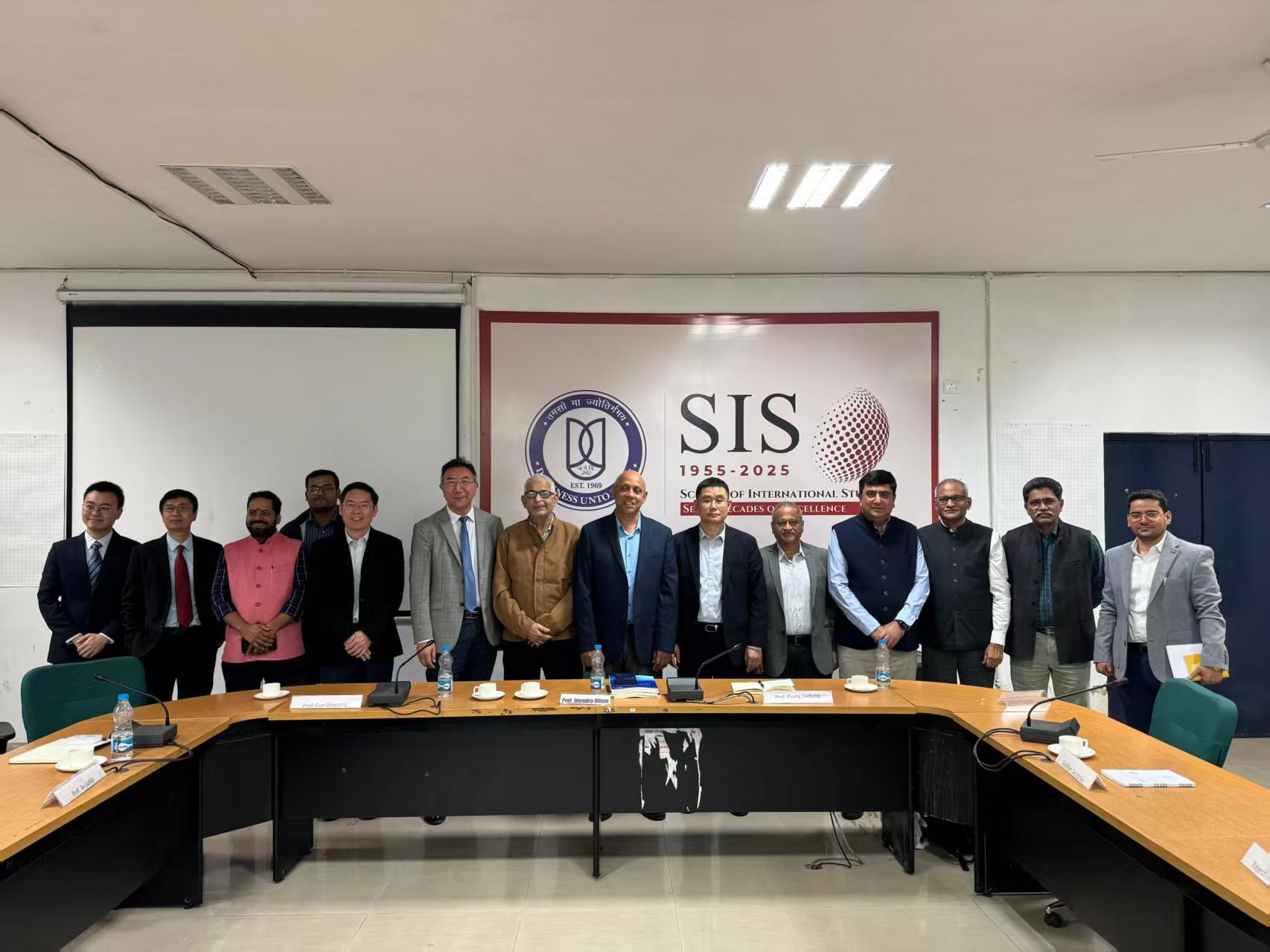
(Group photo after the exchange with JNU faculty and students)
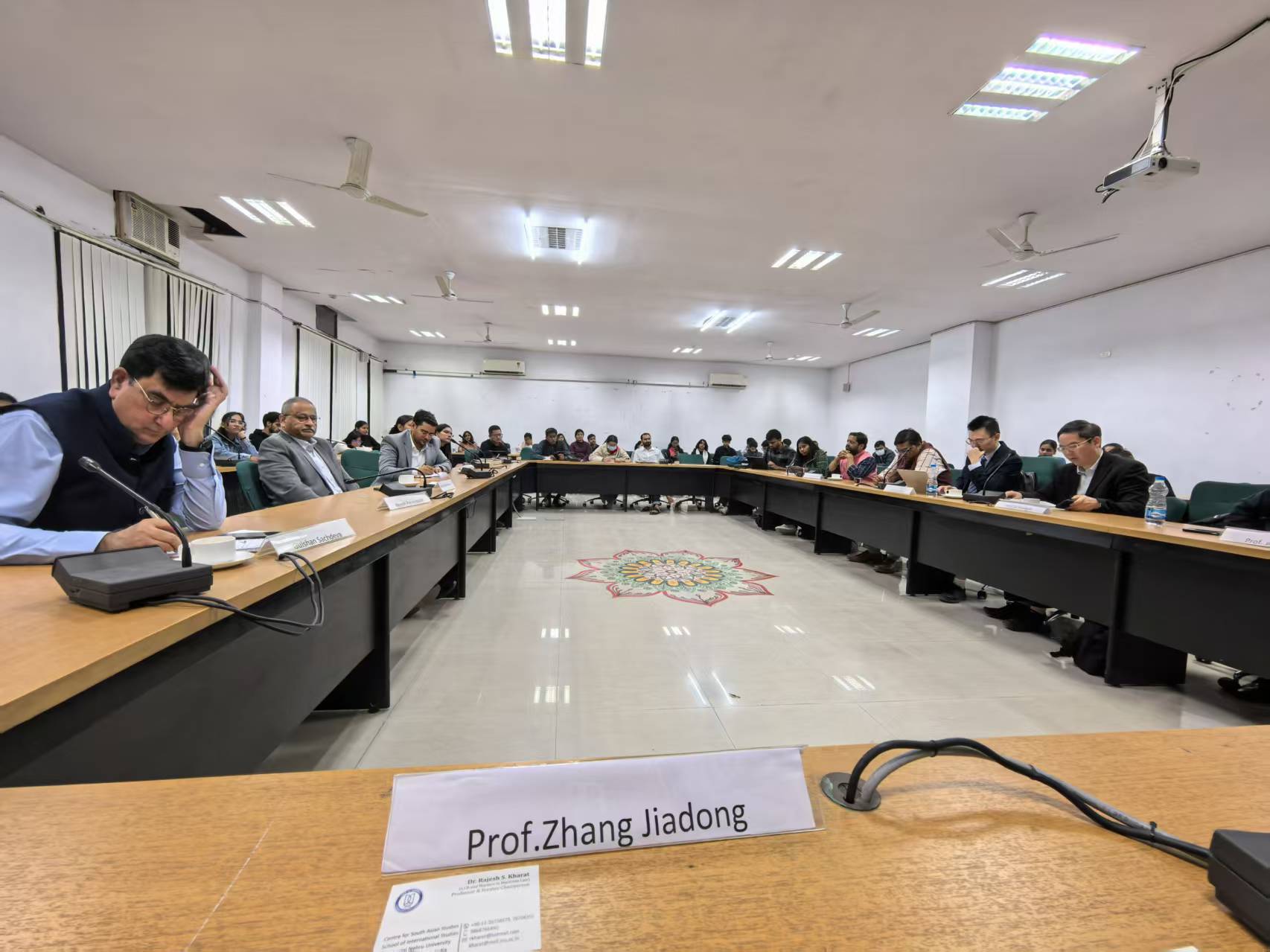
(On-site discussion with JNU faculty and students)
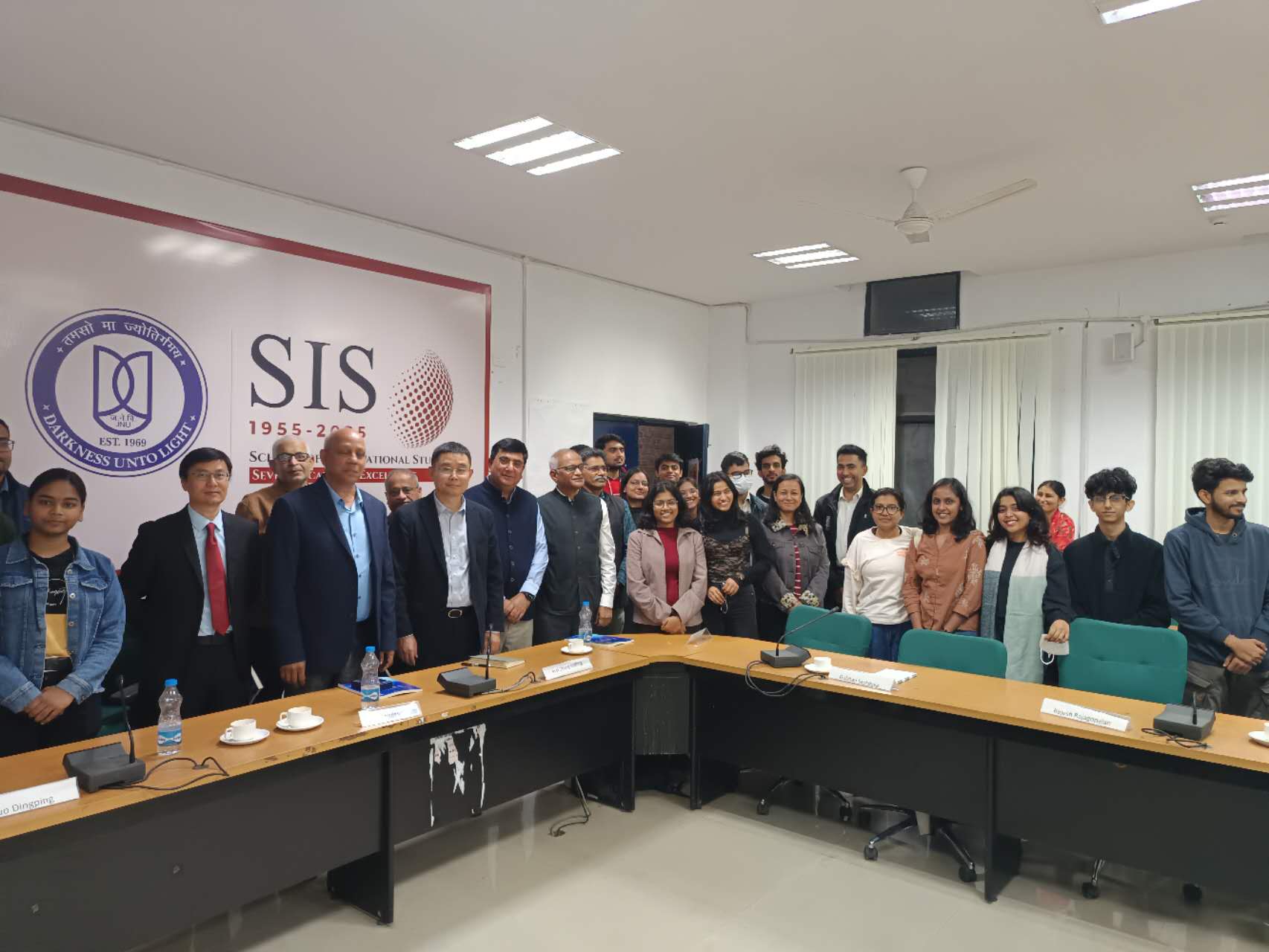
(Group photo after the exchange with JNU faculty and students)
Conclusion
The IIS Fudan delegation’s visit to India was focused, efficient, and highly fruitful. Through in-depth exchanges with government officials, policy institutions, and top universities, the delegation enhanced mutual understanding and laid the groundwork for further strategic trust and practical cooperation between China and India.
Importantly, the dialogues extended beyond traditional bilateral issues to include each country’s perspectives on global governance, regional security hotspots, and political development models. The visit exemplified the goal of “viewing China–India relations beyond a bilateral lens, and interpreting global affairs through national contexts.” Several follow-up cooperation initiatives are already underway.