At noon on 19 December 2025, the 86th session of the Youth Academic Workshop on International Studies of Fudan University (YAWIS Fudan), organised by the Institute of International Studies, Fudan University (IIS Fudan), was held in Conference Room 324 of the Wenke Building on the Handan Campus. The session, themed “Innovation and Impact in Cultural Diplomacy: The Case of Indonesia,” featured a keynote presentation by Associate Professor Endah Triastuti from the Department of Communication, Faculty of Social and Political Sciences, Universitas Indonesia. The event was moderated by Associate Professor Xue Song from the IIS Fudan.
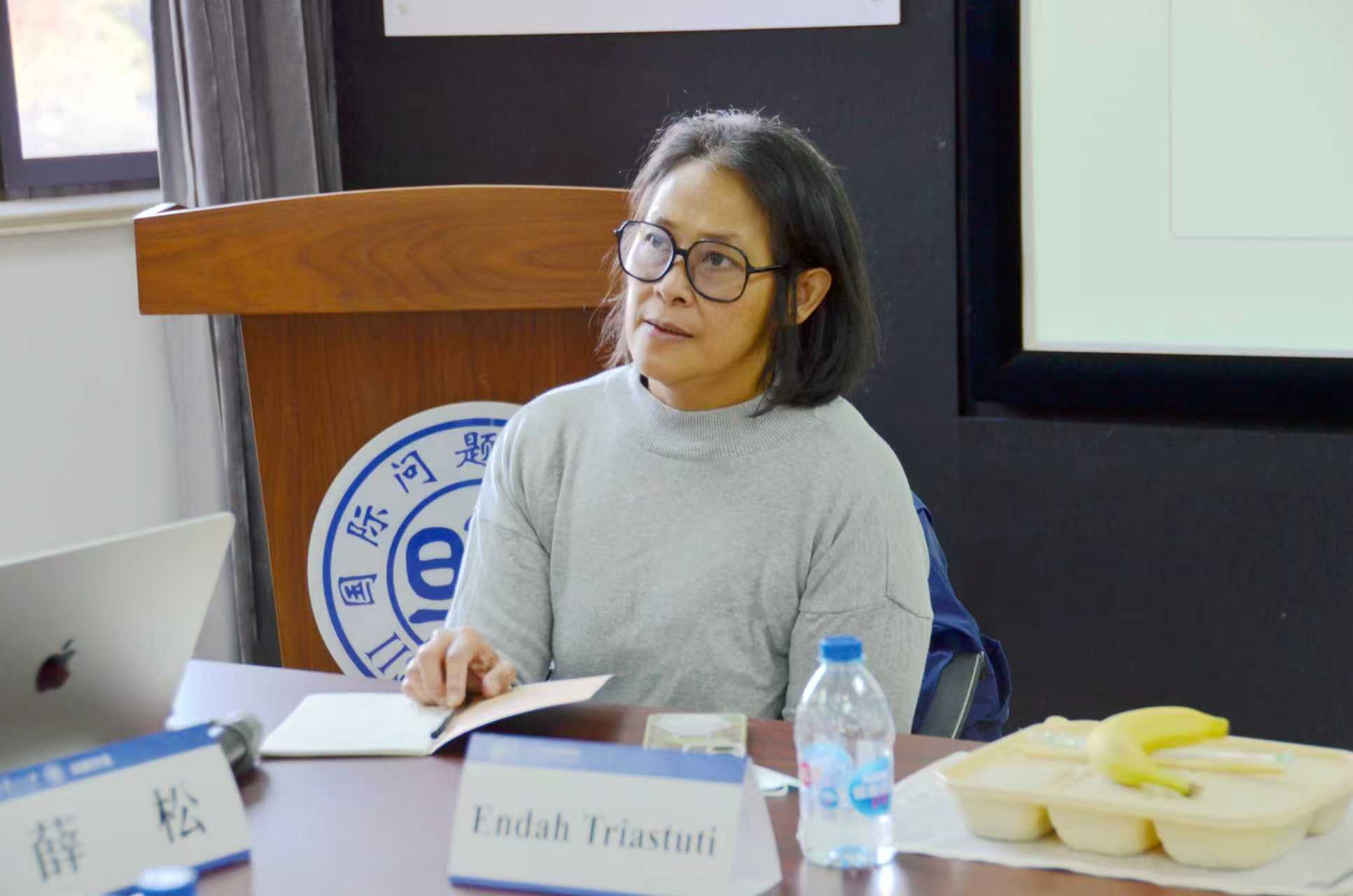
(Associate Professor Endah Triastuti delivering the lecture)
Associate Professor Triastuti began by examining the relationship between soft power and cultural communication, emphasizing that “where culture travels, power follows.” She argued that, against the backdrop of digital transformation and algorithm-driven communication structures on social media platforms, contemporary cultural diplomacy is increasingly characterized by decentralization, multi-actor participation, and interactive engagement. Using Indonesia as a case study, she analyzed how digital platforms have enabled grassroots cultural creators, youth communities, and local cultural elements to gain global visibility, thereby generating a form of “DIY cultural diplomacy” marked by authenticity, emotional resonance, and active participation.
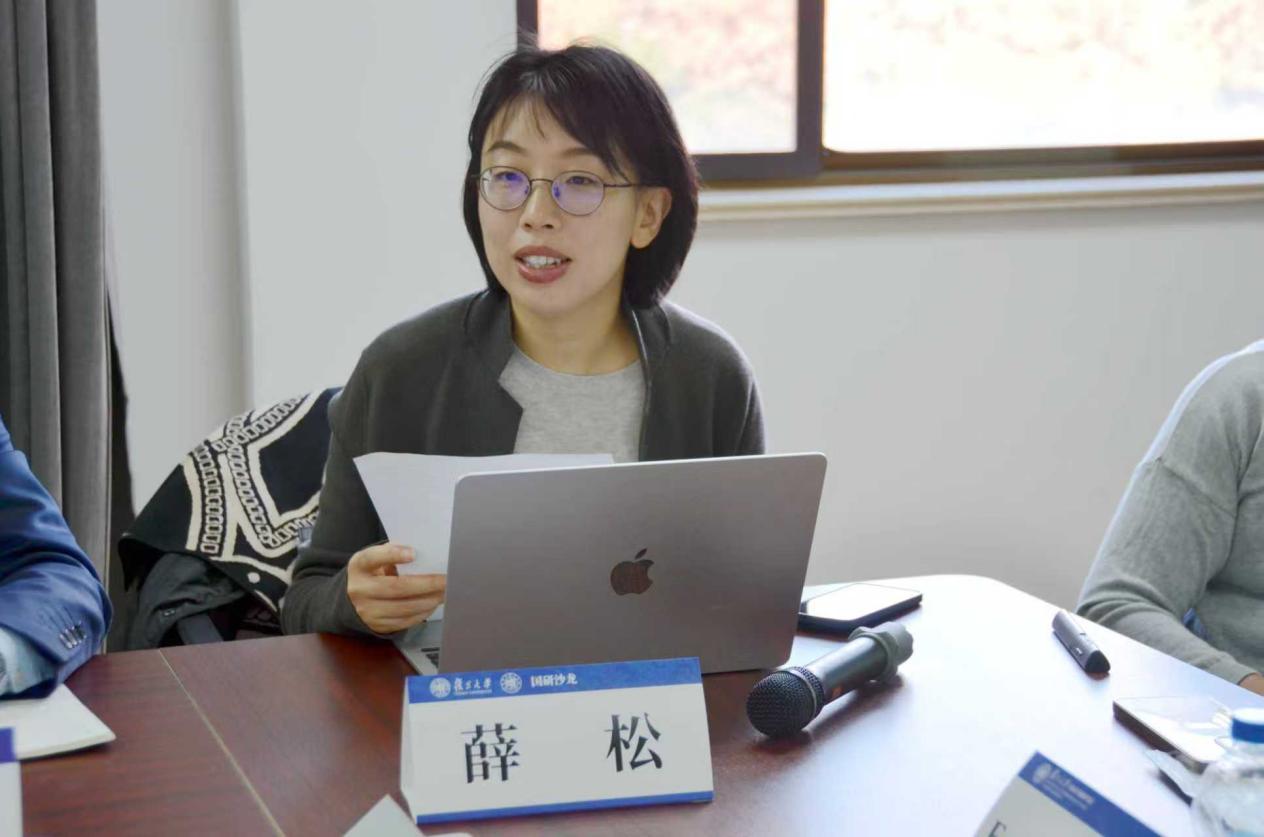
(The moderator, Associate Professor Xue Song)
Associate Professor Triastuti further explored how algorithmic recommendation systems intersect with the aesthetics, identity expression, and emotional public sphere of younger generations, reshaping the production, dissemination, and reception of culture. Drawing on examples of Indonesian youth creators on platforms such as TikTok, she illustrated how hybrid cultural identities are constructed and how everyday life and local cultural experiences are presented to international audiences. This process, she noted, not only shapes global perceptions of Indonesian culture but also, to some extent, becomes a source of national cultural capital and a resource for public diplomacy. At the same time, she cautioned that algorithmic preferences and market logic may also result in standardization, trend dependency, and the erosion of authenticity—issues that merit continuous reflection.
During the discussion session, participating faculty and students engaged in in-depth exchanges on topics including digital cultural governance, competition in soft power, and potential pathways for enhancing cultural exchange between China and Indonesia.
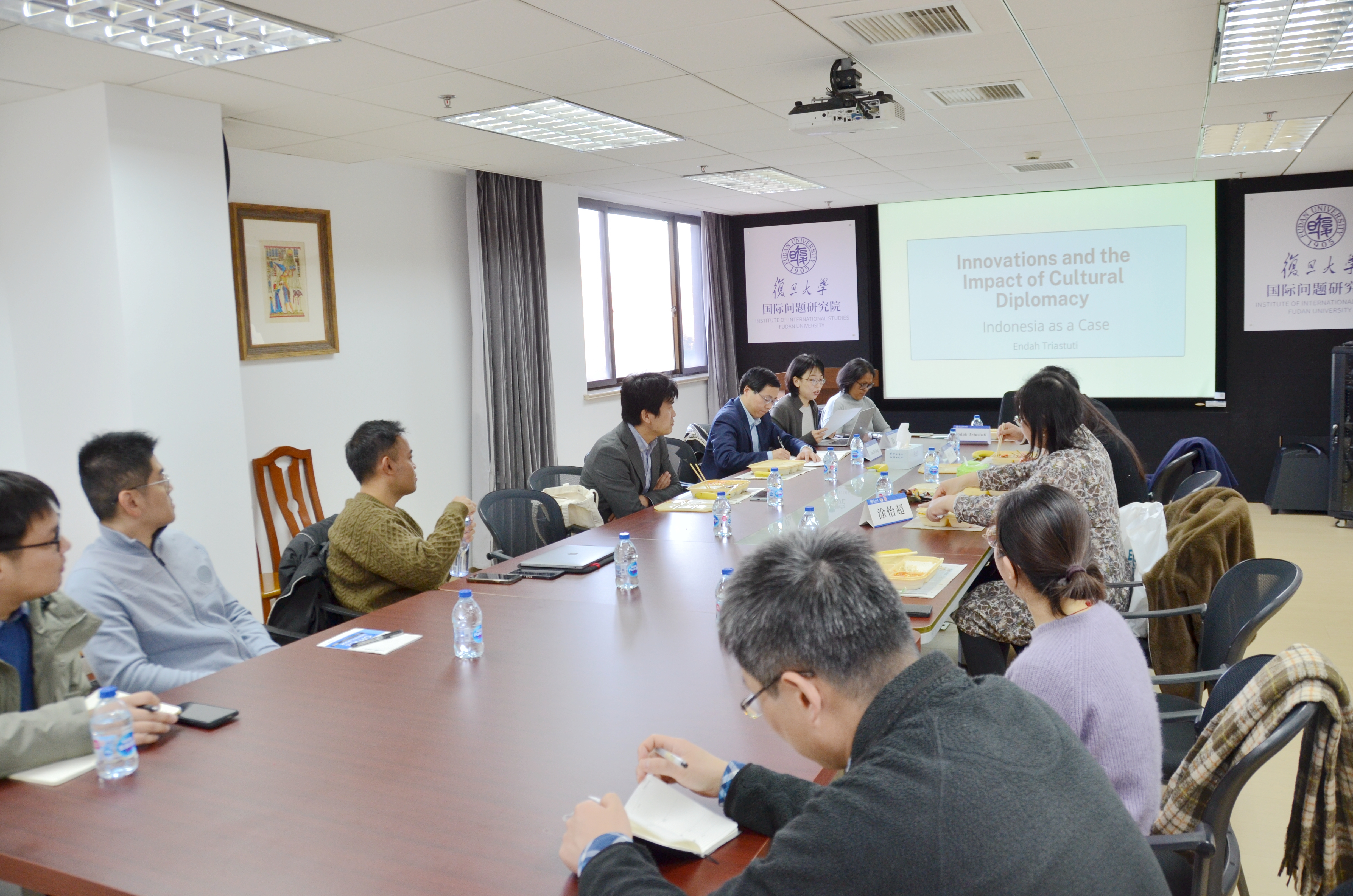
(Discussion session)
Through the Indonesian case, this session provided a nuanced exploration of the new logic and emerging tools of cultural diplomacy in the digital era. It offered valuable perspectives for understanding the evolving dynamics of soft power amid global transformations and shed new light on sociocultural change in Southeast Asia and its broader international implications.