On December 26, 2025, the 87th Youth Academic Workshop on International Studies (YAWIS Fudan) was held in Room 324 of the Wenke Building at Fudan University. Centered on the theme “Field Research Notes on Europe and Latin America amid Geopolitical Competition,” the workshop featured presentations by Associate Professor Jian Junbo, Director of the Center for China–Europe Relations (CCER Fudan); Associate Research Fellow Yan Shaohua, Deputy Director of the CCER Fudan; and Associate Professor Cao Ting, Director of the Center for Latin American Studies (CLAS Fudan).
Professor Sun Degang, Assistant Dean of the Institute of International Studies (IIS Fudan) and Director of the Center for Middle Eastern Studies, chaired the workshop. Professor Qi Huaigao, Vice Dean of IIS Fudan, served as the discussant. Professor Wu Xinbo, Dean of IIS Fudan, and faculty and students from the institute were also in attendance.
In his opening remarks, Sun Degang highlighted the foundational role of fieldwork in area studies, which is now recognized as a first-tier academic discipline in China. He emphasized three primary goals of field research: expanding scholarly exchanges, generating research questions by transforming empirical impressions into analytical insights, and extracting knowledge for practioners and policy-makers.
The three featured speakers then shared reflections from their 2025 field visits.
Jian Junbo reviewed his research trips to Belgrade (Serbia), Berlin and Bonn (Germany), Budapest (Hungary), and Bengaluru and New Delhi (India), organizing his insights around three themes.
First, regarding the relation between regulation and social development, he contrasted India’s relatively loose regulatory environment with Europe’s more stringent governance. While looser regulation may foster innovation, yet it can also pose risks to social order; conversely, strict regulation helps maintain stability but may hinder creativity and innovation. Keeping a balance between the poses a challenge for social governance.
Second, on identity and recognition, he noted that personal and collective identities shape the tone of international exchanges. In India, dialogue was often underpinned by a shared Global South identity, facilitating mutual understanding. In contrast, interactions with Europeans lacked a similar sense of shared identity, making conversation more uneasy. Building shared identity for dialogue remains a key challenge in Chinese diplomacy.
Third, he assessed Europe’s long-term trajectory, pointing to mounting structural challenges: waning innovation and rising production costs, political polarization, cultural and ideological fragmentation, and a lack of strategic clarity in foreign policy. Without meaningful reform and stronger internal cohesion, Europe may struggle to reverse these trends.
Yan Shaohua shared takeaways from his 2025 visits to Spain, Belgium, France, Germany, and Hungary, framing his reflections through one turning point, two prevailing psychological states, and three policy paths toward China.
He argued that China–EU relations are at a crossroads, though a definitive strategic shift has not yet occurred. Two psychological states are especially pronounced in Europe: a heightened sense of crisis and an urgency for transformation. These sentiments do not equate to pessimism—Europe is actively undergoing change. Yan outlined three policy tendencies: France, leaning toward a tougher, protectionist stance on China; Spain, pursuing a more pragmatic and open engagement; and Germany, occupying a middle ground—its choices likely to shape the EU’s broader approach to China.
Cao Ting presented findings from her December 2025 field visits to Peru and Chile, offering insights into recent political, economic, and social trends in both countries, as well as perspectives on China–Latin America relations. She noted that increased U.S. involvement in the region and the rightward political shift may complicate China's diplomatic efforts. However, she emphasized that many Latin American countries still seek active cooperation with China and prefer to maintain strategic balance rather than take sides.
Cao observed that since the onset of the China–U.S. trade tensions, Latin America has become a “blue ocean” for Chinese enterprises going global, especially in trade and investment. However, she cautioned that companies face risks related to regulatory uncertainty and cultural differences. Looking forward, she stressed the importance of Chinese actors approaching Latin America with heightened risk awareness, deeper cultural understanding, and a commitment to long-term engagement.
As discussant, Qi Huaigao offered commentary on the three presentations. The session concluded with a lively Q&A, during which participants discussed topics such as China–Latin America port cooperation, the implications of the Trump 2.0 National Security Strategy, and Europe’s “de-risking” policies toward China.
This workshop continued IIS Fudan’s longstanding commitment to integrating field research into area studies and contributed to methodological innovation in the discipline.
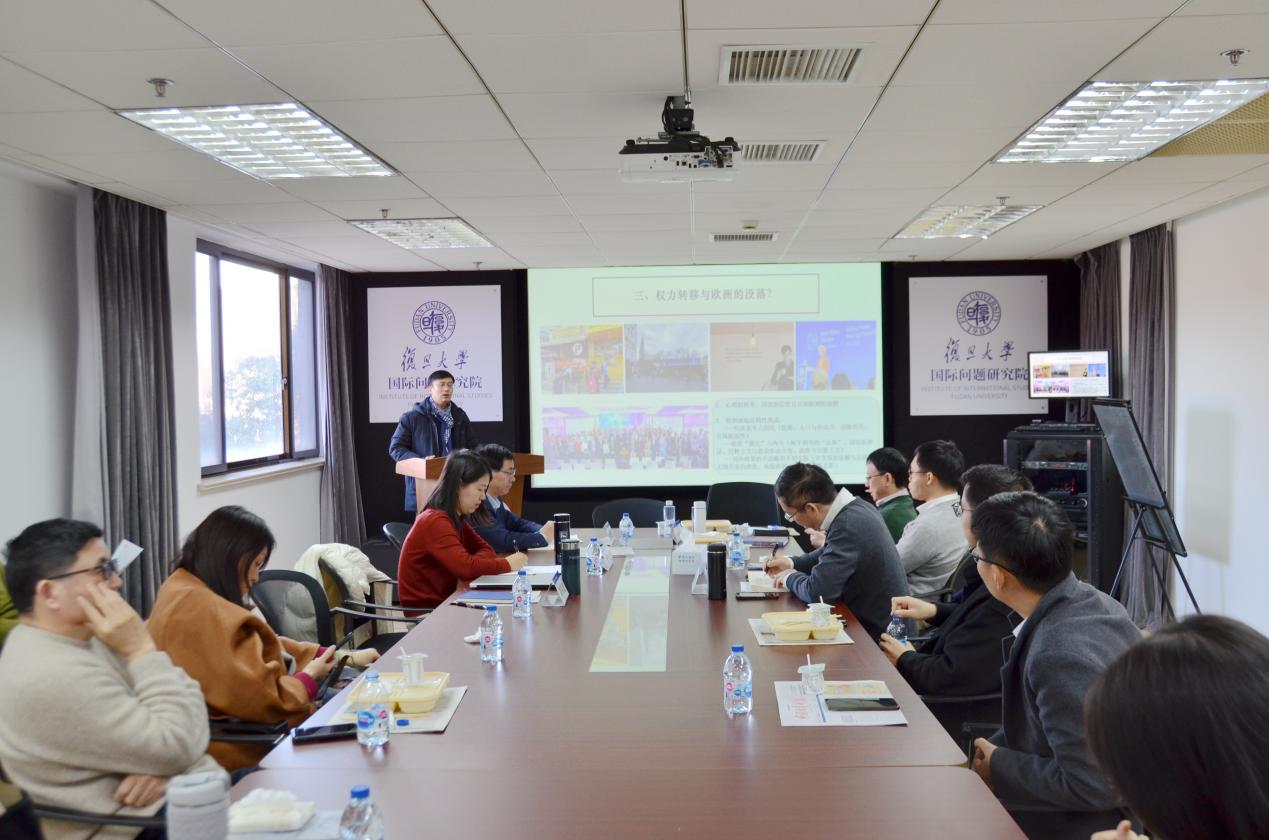
(Scene of the 87th YAWIS Fudan)
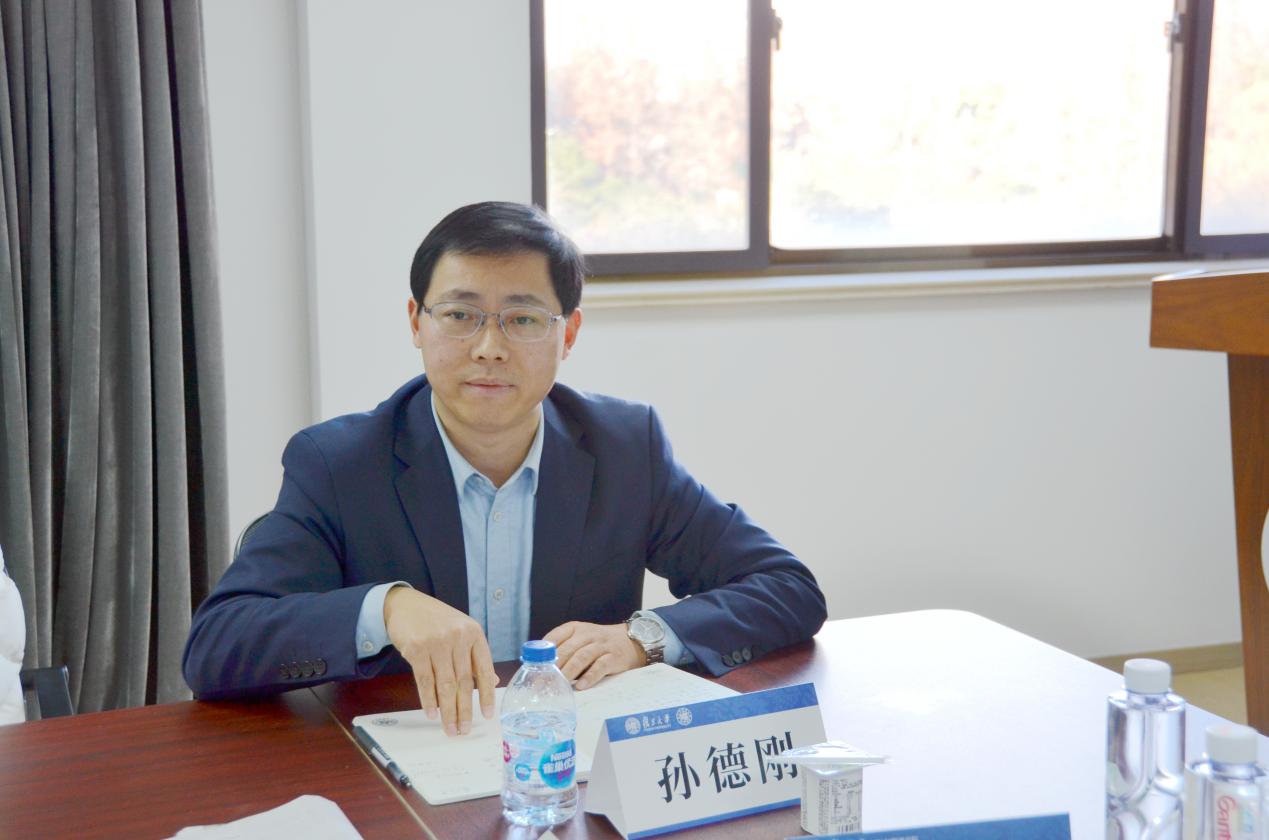
(Professor Sun Degang chairing the workshop)
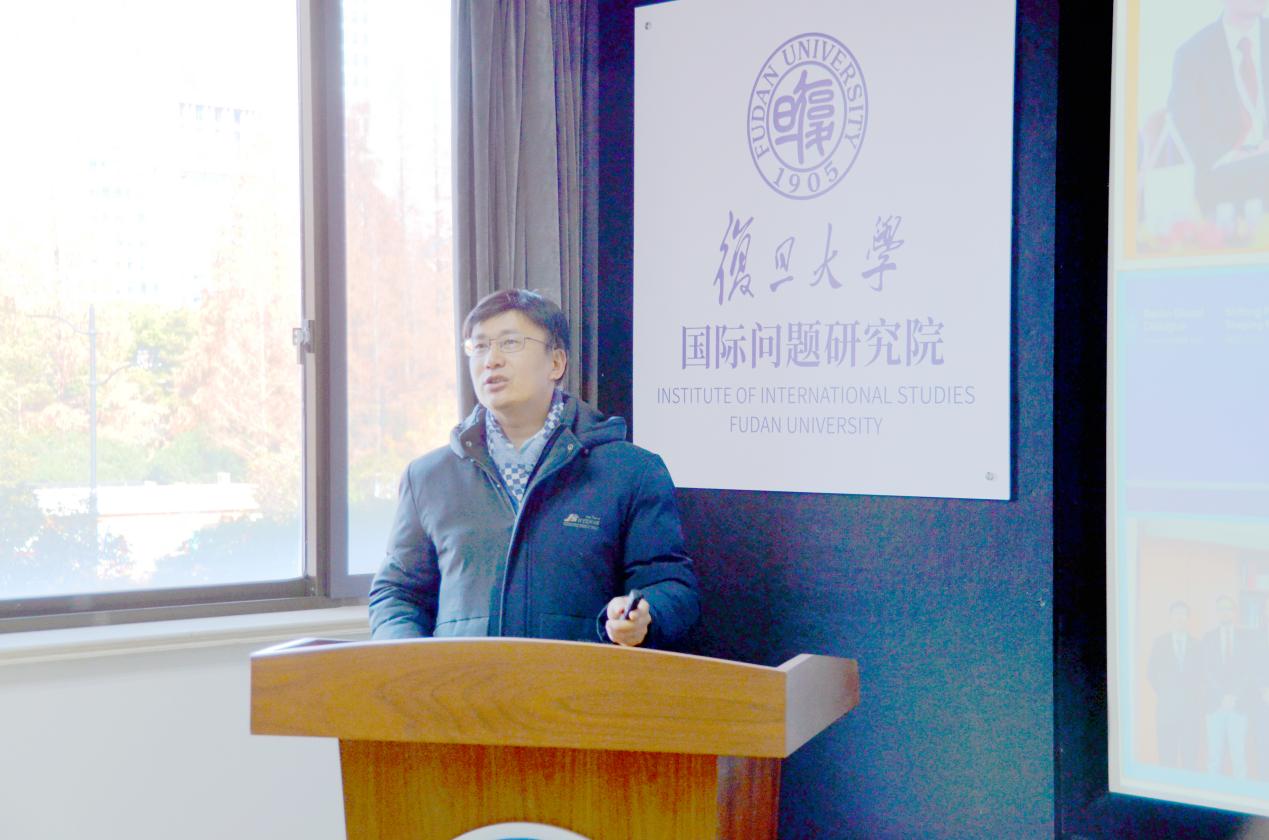
(Associate Professor Jian Junbo speaking at the workshop)
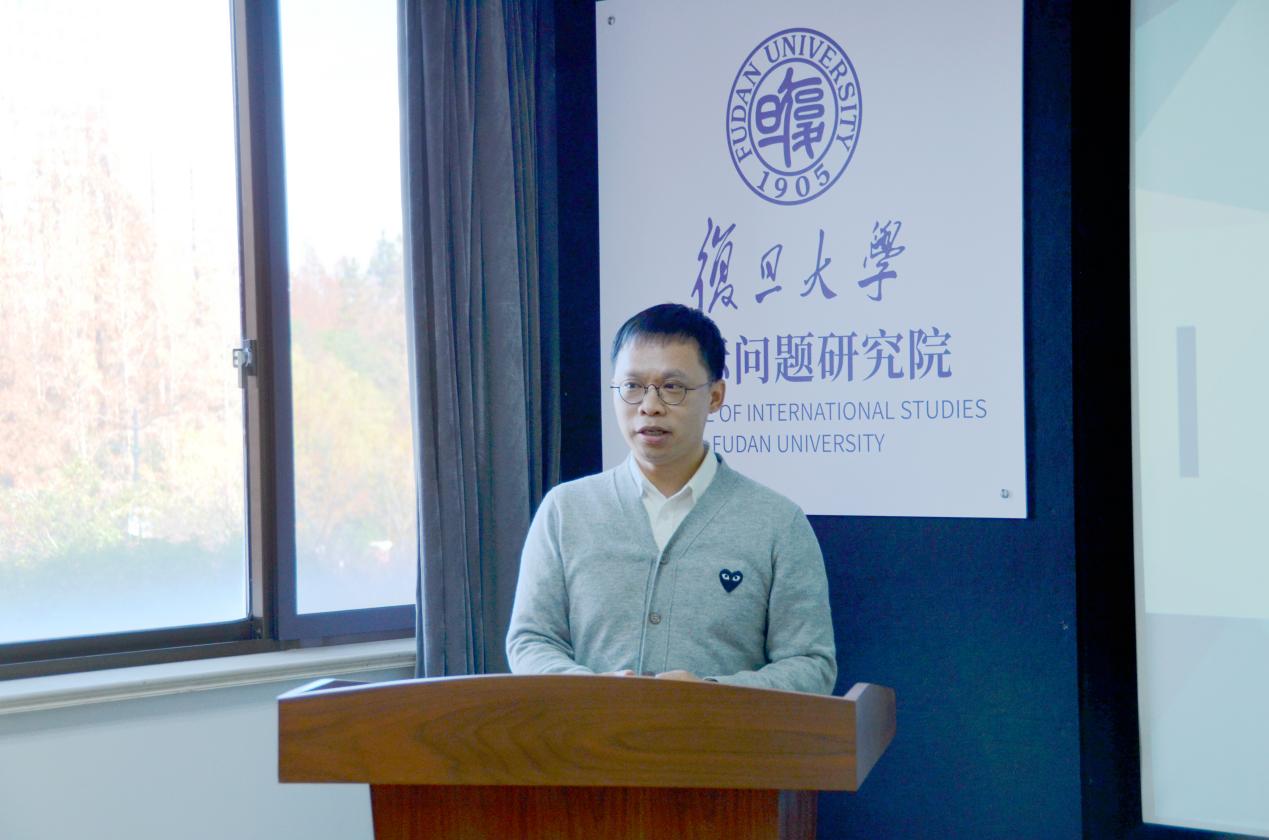
(Associate Research Fellow Yan Shaohua speaking at the workshop)
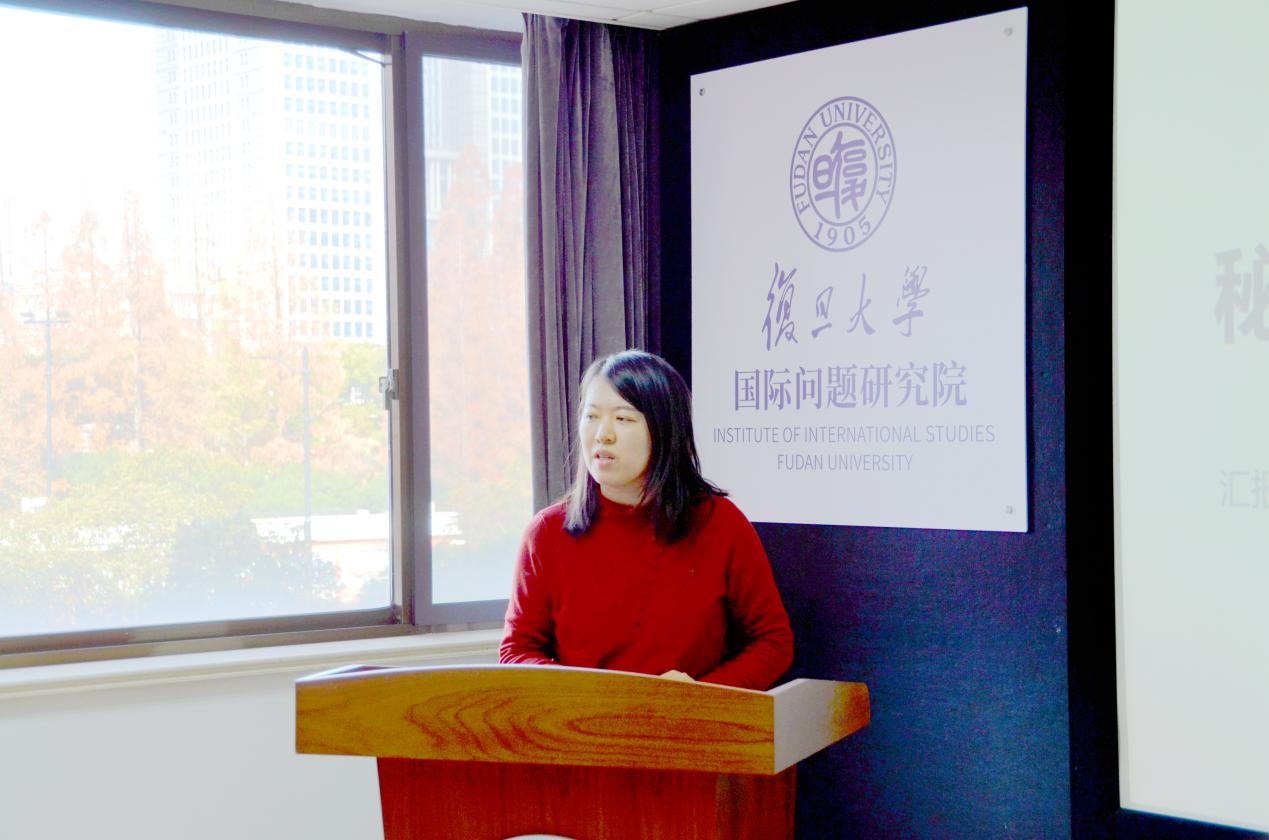
(Associate Professor Cao Ting speaking at the workshop)
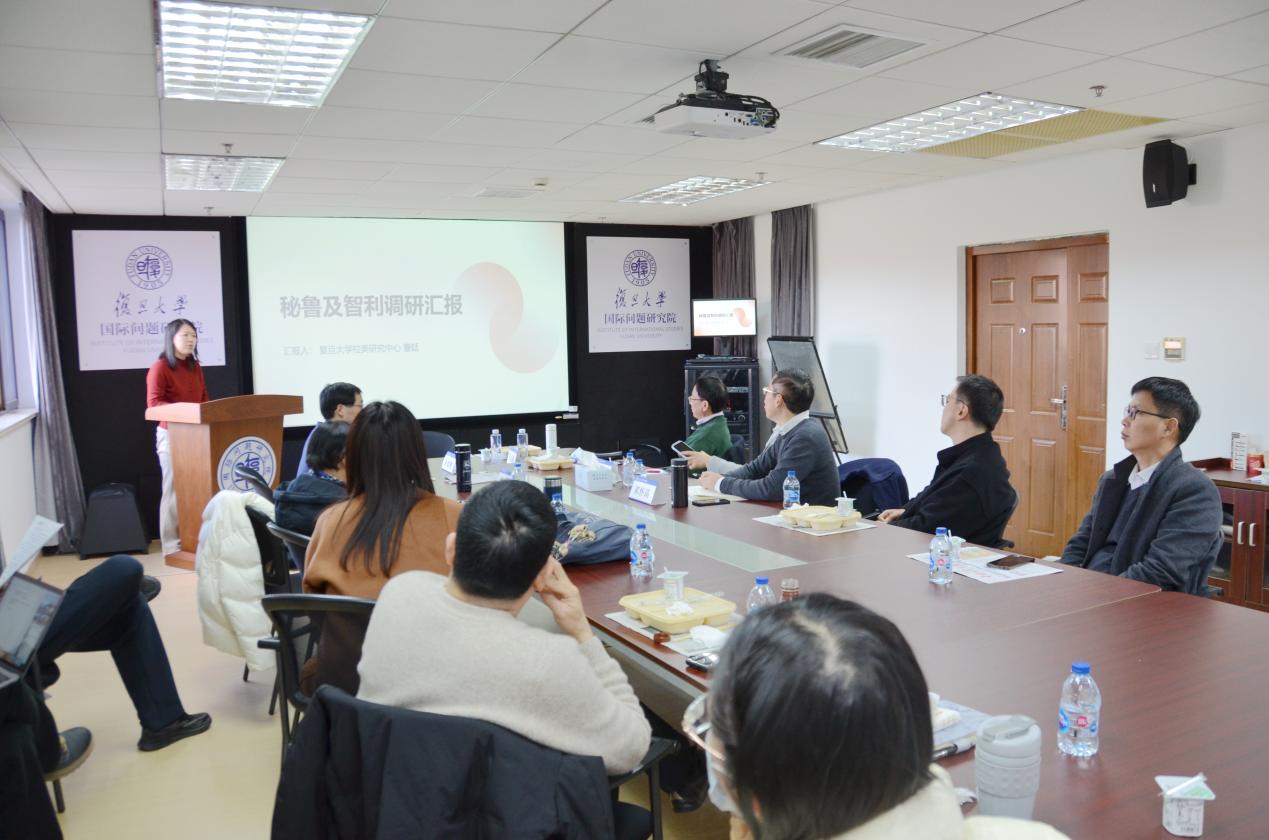
(Scene of the 87th YAWIS Fudan)
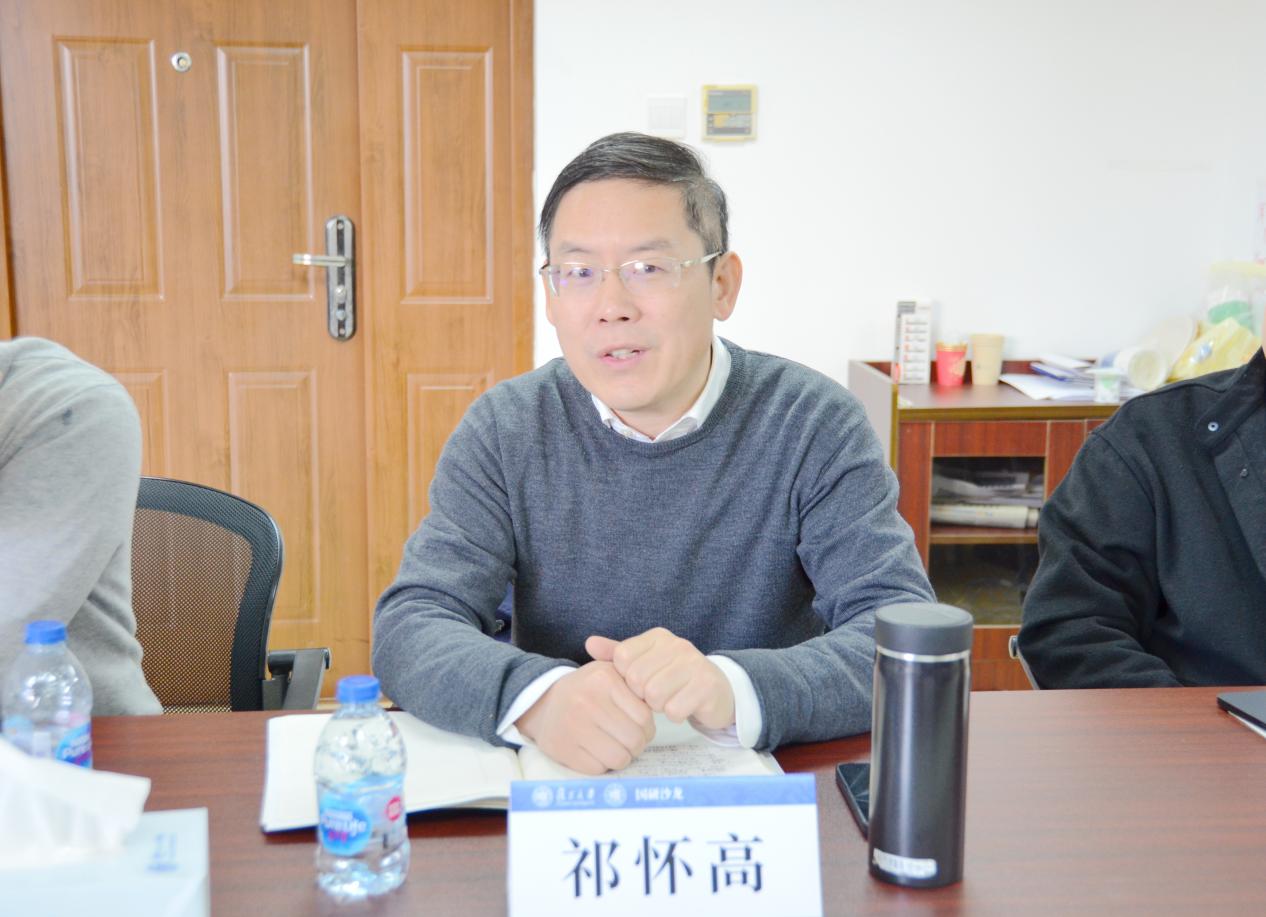
(Professor Qi Huaigao serving as discussant)