On March 13, 2026, the 88th Youth Academic Workshop on International Studies of Fudan University (YAWIS Fudan) was held in Room 324, Wenke Building, Handan Campus, Fudan University. Themed "Language, Diplomacy and Digital Africa: The International Relations Functionality of Kiswahili," The seminar was delivered by Professor Aldin K. Mutembei, Mwl. Julius Nyerere Professorial Chair in Kiswahili and Director of the Institute of Kiswahili Studies at the University of Dar es Salaam, Tanzania.
The seminar was chaired by Professor Lin Minwang, Vice Dean of the Institute of International Studies, Fudan University (IIS Fudan). Dr. Sun Yuzhou, Associate Professor from the Department of History, Fudan University, served as the discussant. Faculty and students from the IIS Fudan, the School of International Relations and Public Affairs (SIRPA Fudan), and Shanghai International Studies University (SISU) attended the event.
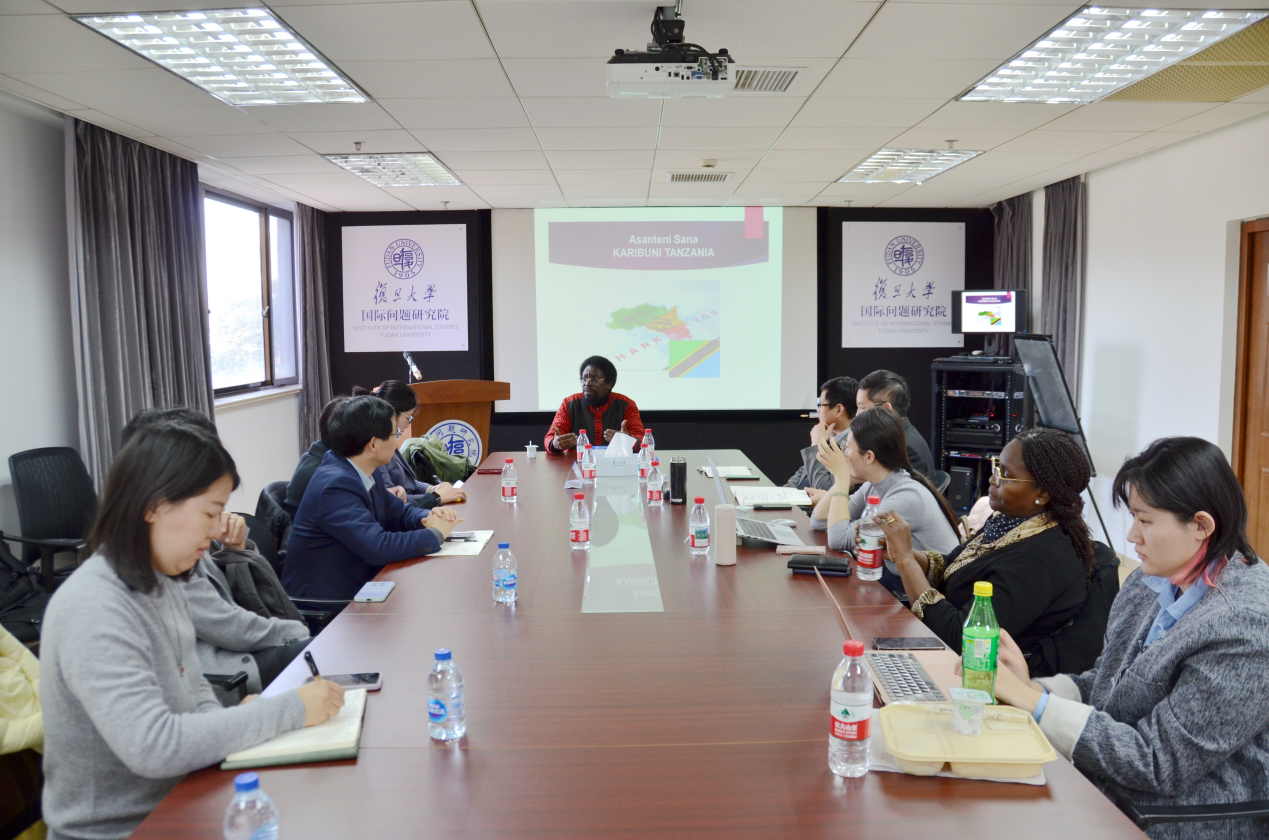
In his presentation, Professor Mutembei noted that language plays a fundamental role in international relations by shaping communication, identity formation, diplomatic practice, and cultural exchange. Historically, however, African indigenous languages have been marginalized due to the legacy of colonial languages — particularly English, French, and Portuguese — which have long dominated official and institutional use. As a regional and continental lingua franca, Kiswahili has opened new avenues for African languages to function as instruments of diplomacy, regional integration, and digital cooperation.
Professor Mutembei outlined five core functions of Kiswahili in African international relations:
First, Communicative function: As a working language of the East African Community and the African Union, Kiswahili links more than 200 million speakers across national borders.
Second, Integrative function: It advances regional integration, acting as a cross-cultural bridge among communities in Tanzania, Kenya, Uganda, Rwanda, and other African nations.
Third, Identity-forming function: It reinforces pan-African identity and stands as a powerful symbol of Africa’s decolonization.
Fourth, Economic function: It eases cross-border trade and economic cooperation, lowering transaction costs for businesses and communities.
Fifth, Diplomatic function: Using an indigenous African language in diplomatic settings underscores national sovereignty and cultural self-confidence.
Professor Mutembei emphasized that the rise of digital technology has given fresh impetus to the development of Kiswahili. By enabling multilingual communication, knowledge sharing, and linguistic understanding across African states, thereby strengthening all the above functions. He concluded that Kiswahili offers a model for how African languages can evolve and contribute to global diplomacy in the future.
In her commentary, Associate Professor Sun Yuzhou noted that Professor Mutembei's lecture offered a unique perspective on the intersection of African languages and international relations. Drawing on her own research, she discussed the position of African languages in historical narratives and colonial legacies, as well as new opportunities for their development in the digital age.
During the interactive session, attendees engaged in in-depth discussions on topics including the practical role of Kiswahili in Africa's integration process, the opportunities and challenges posed by digital technology for African language development, pathways for enhancing the status of African languages within international organizations, and prospects for Sino-African language and cultural exchange cooperation.
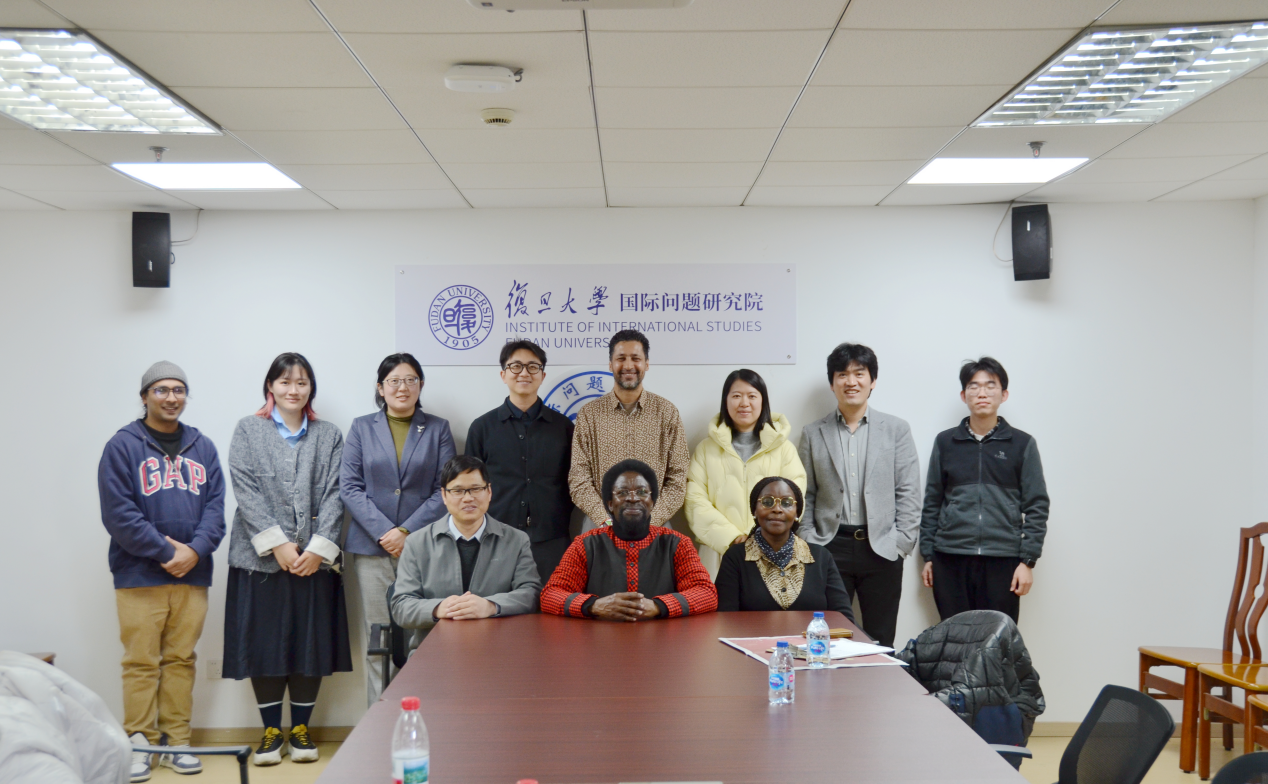
The seminar underscored the pivotal role of language in international relations. The case of Kiswahili demonstrates that African indigenous languages are emerging from the shadow of colonial history to become positive forces in regional integration, digital cooperation, and global diplomacy. As the African continent's position in the global landscape continues to rise, the function of African languages in international relations merits sustained attention.