On April 24, 2026, the 91st Youth Academic Workshop on International Studies of Fudan University (YAWIS Fudan) was held in Room 324, Wenke Building, Handan Campus, Fudan University. Themed "Current Trends in China-Indonesia Economic Relations," the seminar delved into the economic and trade interactions between the two nations against the backdrop of rising global uncertainty and intensifying great power competition. The seminar was delivered by Dr. Siwage Dharma Negara, Senior Fellow and Co-coordinator of the Indonesia Studies Programme at the ISEAS–Yusof Ishak Institute, Singapore.
The event was chaired by Professor Qi Huaigao, Vice Dean of the Institute of International Studies, Fudan University (IIS Fudan). Dr. Xue Song, Associate Professor at IIS Fudan, served as the discussant. Faculty and students from Fudan University and other institutions participated in the academic exchange.
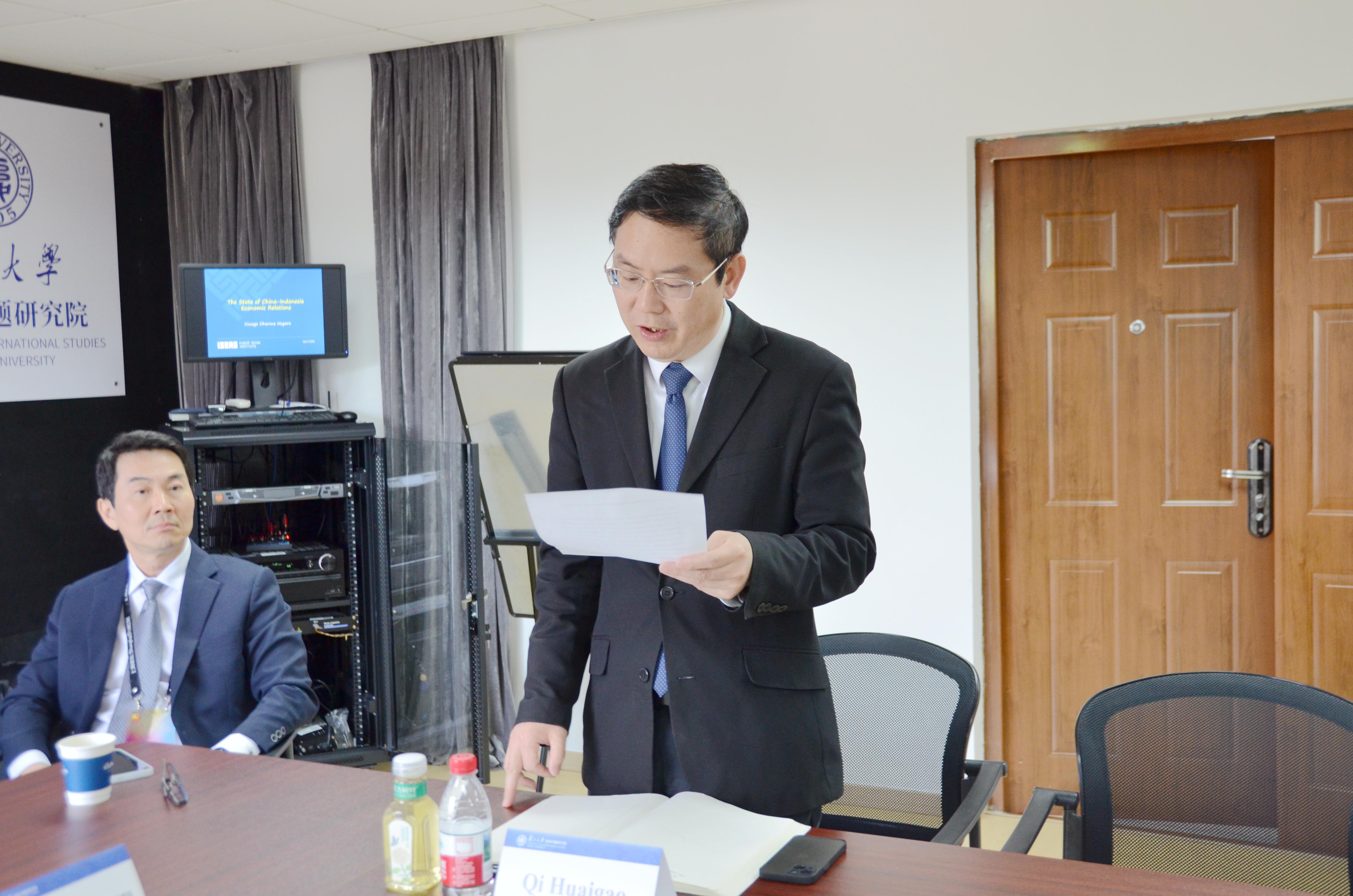
(Vice Dean Professor Qi Huaigao chairs the 91st YAWIS Fudan)
In his presentation, Dr. Negara first analyzed the fundamental characteristics of China-Indonesia economic relations from a structural perspective. He noted that China has been Indonesia’s largest trading partner and a key source of investment for several consecutive years. China accounts for nearly 30% of Indonesia’s total foreign trade, with its share in Indonesia’s import structure continuing to rise. Indonesia primarily exports resource-based commodities such as nickel ore and its processed products, coal, and palm oil to China, while importing machinery, electronic products, and intermediate goods.
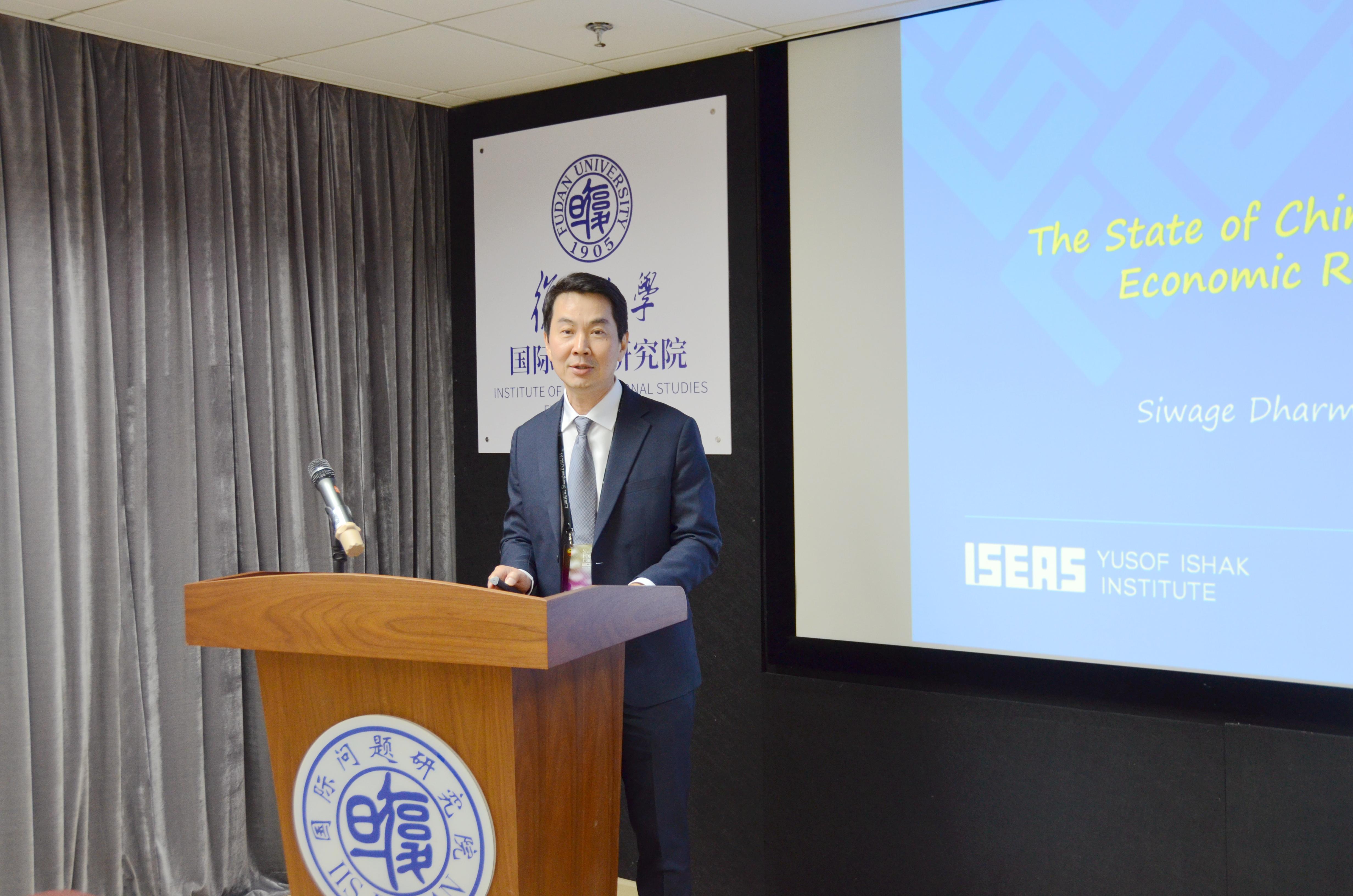
(The 91st YAWIS Fudan in progress)
Regarding investment, Dr. Negara emphasized that Chinese enterprises have played a vital role in the restructuring of Indonesia’s industrial chains, particularly dominant in the downstream processing of nickel resources. Furthermore, China’s involvement in infrastructure and the digital economy has transformed it from a mere trading partner into an important collaborator in Indonesia's industrial policy.
At the macro level, Dr. Negara pointed out that the economic relationship is transitioning from a stage of pragmatic cooperation to one of complex strategic embedding. While bilateral ties remain solid due to strong economic complementarity, the relationship faces new pressures from structural asymmetries, external strategic competition, and Indonesia’s domestic policy adjustments. Specifically, under the Prabowo administration, Indonesia has become more proactive in its foreign economic policy, seeking higher strategic autonomy by simultaneously strengthening ties with China, the United States, Japan and other major powers.
In her commentary, Dr. Xue Song noted that the seminar highlighted the structural asymmetry in trade and China’s role as a co-architect of Indonesia’s industrial policy. From the perspective of U.S.-China competition, she revealed the complexity of bilateral economic relations, noting that while China facilitates Indonesia's industrial upgrading, the core challenge remains enhancing Indonesia's own indigenous industrial capacity.
During the interactive session, attendees discussed topics such as Indonesia’s foreign policy, China-Indonesia people-to-people exchanges, and China’s soft power. Dr. Negara responded by further explaining the policy logic of Indonesia seeking development space within the environment of great power competition.
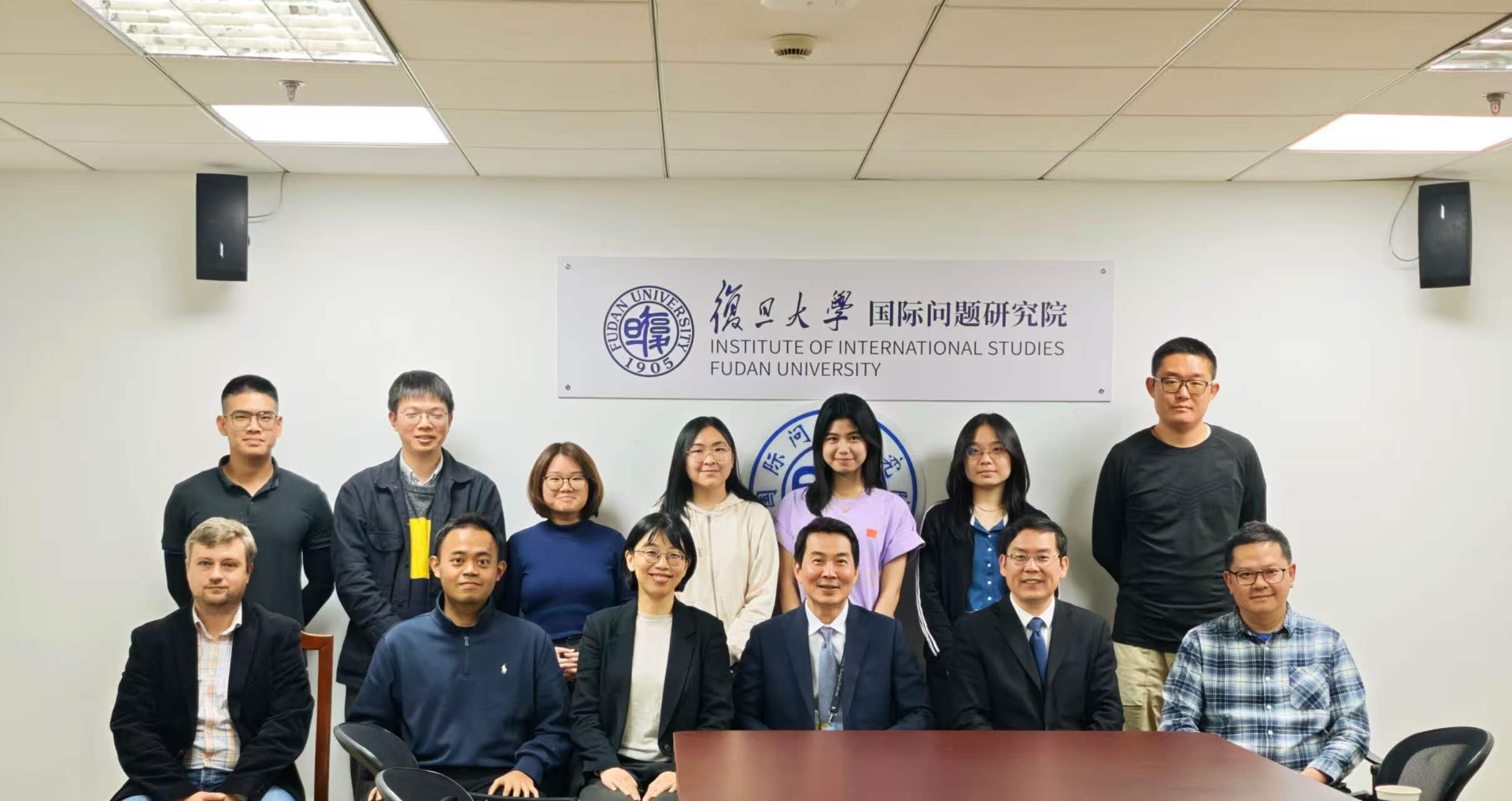
(Group photo of the 91st YAWIS Fudan)
In his concluding remarks, Professor Qi Huaigao stated that the event provided an insightful case study for understanding the interaction patterns between China and Southeast Asian nations. By focusing on economic relations, the discussion revealed the development opportunities and structural constraints faced by Global South countries within a multipolar landscape.